
As temperatures rise and project schedules accelerate, construction sites enter one of the busiest periods of the year.
New projects break ground, crews expand, subcontractors rotate in and out, and deadlines become more aggressive. While increased activity creates opportunities, it also introduces new safety challenges.
Many incidents occur not because workers lack training, but because familiar risks become easier to overlook when job sites get busy. Equipment inspections get rushed.
Site conditions change faster than expected. Communication gaps emerge between crews. Elevated work becomes routine rather than carefully planned.
The beginning of construction season is an ideal time to reset expectations and review the fundamentals, such as fall protection equipment, that keep workers safe.
Whether you’re managing a commercial build, infrastructure project, utility installation, or industrial construction site, these seven reminders can help strengthen safety performance before activity reaches its peak.
1. Inspect Fall Protection Equipment Before It Goes Back Into Service
One of the most important preseason safety tasks is conducting a thorough inspection of all fall protection equipment before crews begin working at height.
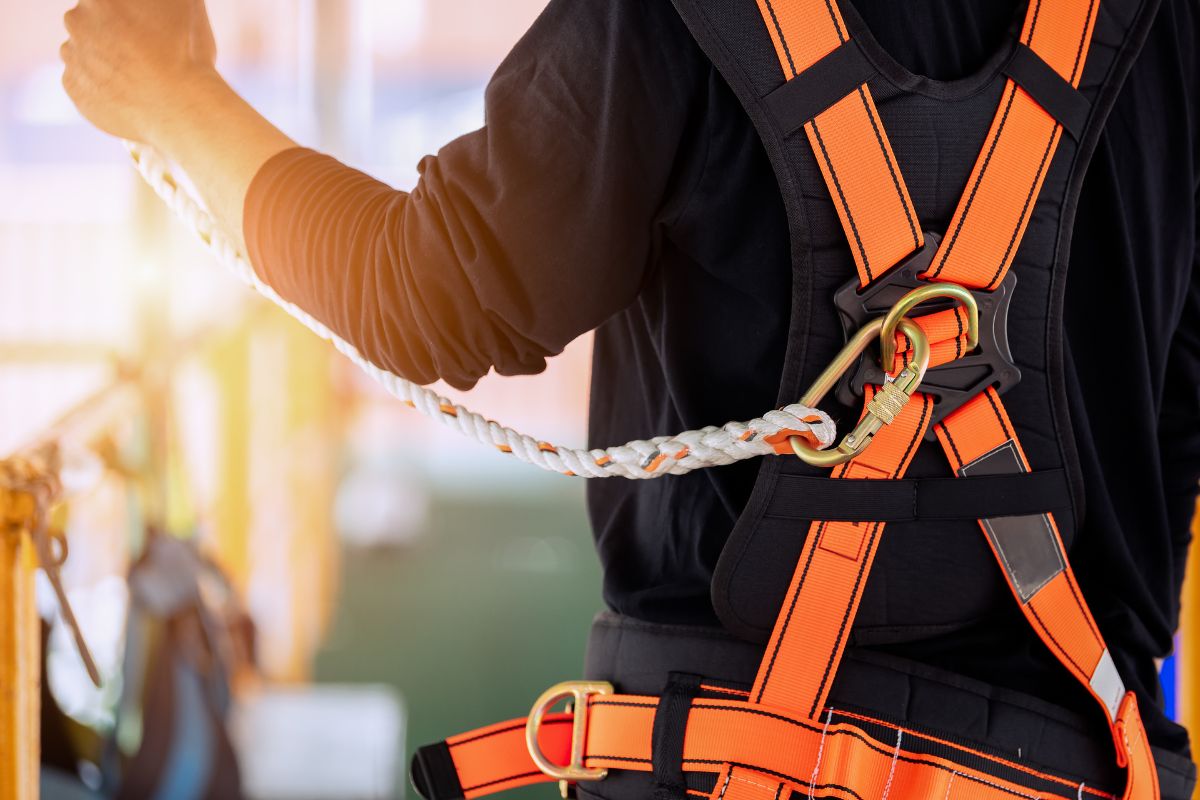
Equipment stored during slower periods may have experienced wear, environmental exposure, or damage that is not immediately visible.
Harnesses, self-retracting devices, connectors, anchors, and lanyards should all be examined according to manufacturer recommendations and company procedures.
During inspections, look for:
- Frayed webbing
- Cuts, burns, or abrasions
- Corrosion on metal components
- Missing labels or identification markings
- Distorted connectors
- Signs of impact loading
- Damaged stitching
It’s also important to verify that all equipment remains compliant with current OSHA and ANSI requirements and has not exceeded its service life.
A damaged component that goes unnoticed during a quick visual check can become a critical failure point when workers are exposed to fall hazards.
Construction season should never begin with assumptions about the condition of equipment.
2. Verify Every Worker Has the Correct Fall Protection Harness
Not all elevated work environments are the same. The harness that works well for one application may not be appropriate for another.
Before projects ramp up, safety managers should confirm that each worker has access to the proper fall protection harness for their specific job tasks.
Factors to consider include:
- Work positioning requirements
- Climbing applications
- Tower work
- Confined space entry
- Suspension considerations
- Tool carrying needs
- Comfort during extended wear
A poorly fitting harness can create both safety and productivity issues. Uncomfortable workers are more likely to adjust equipment improperly or seek shortcuts that compromise protection.
Preseason reviews should include:
- Proper sizing verification
- Buckle functionality checks
- D-ring inspections
- User fit testing
- Refresher training on adjustment procedures
Even experienced workers benefit from revisiting harness fit and usage requirements before returning to regular elevated work.
3. Reevaluate Your SRL Strategy for Current Jobsite Conditions
Jobsite conditions change constantly, and the fall protection system used last season may not be the best solution for current projects.
A common area that deserves review is the use of an SRL (self-retracting lifeline). These devices can help improve worker mobility while reducing free-fall distances, but only when they are selected and deployed correctly.
Questions to ask include:
- Has the work environment changed?
- Are workers operating at different heights?
- Have anchor locations changed?
- Are leading-edge applications involved?
- Will multiple workers share the same work area?
- Are swing-fall hazards present?
Many sites evolve, creating new fall-exposure scenarios that were not considered in previous projects.
Construction season is a good opportunity to reassess anchor locations, clearance requirements, rescue planning, and SRL compatibility with current work practices.
When work environments change, fall protection systems should evolve as well.
4. Update Site-Specific Safety Planning Before Work Begins
Every project has unique hazards. Relying solely on generic safety plans can leave crews exposed to risks that are specific to a particular site.
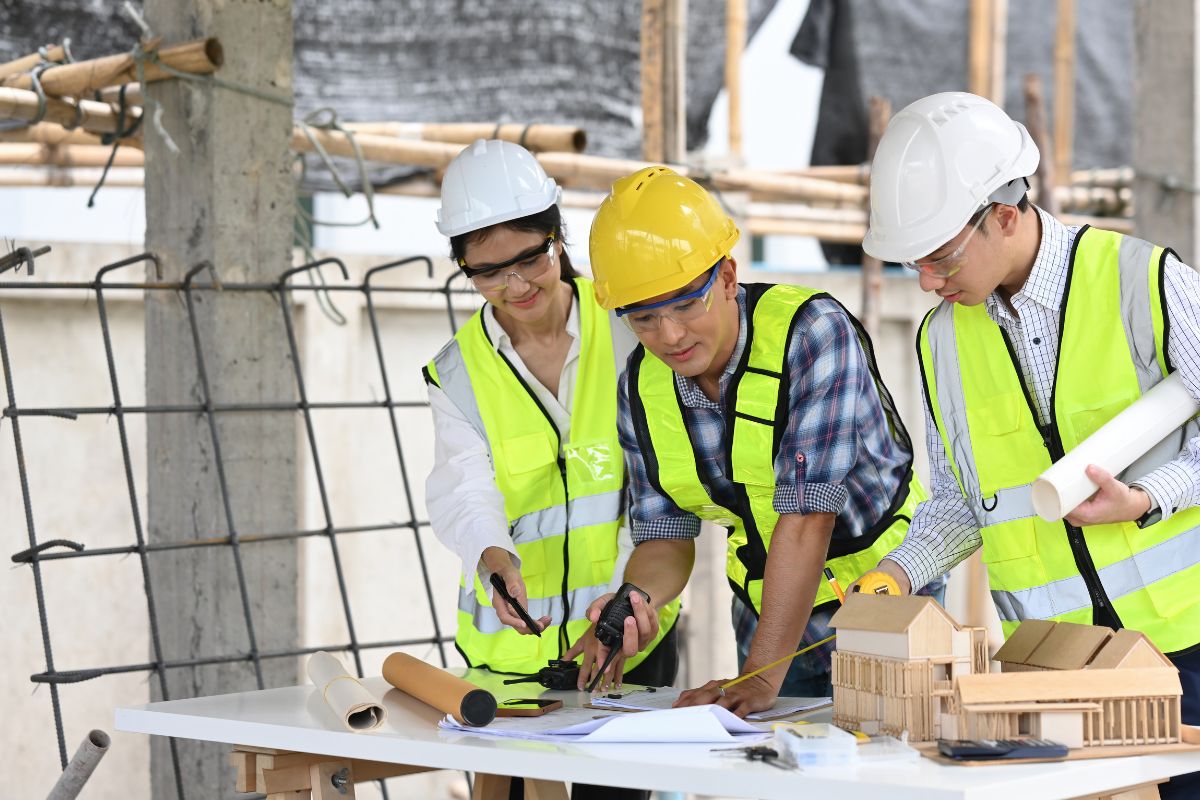
Before construction activity intensifies, review and update:
- Fall hazard assessments
- Rescue procedures
- Emergency response plans
- Access routes
- Material staging areas
- Equipment movement plans
- Weather-related contingencies
Site conditions often change rapidly during early project phases. Excavations appear, structural steel progresses, temporary access systems shift, and subcontractor activity increases.
Conducting a fresh review of work-at-height hazards ensures that everyone understands current conditions rather than relying on outdated assumptions.
Safety planning should be viewed as a living process, not a document that gets filed away after the project kickoff meeting.
5. Strengthen Communication Between Crews and Trades
As construction activity increases, so does the number of workers sharing the same space. Communication breakdowns become more likely when multiple trades operate simultaneously, especially when elevated work is involved.
Some common examples include:
- One crew removing guardrails without notifying others
- Changes to anchor points that are not communicated
- Equipment being relocated unexpectedly
- Work zones overlapping
- Temporary structures being modified
Daily safety meetings remain one of the most effective tools for preventing these issues. Brief but focused discussions should address:
- Planned work activities
- New hazards
- Weather concerns
- Access restrictions
- Fall protection requirements
- Emergency procedures
A few minutes of communication at the start of a shift can prevent hours of confusion and significantly reduce risk throughout the day.
6. Prepare for Heat Stress Before Temperatures Peak
Construction season often coincides with rising temperatures and increasing humidity.
While falls remain one of the industry’s leading causes of serious injury and fatality, heat-related illnesses can also create conditions that contribute to accidents at height.
Heat stress can affect:
- Judgment
- Balance
- Concentration
- Reaction time
- Physical endurance
These effects become particularly dangerous when workers are operating on elevated surfaces, climbing structures, or navigating complex work environments.
Proactive heat management strategies should include:
- Hydration programs
- Scheduled breaks
- Shade availability
- Acclimatization procedures
- Supervisor monitoring
- Worker education
Safety professionals should also recognize that workers returning after time away from the job may be less physically conditioned for prolonged exposure to hot environments.
Addressing heat stress early helps reduce both health risks and fall-related incidents.
7. Refresh Rescue Planning and Emergency Response Procedures
Fall protection systems are designed to arrest falls, but arresting a fall is only part of the equation. Every jobsite should have a practical, documented rescue plan that can be implemented quickly in the event of an incident.
Questions worth reviewing include:
- Who performs the rescue?
- What equipment is required?
- How quickly can responders reach the worker?
- Has the plan been practiced recently?
- Are all workers familiar with emergency procedures?
Unfortunately, rescue planning is sometimes overlooked because teams focus primarily on prevention.
However, suspension trauma can become a serious concern when a worker remains suspended after a fall. A rescue plan that exists only on paper may not be effective during a real emergency.
The beginning of construction season is an ideal time to conduct drills, verify equipment availability, and ensure all personnel understand their responsibilities.
Preparedness often determines the outcome of an emergency.
Make Construction Season Your Safest Season
Construction activity naturally increases during peak building months, but higher productivity should never come at the expense of worker safety.
The most successful safety programs don’t wait for incidents to reveal weaknesses. They identify vulnerabilities early, verify equipment readiness, reinforce training, and ensure crews are prepared for the challenges ahead.
By inspecting fall protection equipment, verifying proper selection of fall protection harnesses, reviewing SRL deployment strategies, updating safety plans, improving communication, preparing for heat exposure, and strengthening rescue procedures, organizations can enter the construction season with greater confidence and stronger protection for every worker on site.
When work at height becomes routine, safety fundamentals matter even more. Taking time now to review these seven reminders can help prevent incidents, protect crews, and keep projects moving safely throughout the busiest months of the year.
