
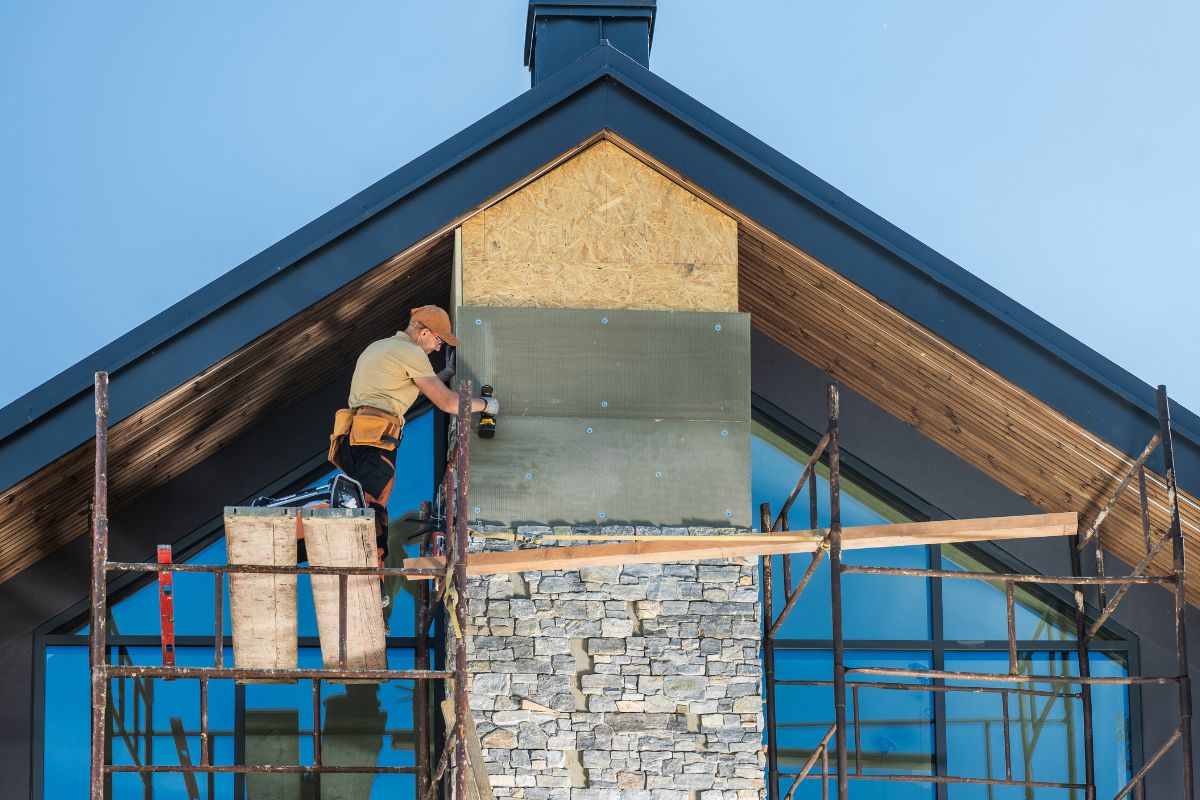
Stone can add texture, warmth, and a natural finish to a home. It works well on exterior walls, fireplaces, entryways, columns, garden walls, and outdoor living areas.
However, when homeowners start researching stone materials, they often see two common terms: stone veneer and stone cladding.
These terms are sometimes used in a similar way, but they are not always exactly the same. Both can be used to cover surfaces and create the look of stone, but they may differ in structure, thickness, installation method, purpose, and material type.
Understanding the difference can help homeowners choose the right option for their project. The best choice depends on where the material will be used, the look they want, the condition of the surface, and the overall budget.
What Is Stone Veneer?
Stone veneer is a thin layer of stone or stone-like material used to cover a wall or surface. It gives the appearance of natural stone without using full-depth stone blocks.
Because it is thinner and lighter than traditional stone, it is often easier to use in renovation and design projects.
Stone veneer can be made from natural stone cut into thin pieces, or it can be manufactured stone designed to look like real stone.
Both types are used to create a textured and natural-looking surface. Homeowners comparing stone options for exterior or interior updates can also review ixlbuild.com, canyonstonecanada.com/natural-stone-veneer, to see different styles, colors, and finishes before choosing the right material.
It is commonly used on exterior walls, fireplaces, porch columns, chimneys, kitchen backsplashes, garden walls, and accent areas. It can help a home look more finished without requiring a full structural stone wall.
What Is Stone Cladding?
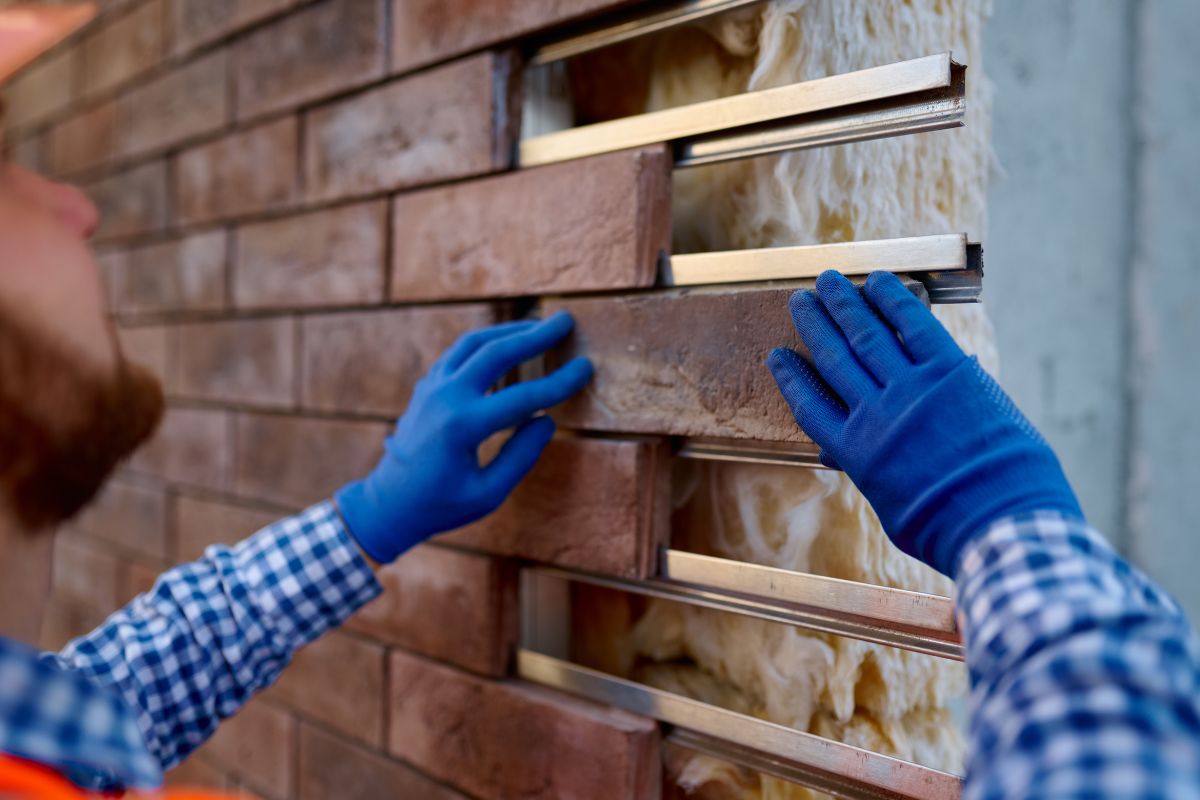
Stone cladding is a broader term. It usually refers to any stone layer or stone-like material applied to the surface of a building or wall. The main purpose of cladding is to cover, protect, or decorate the surface.
Stone cladding can include natural stone panels, manufactured stone, stone tiles, stacked stone, or veneer-style products.
In many cases, stone veneer can be considered a type of stone cladding because it is also applied over a surface.
The term “cladding” is often used more in architecture, construction, and exterior design. It can refer to larger wall systems or surface coverings used on both residential and commercial buildings.
The Main Difference Between Stone Veneer and Stone Cladding
The main difference is that stone veneer is usually a specific type of thin stone covering, while stone cladding is a broader category for stone surface coverings.
Stone veneer usually focuses on creating the look of a stone wall with lighter and thinner materials. Stone cladding can include veneer, but it may also include thicker panels, stone tiles, or other types of stone wall systems.
In simple words, all stone veneer can be used as cladding, but not all stone cladding is stone veneer.
For homeowners, the difference may not always be obvious because both can look similar after installation.
The more important thing is to understand the product’s thickness, weight, material, installation needs, and where it can be used.
Difference in Thickness and Weight
Stone veneer is usually thinner and lighter than full stone materials. This makes it useful for home updates where heavy construction is not needed. It can be added to selected areas without changing the full structure of the house.
Stone cladding can be light or heavy depending on the product. Some cladding systems use thin panels, while others use thicker stone pieces.
Because of this, some types of stone cladding may need stronger support, special installation systems, or more surface preparation.
Weight matters because it affects where the stone can be installed. A fireplace wall, porch column, or exterior accent may not need the same material as a large building facade. Before choosing any product, it is important to check if the surface can support the material.
Difference in Installation
Stone veneer is often installed using mortar, adhesive, lath, or a prepared wall system, depending on the surface and product type. Exterior installation may also require weather barriers, flashing, drainage planning, and proper sealing.
Stone cladding installation depends on the product. Some cladding panels are installed with mechanical fasteners, clips, rails, mortar, or adhesives.
Larger cladding systems may need more technical planning, especially on commercial buildings or large exterior walls.
For smaller residential projects, stone veneer is often the more practical choice. For larger architectural surfaces, panel-style stone cladding may sometimes be preferred.
The right installation method is very important. Poor installation can lead to moisture problems, cracking, uneven surfaces, or loose pieces over time.
Difference in Appearance
Both stone veneer and stone cladding can create a natural stone look, but the final appearance depends on the product.
Stone veneer often has a more detailed, textured, and layered look. It can be made to look rustic, traditional, modern, or natural. It works well when homeowners want warmth and character.
Stone cladding can also look natural, but some cladding products have a cleaner and more structured appearance.
Panel-style cladding may create straighter lines and a more modern finish. This can work well for contemporary homes, commercial buildings, and clean exterior designs.
The style should match the home. A rustic cottage may look better with irregular stone veneer, while a modern home may look better with clean stacked stone or panel-style cladding.
Where Stone Veneer Works Best
Stone veneer works well in areas where homeowners want texture and visual interest without heavy construction.
It is often used for exterior accent walls, front entrances, porch columns, fireplace surrounds, chimneys, kitchen backsplashes, basement feature walls, outdoor kitchens, and garden walls.
It is especially useful when the goal is to refresh part of the home instead of covering the entire exterior. A small amount of stone veneer can make a strong difference when placed in the right area.
For example, adding stone veneer around an entryway can make the front of the home feel more defined. Adding it to a fireplace can make the room feel warmer and more complete.
Where Stone Cladding Works Best
Stone cladding is often used when a larger surface needs a stone finish. It can work well for exterior facades, commercial walls, feature walls, retaining walls, and modern architectural designs.
It may be the better option when the design requires larger panels, cleaner lines, or a more uniform finish. Some cladding systems are made for large-scale use and may be better suited for bigger exterior projects.
Stone cladding can also be useful when the goal is both design and surface protection. On exterior walls, the right cladding system can help create a durable outer layer when installed properly.
Which Option Is Better for Your Home?
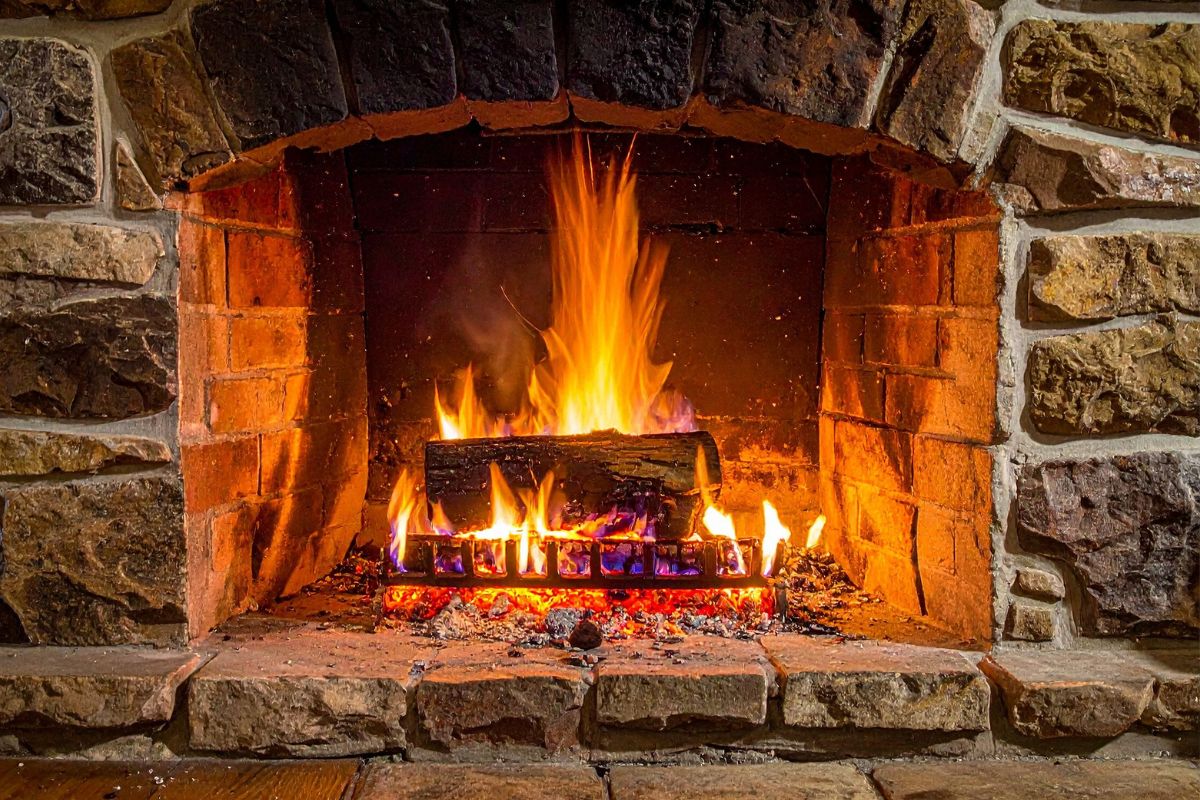
The better option depends on the project. If a homeowner wants to update a fireplace, entryway, porch column, or small exterior section, stone veneer may be the easier and more practical choice. It gives the look of stone without requiring full-depth stone construction.
If the project involves covering a larger exterior wall or creating a more modern panel-style look, stone cladding may be worth considering. It can create a clean and architectural finish, especially when used across bigger surfaces.
Budget is also important. Stone veneer is often used for smaller, focused projects, which can help manage costs. Some cladding systems may cost more because of materials, installation methods, or wall preparation needs.
Before deciding, homeowners should think about the size of the area, the style of the home, the weight of the material, and how much maintenance the surface may need.
Consider Moisture and Weather
For exterior projects, moisture protection is one of the most important factors. Both stone veneer and stone cladding need proper installation to protect the wall behind the surface.
Water can get behind stone if the system is not planned correctly. This can cause damage over time, especially around windows, doors, rooflines, and lower wall sections.
A proper exterior installation may include a weather barrier, flashing, drainage space, mortar, sealant, and other support materials. The exact needs depend on the product and the surface.
This is why it is important to work with someone who understands stone installation, especially for outdoor projects.
Think About Maintenance
Both stone veneer and stone cladding need some care over time. Exterior stone surfaces may collect dirt, dust, moss, or stains. Interior stone can collect dust, especially if the surface has a rough texture.
Some materials may need sealing, while others may not. Cleaning should be done carefully because harsh chemicals or strong pressure washing can damage certain stone surfaces.
Before choosing a product, homeowners should ask about maintenance needs. A very rough texture may look beautiful, but it may also collect more dust and dirt. A smoother panel may be easier to clean, but it may not create the same natural look.
Final Thoughts
Stone veneer and stone cladding are closely related, but they are not always the same.
Stone veneer is usually a thinner stone covering used to create the appearance of a stone wall. Stone cladding is a broader term that can include veneer, panels, tiles, and other stone surface systems.
For many homeowners, stone veneer is a practical choice for fireplaces, entryways, columns, and smaller exterior updates.
Stone cladding may be better for larger walls, modern facades, or projects that need a more structured surface covering.
The best choice depends on the style of the home, the size of the project, the surface condition, and the design goals.
When chosen and installed carefully, both options can add natural texture, character, and long-lasting visual appeal to the home.
