
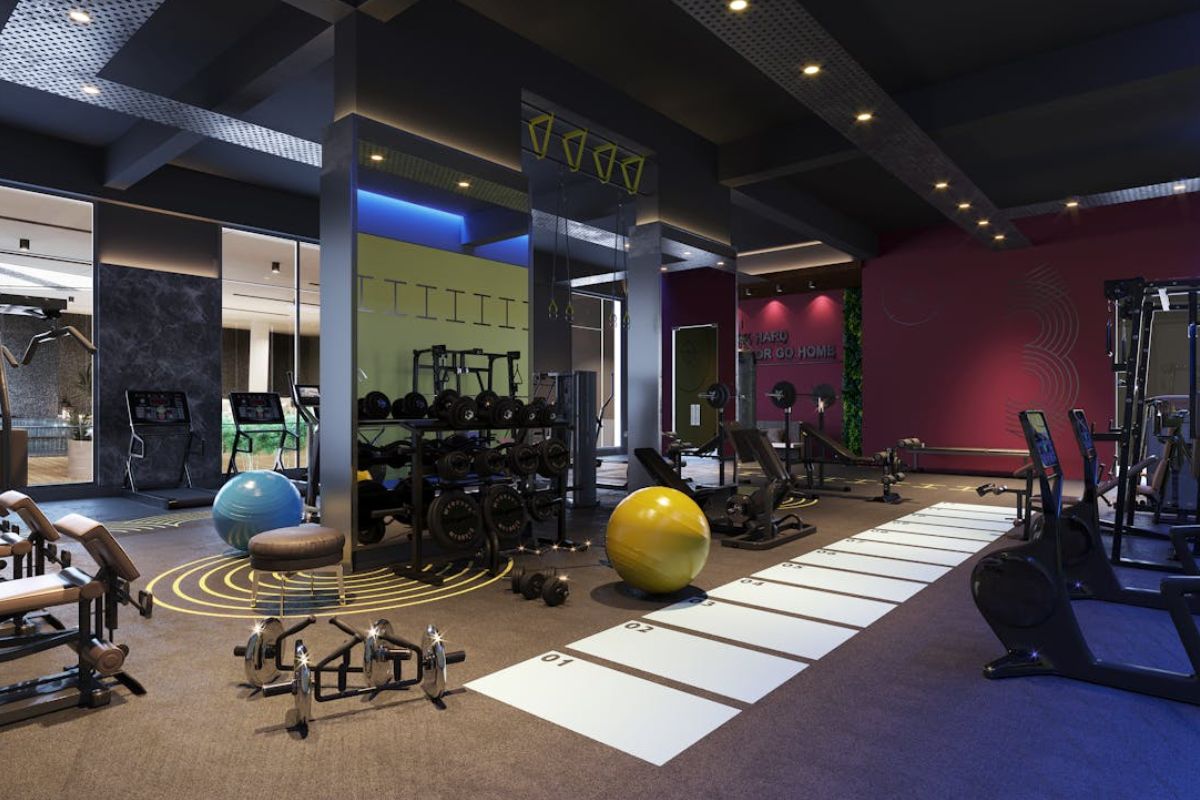
Home gyms have become a common feature in residential properties over the past several years.
Whether you’re building out a full setup with equipment from a retailer like wanting to Shop Gym Gear at Fitness Avenue Canada, or simply carving out a corner of the garage with free weights and a mat, the question homeowners often ask is whether this addition translates to real value — both in daily life and at resale.
The answer depends on a few factors, but in most cases, a well-executed home gym does deliver meaningful returns.
How a Home Gym Affects Resale Value
A home gym can positively influence a home’s perceived value, but it rarely adds dollar-for-dollar return the way a kitchen renovation or bathroom upgrade might.
Buyers in the market for a home with fitness amenities will view it as a strong selling point. For others, it may be neutral — something they can convert to a bedroom, office, or storage space without much effort.
What matters most is how the gym is built. A professionally finished space with rubber flooring, good ventilation, and proper electrical work reads as a functional room, not just a hobby corner.
That distinction affects how a real estate agent lists the property and how buyers perceive the square footage.
In markets where health-conscious buyers are common — urban suburbs, higher-income neighborhoods, areas with strong fitness culture — a home gym can give a listing an edge over comparable properties without one.

What You Save on Gym Memberships
One of the clearest ways a home gym adds value is through long-term savings.
The average gym membership costs somewhere between $400 and $1,000 per year, depending on the facility and location. For a household with two adults, that figure doubles. Over five to ten years, the cost savings can help recover a substantial portion of the initial setup expense.
Beyond the monthly fee, there are indirect savings to consider:
- Travel time and fuel costs associated with commuting to a gym
- Childcare costs that may come with gym visits
- Impulse purchases at gyms — protein shakes, gear, add-on classes
When you total these costs over several years, building a home gym starts to look like a financially sound decision for households that exercise consistently.
How Setup Costs Compare to Long-Term Benefits
The initial cost of a home gym varies widely. A basic setup — a set of dumbbells, a pull-up bar, and a yoga mat — can be assembled for a few hundred dollars.
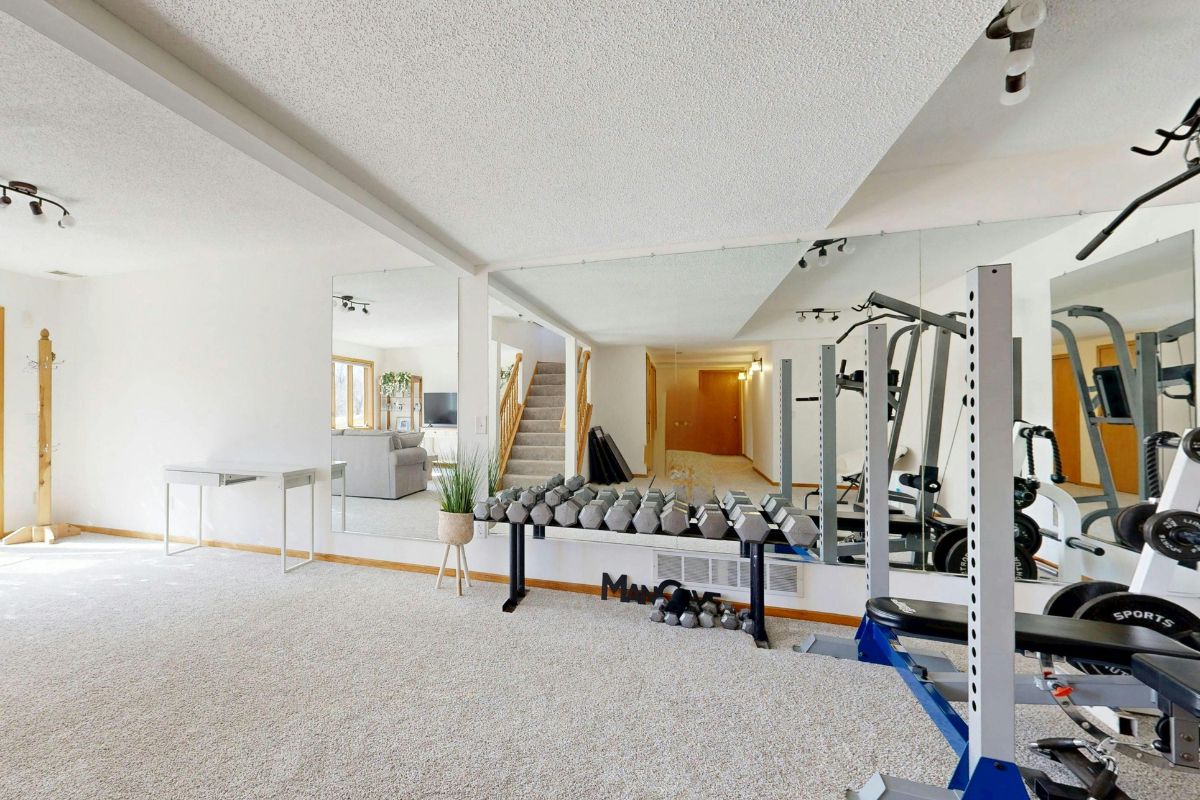
A fully equipped space with a cable machine, squat rack, treadmill, and mirrors can run $5,000 to $15,000 or more.
The key variable is usage. A home gym that gets used four or five times a week delivers compounding value over time. One that collects dust is simply an expensive storage unit.
Before investing, it helps to be honest about your existing workout habits and whether the convenience of a home gym would realistically increase them.
For homeowners who already pay for a gym membership and use it regularly, converting a spare room into a gym is usually worth the investment within three to five years.
What Buyers Look for in a Home Gym Space
Not every home gym appeals equally to buyers. The features that tend to carry the most weight include:
- Dedicated space — a room used exclusively for fitness, rather than a shared multipurpose room
- Flooring — rubber or foam flooring that protects the subfloor and signals intentional design
- Ventilation and lighting — adequate airflow and bright lighting make the space functional year-round
- Electrical capacity — outlets and circuits that can handle cardio equipment without tripping breakers
Buyers who are not interested in a gym will generally not penalize a home for having one, as long as the space can be repurposed easily.
The Bottom Line
A home gym adds value on two levels: financial and practical. On the financial side, it can increase buyer interest and reduce long-term spending on memberships and related costs. On the practical side, it removes barriers to exercise, which has its own quality-of-life value.
Like most home improvements, the return depends on how well it is executed and who is buying. For the right buyer, a home gym is a genuine selling point. For most homeowners who use it regularly, the investment pays for itself over time.
