
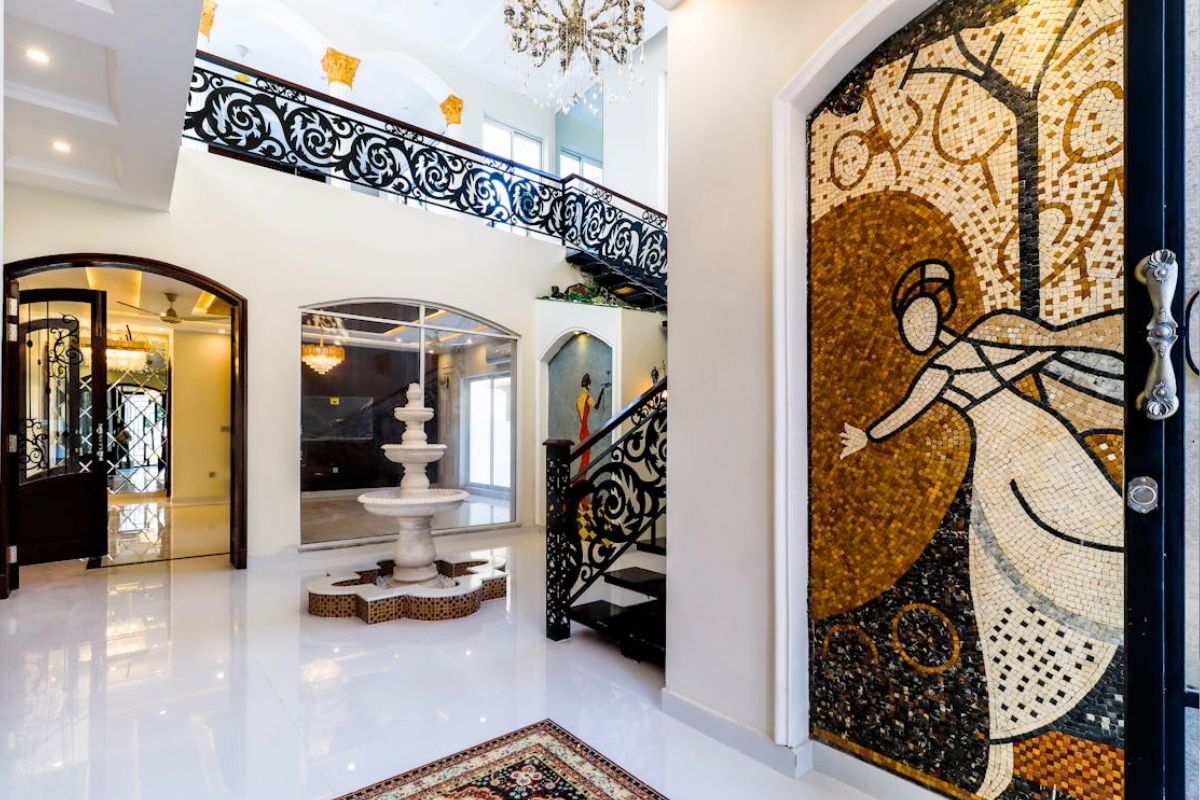
In the world of high-end real estate, the difference between a property that lingers on the market and one that sparks a bidding war often comes down to the details.
When you are learning how to market luxury homes, you quickly realize that you aren’t just selling a structure made of brick and mortar.
You are selling a lifestyle, a dream, and a sense of status. At this level of the market, every square inch of the property must whisper quality.
Traditional marketing tactics often fall short because premium buyers seek features beyond basic specifications.
They expect the best finishes, the most prestigious locations, and a seamless buying process.
To justify a price tag that sits significantly above the neighborhood average, a seller must curate an environment that feels irreplaceable.
This guide explores the nuanced art of high-end presentation and the subtle psychological triggers that win over the world’s most discerning buyers.
How to Market Luxury Homes with Sensory First Impressions
The moment a potential buyer steps through the front door, their brain begins to calculate the home’s value based on their senses.
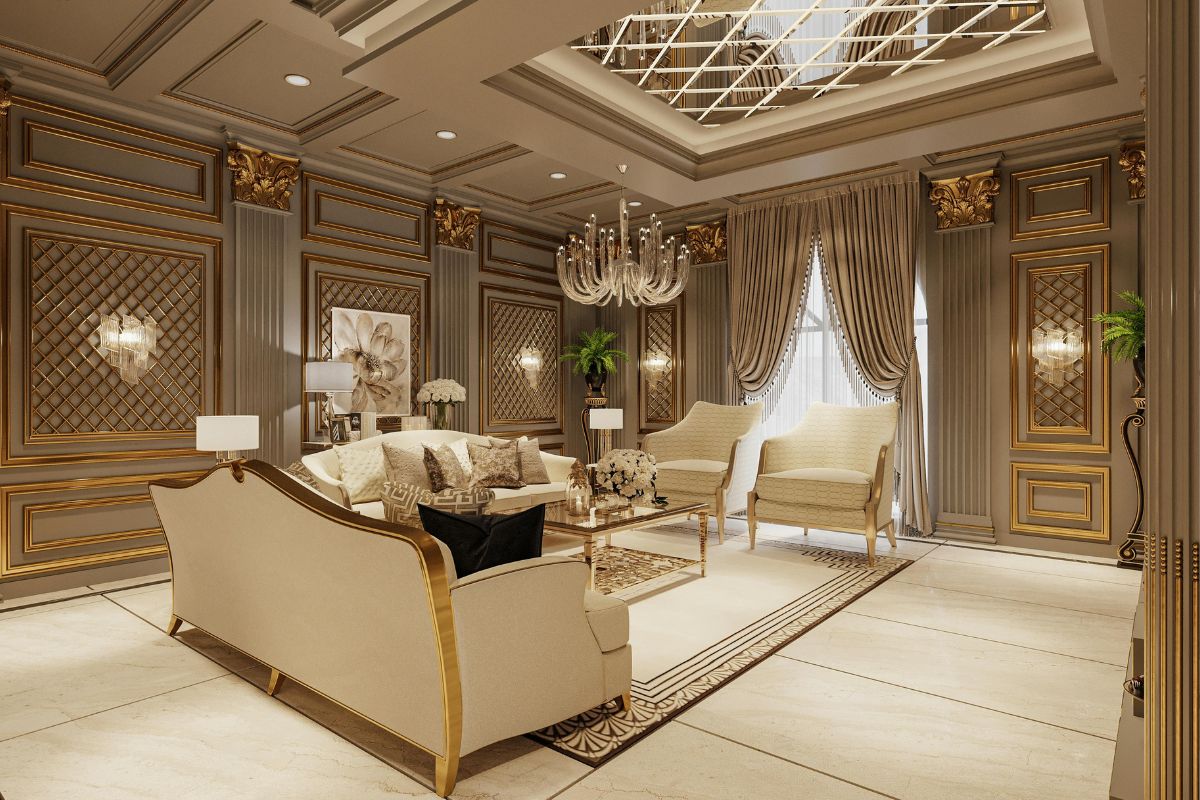
If you want to master marketing luxury homes, you must look beyond the visual aspect.
While professional photography and drone footage are essential for the initial listing, the physical walkthrough is where the “emotional buy” happens.
A home that smells like fresh paint or old dust will immediately lose value in a buyer’s mind, regardless of the architectural pedigree.
Creating a sensory-rich environment is a fundamental part of a successful luxury listing. Here is how you can engage every sense:
- Scent Branding and Air Quality. Use subtle, high-end scents like white tea, sandalwood, or cedar. Avoid heavy artificial sprays; instead, use medical-grade air purifiers to ensure the air feels crisp and clean, which signals a well-maintained HVAC system.
- Acoustical Perfection and Soundscapes. Background noise can be a deal-breaker. Incorporate a high-quality, integrated sound system that plays soft, ambient music. Soundproofing in theaters or bedrooms demonstrates that the home is a private sanctuary.
- Tactile Quality and Materials. Buyers will touch the surfaces. High-honed marble, reclaimed wood, and custom metal hardware provide a heavy, expensive feel. If the doorknobs feel lightweight or flimsy, the buyer’s subconscious will question the integrity of the whole build.
- Lighting and Visual Warmth. Use a layered lighting plan that includes natural light, accent lighting for art, and warm-toned LED strips in cabinetry. Bright, harsh lighting makes a space feel clinical, whereas soft, intentional lighting makes it feel like a home.
Selling Luxury Real Estate: The Psychology of Premium Pricing
The process of selling luxury real estate is more about psychology than it is about math. For a standard home, buyers look at comparable sales and square footage.
However, for a mansion or a penthouse, the price is often tied to the “X-factor” – the elements that cannot be found elsewhere.
To achieve a record-breaking sale, you must create a perception of scarcity. When a home feels unique, the price becomes less about logic and more about the desire for ownership.
When selling luxury real estate, the marketing narrative should focus on exclusivity. Here are the psychological triggers that drive high-end sales:
- The Halo Effect of Brand Names. Mentioning high-end brands like Sub-Zero, Wolf, or Gaggenau in the kitchen immediately elevates the property. Buyers associate these brands with durability and prestige, which helps justify the higher asking price.
- Historical or Architectural Pedigree. If a famous architect designed the home or has a unique history, emphasize it. This gives the buyer something to talk about when entertaining, adding social value to the purchase.
- The Concept of the “Turnkey” Lifestyle. Luxury buyers are often time-poor. A home that is fully furnished, styled, and ready for move-in tomorrow is significantly more valuable than one that requires a year of renovations.
- Privacy and Security Features. At the top end of the market, security is a primary concern. Highlighting biometric locks, gated perimeters, and advanced surveillance systems provides peace of mind that justifies a premium.
Understanding Luxury Home Buyers: What Justifies a Higher Bid
To be effective in the high-end market, you must understand the mindset of luxury home buyers.
These individuals are often world travelers who have stayed in the finest hotels on the planet.
They are comparing your listing not just to the house down the street, but to their experience at a five-star resort in the Maldives or a villa in Tuscany.
They are looking for “intelligent luxury” – features that improve their daily life through convenience and comfort. Here is what modern luxury home buyers are actually looking for:
- Smart Home Automation and Integration. A truly premium home should be “intelligent.” This means integrated systems that control temperature, shades, security, and pool settings from a single interface, making home management effortless.
- Wellness and Spa Facilities. The demand for home wellness has skyrocketed. Infrared saunas, steam showers, cold plunge pools, and dedicated meditation rooms turn a home into a personal health retreat.
- Outdoor Entertaining and Continuity. The line between indoors and outdoors should be blurred. Features like outdoor kitchens with pizza ovens, infinity pools, and fire pits are essential for the high-end entertaining lifestyle.
- Custom Storage and “Hidden” Rooms. Beyond walk-in closets, buyers want specialized storage. Think temperature-controlled wine cellars, humidor rooms, or hidden “panic” rooms that provide an extra layer of utility.
House Selling Tips: Creating a Flawless Viewing Experience
Moving into the operational phase, the home’s actual showing is a performance. Standard house-selling tips often suggest decluttering and neutral colors, but in the luxury sector, you need to go further. You are curating a gallery experience.
The home should be staged with high-end art, designer furniture, and accessories that suggest a life of abundance.
The goal is to make the buyer feel like a guest at an exclusive party, not a customer at an open house.
Consider these advanced house-selling tips to ensure the property stands out:
- Professional Staging with Original Art. Do not use generic department store art. Renting original pieces from a local gallery adds a level of sophistication and “soul” that standard staging lacks.
- Attention to the “Hidden” Areas. A luxury buyer will open the drawers, the pantry, and the garage. Ensure these areas are perfectly organized with uniform containers and high-end finishes. It shows that no detail has been overlooked.
- The “White Glove” Arrival. The driveway should be power-washed, the brass polished, and the landscaping immaculate. The first 30 seconds of the arrival determine the buyer’s mood for the rest of the tour.
- Removing Personal Distractions. While the home should feel lived-in, it should not feel like your home. Remove family photos and personalized items so the buyer can mentally move their own life into the space.
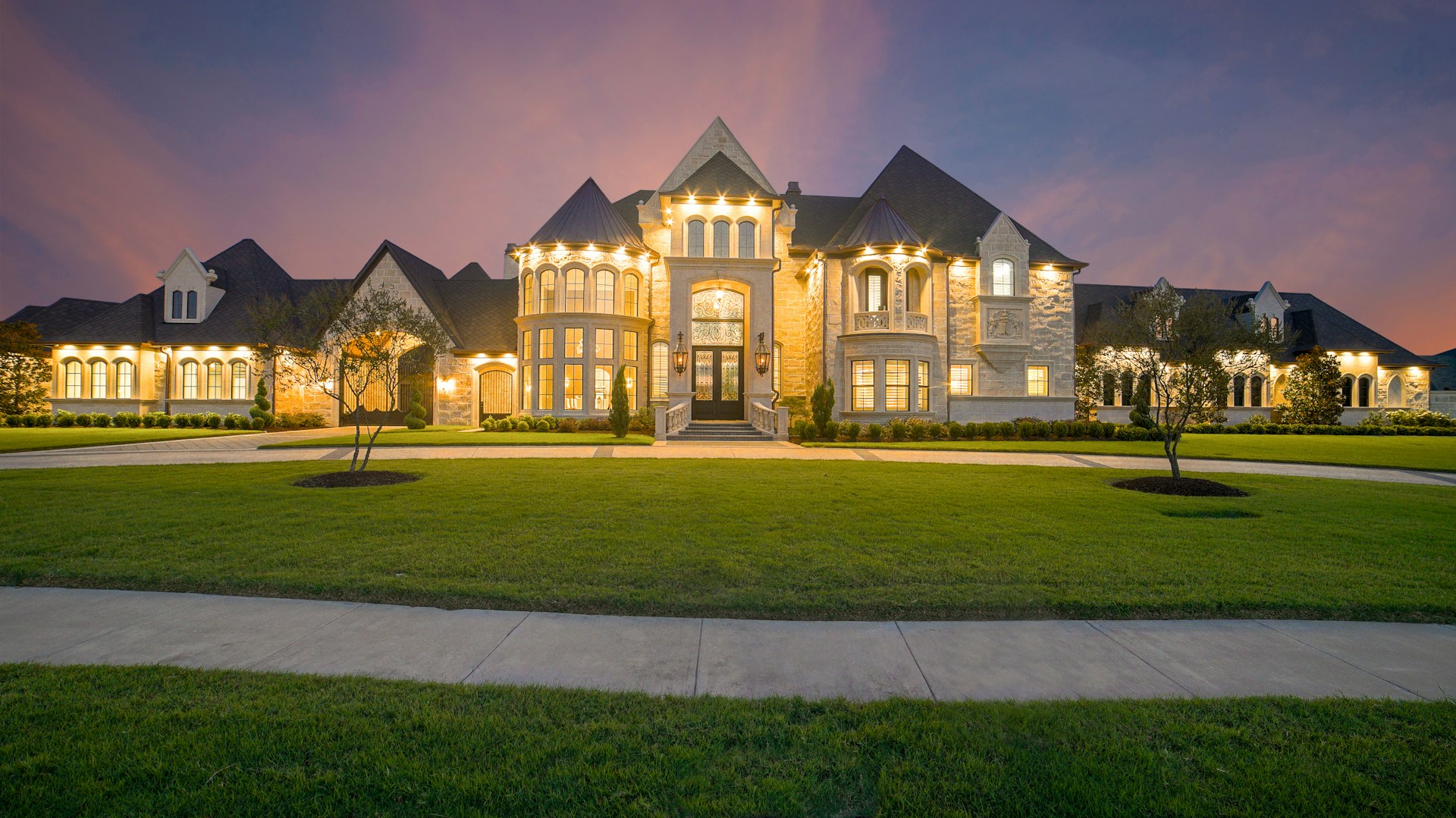
Real Estate Seller Tips: The Role of Fresh Flowers in Home Staging
Finally, we come to one of the most effective real estate seller tips: using botanicals. While furniture and paint provide structure, plants and flowers provide life.
In a luxury home, a bunch of grocery-store daisies won’t cut it. You need large-scale, architectural floral arrangements that match the scale of the rooms.
Fresh flowers provide a natural scent, a pop of color, and a sense of “freshness” that makes a home feel vibrant and cared for.
When following these real estate seller tips, think about how florals can change the energy of a room:
- Scaling the Arrangements to the Room. In a foyer with 20-foot ceilings, you need a massive, statement-making arrangement. It draws the eye upward and emphasizes the volume of the space.
- Using Monochrome Color Palettes. For a modern, high-end look, stick with monochromatic flowers – white orchids, red roses, or green foliage. Specialty retailers like Rosaholics offer premium single-variety bouquets that look far more intentional and sophisticated than a mixed grocery-store arrangement. It looks more intentional and sophisticated than a multi-colored bouquet.
- Longevity and Maintenance. If the home is on the market for several weeks, ensure the flowers are replaced every few days. Wilted flowers are a signal of neglect and can subconsciously hurt the perceived value of the home.
- Strategic Placement for Focus. Place flowers in areas you want the buyer to notice. A beautiful arrangement on a kitchen island or next to a primary soaking tub draws the buyer’s attention to these high-value features.
Learning how to market luxury homes is a continuous process of refinement. Every property has a story, and your job is to tell it through every medium possible – from the digital listing to the fresh scent of the foyer.
When you focus on the sensory experience, the buyer’s psychology, and the subtle details that signal quality, you move beyond the realm of standard sales.
Success in selling luxury real estate is about more than just finding a buyer; it’s about finding the right buyer who appreciates the curated lifestyle you’ve presented.
By following these house-selling tips and focusing on what truly matters to luxury home buyers, you can justify a premium price and close deals with confidence.
Remember, in a world of abundance, it is the thoughtful, small details that leave the biggest impression.
Use these real estate seller tips to transform your next listing into an irresistible masterpiece.
