

Your roof does more than just keep the rain out—it protects your home, belongings, and peace of mind. Like any other part of your house, it needs regular care to stay strong and effective.
A healthy roof can last for decades if it’s properly maintained, while neglecting it can lead to costly repairs or early replacement.
Whether you’re a new homeowner or a seasoned one, knowing how to care for your roof year-round can save you time and stress.
Understanding Your Roof’s Needs
Every roof is different. The type of roofing material, your local weather, and even nearby trees can affect how often maintenance is needed. Asphalt shingles, for example, require different care than tile or metal roofing.
Inspecting your roof at least twice a year—ideally in the spring and fall—helps catch small problems before they grow. If you live in an area with heavy storms, you may want to check more often.
Look for cracked shingles, loose flashing, and signs of wear near vents or chimneys. A quick inspection now can prevent major water damage later.
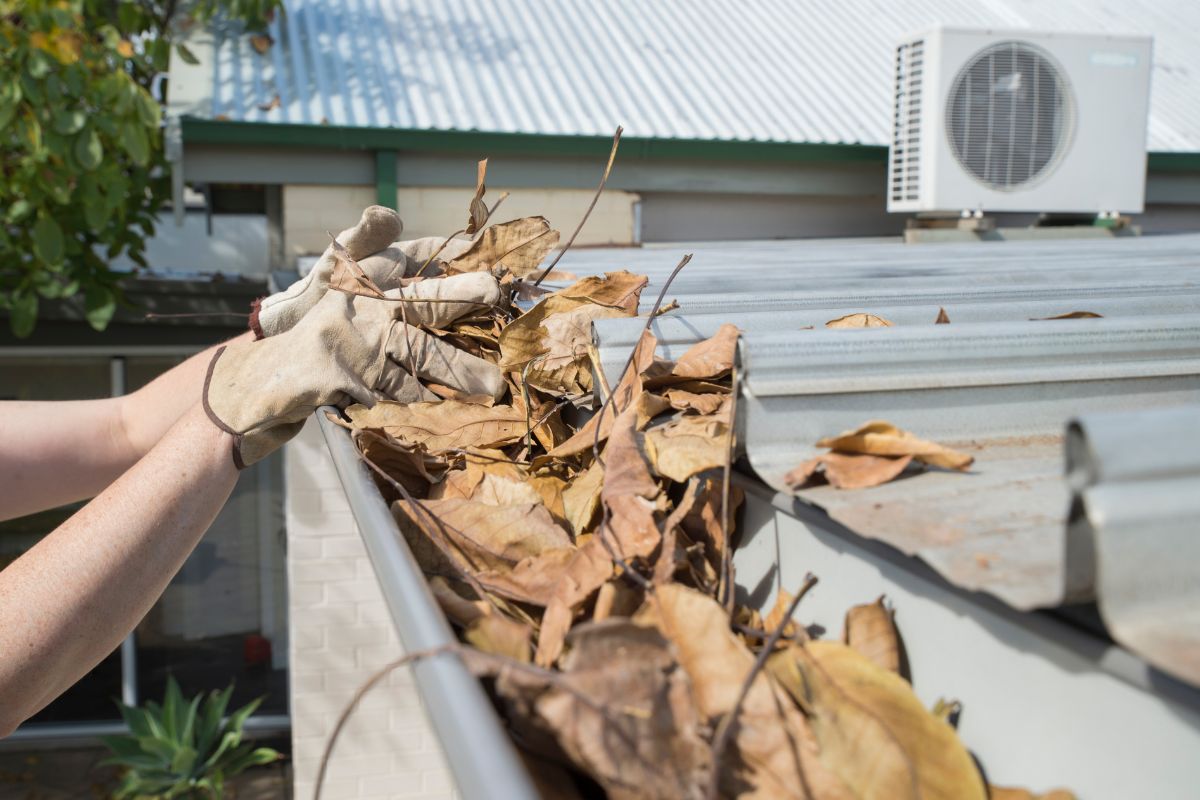
Keep Gutters Clean and Clear
One of the simplest ways to extend your roof’s life is by maintaining your gutters. Clogged gutters stop water from draining properly, leading to pooling around the roof’s edge. Over time, this standing water can seep under shingles and cause leaks or rot.
Cleaning your gutters at least twice a year is usually enough, but more often if your yard has trees that shed leaves or needles.
While you’re at it, check the downspouts to ensure water flows away from your home’s foundation. If climbing ladders isn’t your thing, many homeowners hire a professional once or twice a year for a thorough cleaning.
Trim Nearby Trees and Branches
If overhanging branches or an old shed are posing a risk to your roof’s integrity, consider hiring professional demolition services to safely remove them and prevent future damage.
Branches that rub against shingles can wear them down, while falling limbs during a storm can cause serious damage. Trimming trees not only keeps your roof safe but also helps reduce debris buildup in gutters and valleys.
Keep branches at least six feet away from the roof. This prevents animals like squirrels or raccoons from jumping onto your house and causing further damage.
Watch for Signs of Moisture or Mold
Moisture is the number one enemy of roofing materials. It can lead to mold growth, sagging, and interior ceiling stains.
After heavy rain or snow, take a quick look inside your attic for damp insulation or musty odors—both are signs that water is sneaking in.
If you spot any dark streaks or patches on your ceiling, act quickly. These can indicate leaks that might not be visible from the outside.
Calling a local roofing company for an inspection can help you pinpoint and fix the problem before it spreads. A professional can also recommend waterproofing or ventilation improvements to prevent future leaks.
Don’t Forget About Roof Ventilation
Proper ventilation is often overlooked but plays a huge role in roof health.
Without good airflow, heat and moisture can build up in your attic, weakening shingles and creating the perfect environment for mold. In summer, trapped heat can even make your cooling system work harder.
Make sure vents are clear and functioning properly. You should feel a light airflow if you stand near an attic vent.
If you’re unsure, a roofing professional can check and suggest upgrades to improve circulation and prevent long-term damage.
Handle Repairs Quickly
Small issues don’t stay small for long when it comes to roofs. A single cracked shingle or loose flashing can turn into a leak that damages insulation, drywall, and even your home’s structure. Whenever you notice a problem, schedule repairs as soon as possible.
DIY fixes may work for minor problems, but professional repair ensures that the root cause is addressed. A trained eye can catch hidden damage that might not be visible to you. Quick action prevents bigger bills later.
Check Roof Flashing and Seals
Flashing is the thin metal material that seals joints and edges on your roof, such as around chimneys or skylights.
Over time, flashing can loosen or corrode, allowing water to sneak through. During your biannual roof checks, inspect these areas closely.
If you notice gaps or rust, resealing or replacing flashing is an easy way to prevent water from entering. A small tube of roof sealant can go a long way in keeping your home watertight.

Prepare for Each Season
Each season brings its own roofing challenges. In winter, snow and ice can build up, leading to ice dams that trap water under shingles.
Using a roof rake after heavy snowfall can help. In summer, UV rays can dry and crack roofing materials, so checking for brittle shingles during the fall inspection is key.
In the spring, remove debris and make sure gutters are ready for rain. Fall is the perfect time to reinforce weak spots before colder weather arrives. Consistent care throughout the year prevents seasonal damage from adding up.
Consider Preventive Coatings or Treatments
If your roof is aging but still in good shape, a protective coating can extend its lifespan.
Reflective coatings, for instance, help reduce heat absorption in the summer and improve energy efficiency. Waterproof sealants can prevent leaks and add an extra layer of defense against the elements.
Ask your roofing contractor about which treatments work best for your material type and climate. These preventive steps can help you get a few more years of service out of your existing roof.
Schedule Regular Professional Inspections
Even the most careful homeowner can miss subtle warning signs of roof damage. That’s why professional inspections are worth scheduling every couple of years.
Experts can identify early problems like loose shingles, weakened flashing, or structural issues that you might not notice.
They also provide maintenance recommendations tailored to your specific roof type. Think of it like a check-up for your home—a small investment that helps avoid major issues later.
A well-maintained roof doesn’t just protect your house; it adds value, improves energy efficiency, and gives you peace of mind.
By cleaning gutters, trimming branches, checking ventilation, and acting fast on repairs, you can keep your roof healthy all year long.
Remember, prevention is the key. A few hours of care each season can save you thousands in repair costs and keep your home safe and dry.
When in doubt, don’t hesitate to reach out to professionals for help—they’ll ensure your roof stays strong no matter the season.
