
Taking care of your roof might not be the most exciting weekend project, but it’s one of the smartest ways to protect your home.
Your roof stands up to rain, wind, snow, and sun all year long, so it deserves regular attention. With the right habits, you can spot small problems early and avoid expensive repairs later.
Let’s look at the key dos and don’ts of DIY roof maintenance to keep your home safe and dry.
The Do’s of DIY Roof Maintenance
1. Do Schedule Regular Inspections
Check your roof at least twice a year—once in spring and again in fall. Look for cracked, curled, or missing shingles, as well as signs of moss or debris buildup.
After storms, inspect for new damage or lifted flashing. Even a glance from the ground can help you catch trouble early.
If you’re comfortable using a ladder, take a closer look at valleys and edges, since these spots often show the first signs of wear. A flashlight in the attic can also reveal leaks you might miss outside.
2. Do Clean Out Gutters and Downspouts
Clogged gutters are one of the biggest causes of roof damage. When leaves, twigs, or dirt pile up, water can back up under shingles and lead to rot or leaks.
Clean your gutters regularly and make sure downspouts drain water at least a few feet away from your home’s foundation.
Consider installing gutter guards to cut down on the frequency of cleaning. They won’t eliminate maintenance, but they make a big difference during the fall when leaves start to drop.
3. Do Trim Overhanging Branches
Trees add shade and beauty to your yard, but overhanging limbs can scrape against shingles and drop debris. Trimming them back keeps your roof cleaner and prevents damage from falling branches during storms.
Plus, trimming helps limit access for small animals like squirrels or raccoons that sometimes nest near rooflines.
4. Do Keep the Roof Surface Clean
Over time, moss, algae, and lichen can grow on shaded areas of your roof. While they may seem harmless, they trap moisture that eats away at shingles.
Sweep away debris gently using a soft brush or leaf blower. For moss or algae, a mixture of water and mild detergent works well—just be careful not to soak the roof.
The Don’ts of DIY Roof Maintenance
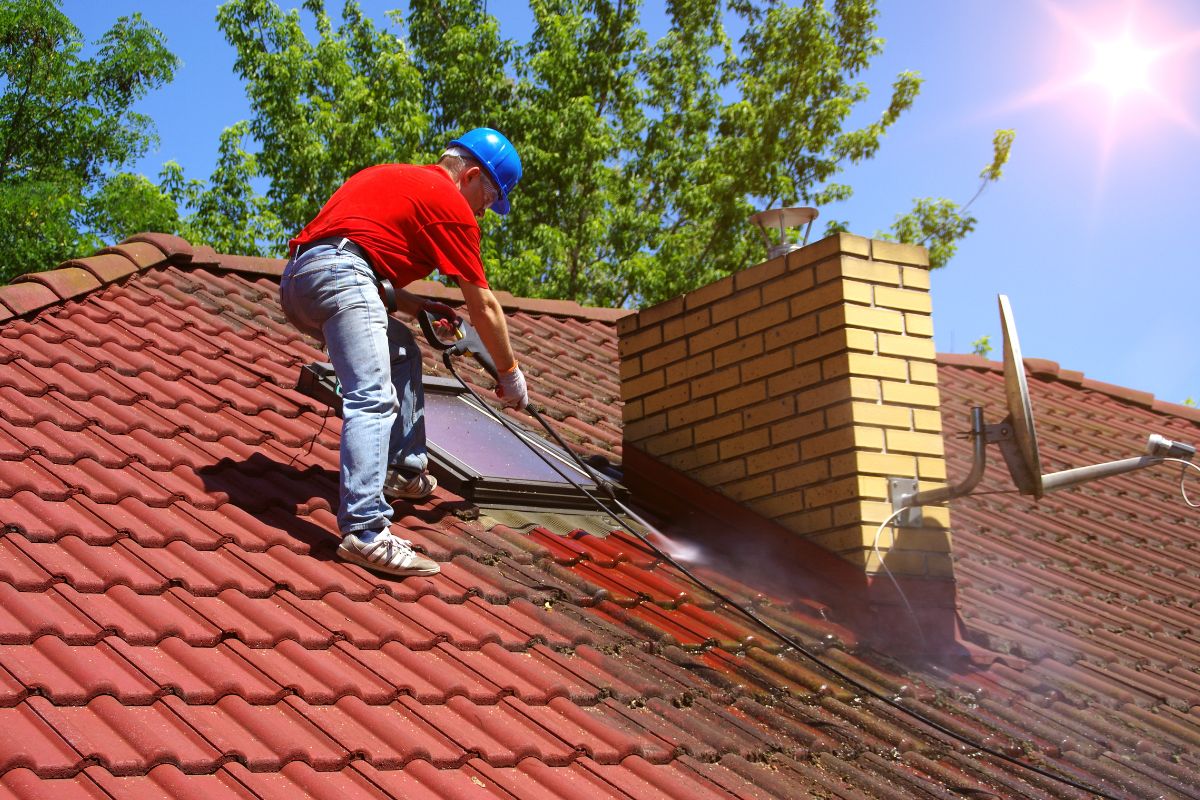
1. Don’t Pressure Wash Your Roof
While blasting away moss and grime might sound satisfying, pressure washing can strip away protective granules from shingles.
This shortens their lifespan and can void warranties. Instead, use a gentle cleaning solution and a soft brush or hire a professional roof cleaner for tougher jobs.
2. Don’t Ignore Small Leaks or Stains
A small leak can quickly become a major issue. If you notice water stains on your ceiling or walls, act fast.
Find the source and patch it temporarily if you can—but remember, water often travels from the original leak point. Persistent leaks are best left to pros who can track and fix them properly.
A few hours of delay could lead to mold growth, damaged insulation, and even electrical risks if moisture reaches wiring.
3. Don’t Walk on the Roof Without Safety Gear
Climbing on your roof without the right shoes, harness, or experience can be dangerous. Slippery shingles and steep slopes are risky even for experienced homeowners.
If you need to check something up close, use a sturdy ladder and binoculars instead of stepping on the surface.
If you must go up, choose a dry, cool day and wear shoes with rubber soles. Never go up during wet or icy weather.
4. Don’t Cover Up Problems With Quick Fixes
Using roof cement or sealant to patch over damage may seem like an easy fix, but it’s usually temporary. These materials break down in the sun and don’t address the underlying problem.
Always identify the cause first—whether it’s damaged flashing, poor drainage, or aging shingles—before applying a solution.
Common Mistakes Homeowners Make
Even well-meaning DIYers can cause more harm than good. One common mistake is using the wrong sealant or patching material.
Roofing systems expand and contract with temperature changes, so standard caulk often cracks and peels.
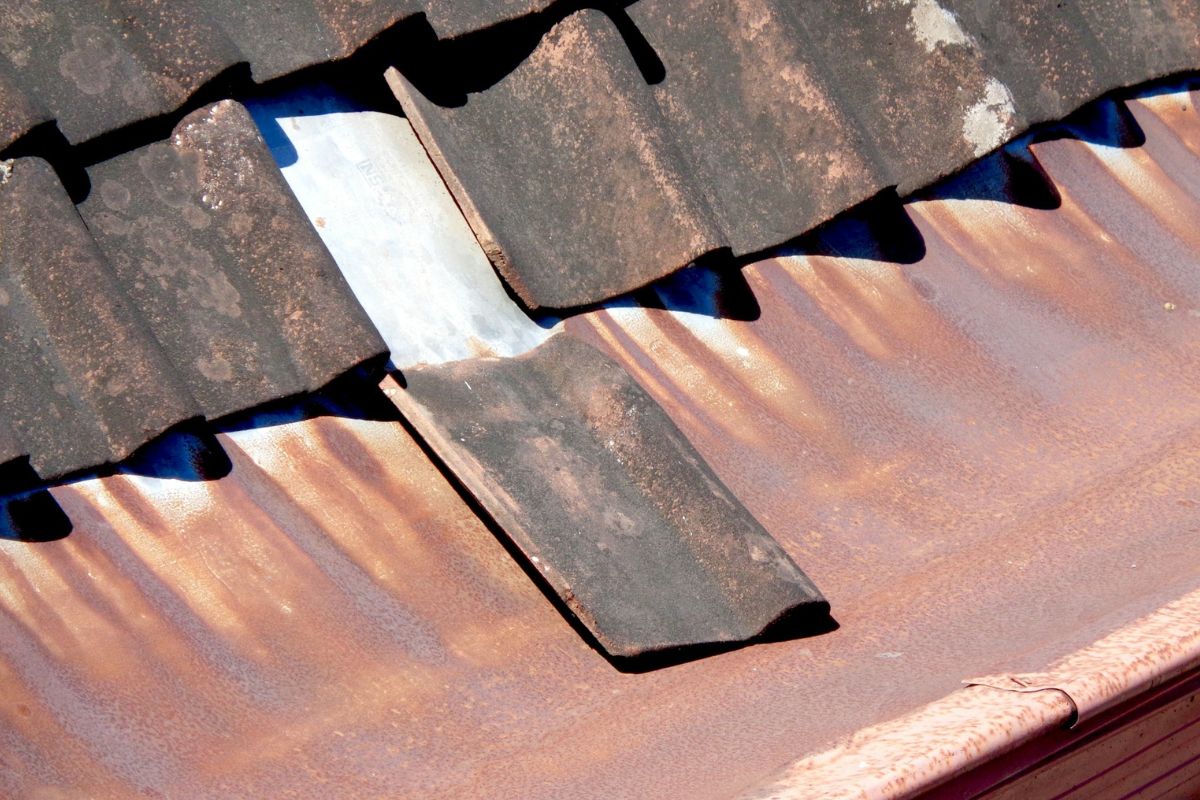
Another issue is ignoring flashing—the metal strips around chimneys, vents, and skylights. Damaged flashing is one of the top causes of roof leaks.
Neglecting attic ventilation is another overlooked mistake. Poor airflow can lead to heat buildup in summer and ice dams in winter, both of which shorten a roof’s life.
If your roof is over 20 years old or you see missing shingles and sagging spots, it might be time to bring in a professional.
In Northwest Idaho, where heavy snow and seasonal storms can take a toll on roofs, homeowners benefit from local expertise and timely maintenance.
A licensed roofing contractor in Coeur d’Alene can inspect for hidden damage, ensure your roof is watertight, and handle any repairs safely and efficiently.
Professional inspections are especially valuable after harsh winters or heavy windstorms, when issues can develop out of sight.
Smart DIY Habits for Roof Longevity
Building good maintenance habits goes a long way. Try these simple practices to help your roof last longer and save you money over time:
- Keep your attic well-ventilated. Proper airflow prevents moisture buildup that can rot the decking.
- Check insulation. Consistent attic insulation keeps indoor temperatures steady and reduces ice dams.
- Clean off debris. Leaves, branches, and dirt trap moisture that can lead to mold and decay.
- Watch for loose shingles. Catching them early prevents water from seeping underneath.
If you see signs like granules collecting in gutters or daylight peeking through attic boards, don’t wait to act. These are early warnings that your roof may need professional help.
What to Leave to the Pros
There’s a fine line between smart DIY maintenance and risky repair work.
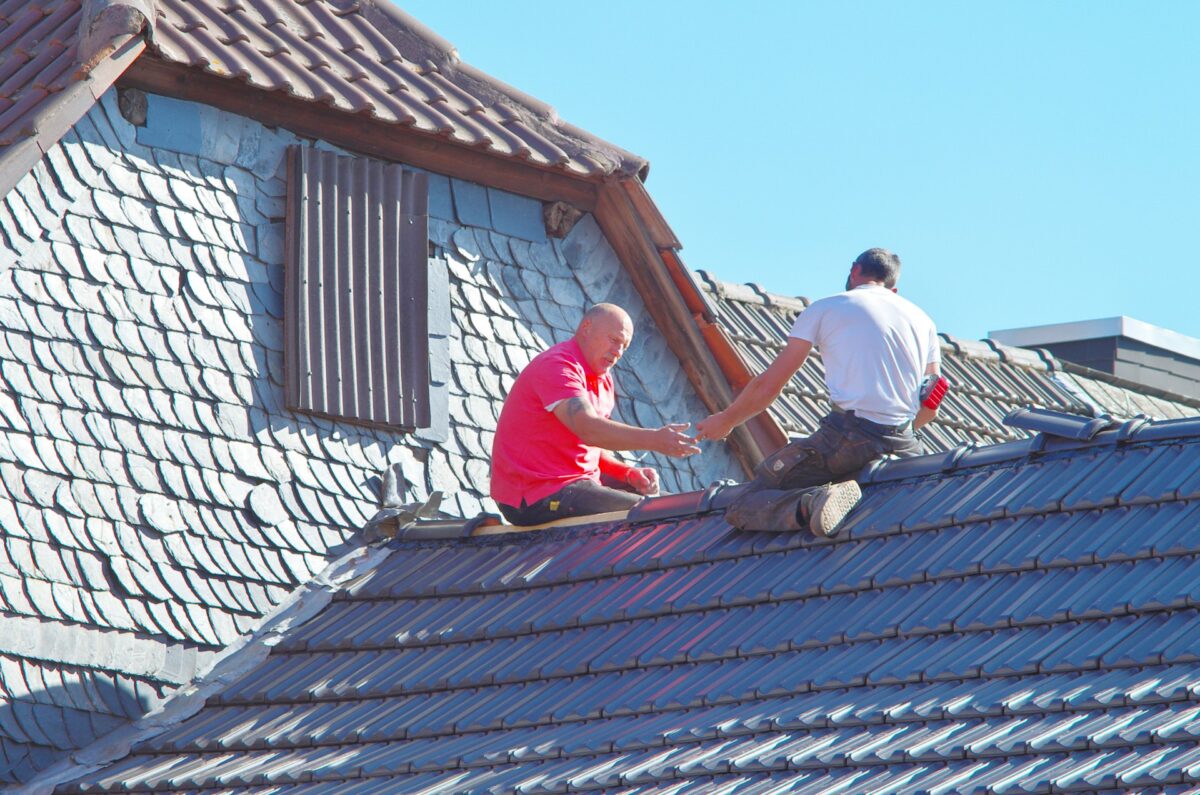
Replacing shingles, repairing flashing, or fixing leaks that involve structural components should always be handled by a professional roofer. They have the right safety gear and experience to complete the job correctly.
Professional roofers can also spot hidden issues—like damaged underlayment or weakened supports—that aren’t obvious from the outside.
Regular maintenance from an expert once every few years helps ensure your roof stays strong and compliant with warranty terms.
DIY roof maintenance doesn’t have to be complicated or risky. By following these do’s and don’ts, you’ll protect your home, extend your roof’s lifespan, and save money in the long run.
Stay consistent with small checkups, handle light cleaning tasks carefully, and call a professional when things look uncertain.
Your roof is your home’s first defense—give it the care it deserves. A little attention now can prevent major headaches later and keep your home safe through every season.
