
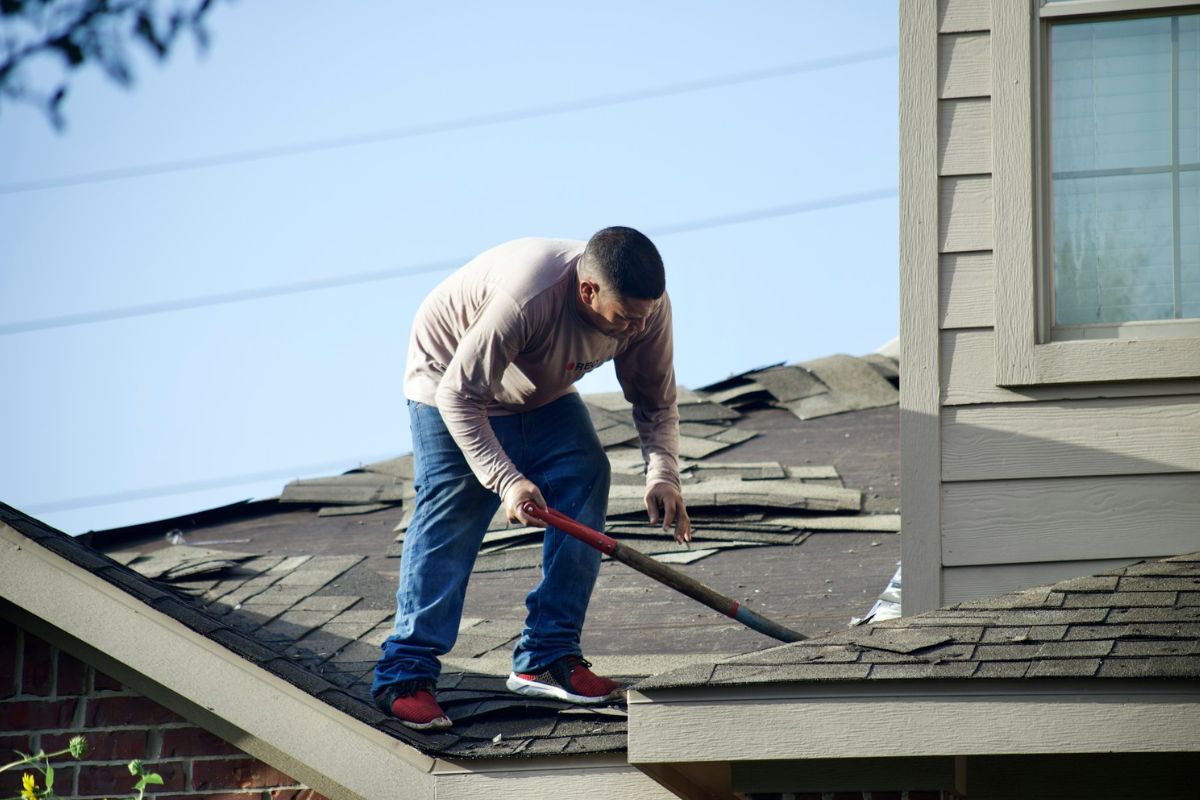
Your roof does a lot more than just make your home look nice—it’s your first line of defense against rain, wind, and harsh weather. But even the strongest roofs don’t last forever.
Over time, they can show signs of wear that often go unnoticed until the damage becomes serious. Knowing when to call a professional can save you a ton of stress, money, and potential water damage down the road.
If you’ve ever wondered whether your roof needs repair, this guide breaks down the most common warning signs to look for and why you should act fast when they appear.
Spotting Visible Damage Early
The easiest way to know your roof needs attention is to look for visible signs of damage.
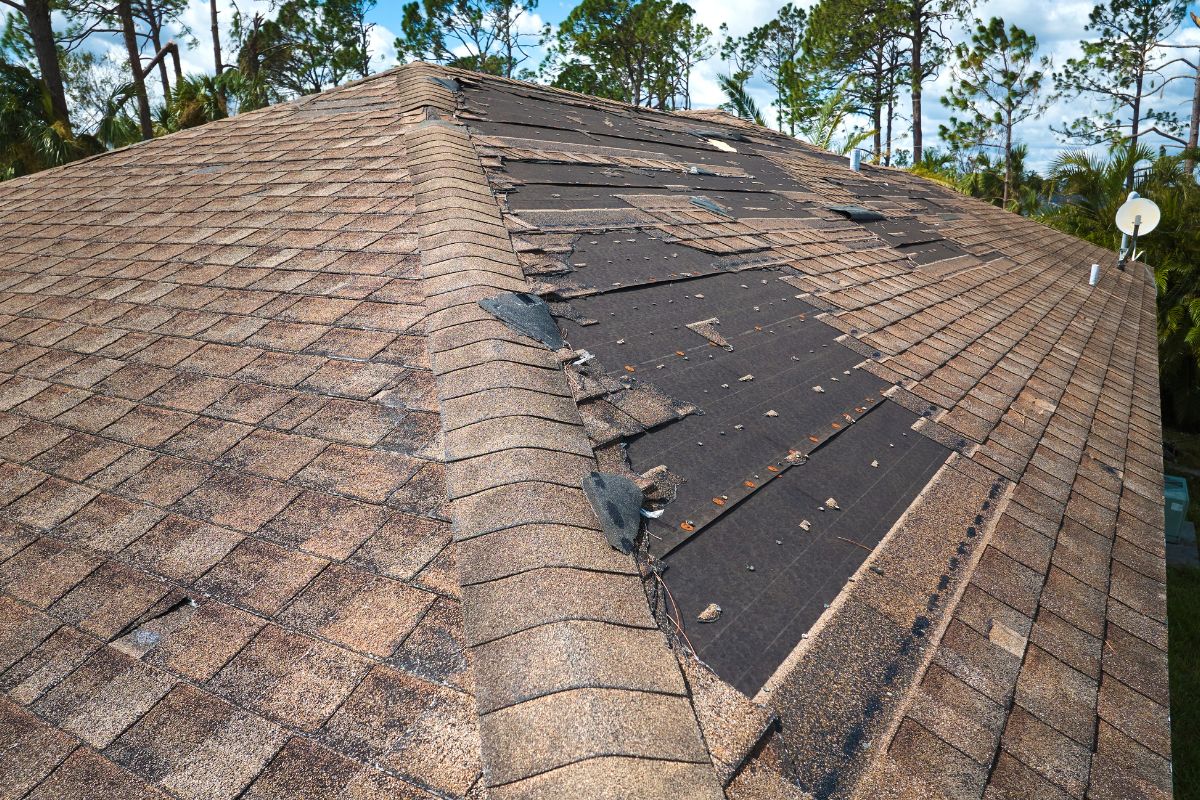
After a storm or a heavy wind event, take a quick look at your roof from the ground or through a window. You don’t need to climb up there—just observe what’s visible.
Missing or Damaged Shingles
Missing, curled, or cracked shingles are one of the first signs of trouble. When shingles start to lift or fall off, water can seep underneath, leading to rot and leaks. Over time, this moisture can affect the structure beneath your roof and cause costly repairs.
Granules in the Gutters
If you notice coarse, sand-like material in your gutters or at the end of your downspouts, those are likely shingle granules.
As shingles age, they lose these protective coatings. Granule loss means your roof is losing its ability to shield against UV rays and weather damage.
Sagging Roof Lines
A sagging roofline is a major red flag. It could indicate structural issues such as rotting beams or weakened supports.
This is one of those issues where you should call a professional right away. Ignoring it could lead to serious safety risks.
Water Damage and Leaks
Water is the enemy of every home. If your roof starts letting moisture inside, it’s only a matter of time before bigger problems follow.
Stains or Discoloration on Ceilings
Dark spots or yellow stains on your ceilings or walls often point to roof leaks.
Sometimes, the leak can be small and slow, making it tricky to spot where it’s coming from. Even a small water stain deserves attention—it means moisture is finding its way in.
Mold or Mildew Growth
If you see or smell mold in your attic or upper floors, your roof might be leaking. Moisture trapped under the roof can encourage mold growth, which not only damages wood and insulation but can also affect your indoor air quality.
Dripping During Rainstorms
It might seem obvious, but if you ever notice dripping during a rainstorm, it’s time to act fast.
Water dripping inside means there’s a direct leak, and waiting could worsen the damage quickly. Calling a trusted company ensures the issue gets fixed before it spreads.
Signs of Aging and Wear
Even without visible leaks, an older roof might be nearing the end of its lifespan.
Most asphalt shingle roofs last about 20 to 25 years, while metal, tile, or slate roofs can last longer with proper care. But as your roof ages, it becomes more vulnerable.
Curling and Brittle Shingles
As shingles dry out and lose flexibility, they start to curl at the edges or crack when touched. This means they’re no longer sealing properly and can’t protect your home as they should.
Frequent Repairs
If you’ve had to fix small leaks or replace shingles multiple times in the past few years, it might be time for a more thorough inspection. Continuous patchwork repairs often signal deeper issues beneath the surface.
Sunlight in the Attic
Take a quick look inside your attic during daylight hours. If you see sunlight shining through the roof boards, that means there are gaps where water and air can get in. Even small cracks can expand with time, leading to bigger problems.
The Impact of Weather Damage
Roofs take a beating from the elements year-round. Storms, hail, and extreme temperature changes can all cause wear and tear.
Hail or Wind Damage
Hail can leave dents and cracks in shingles, while strong winds can lift and loosen them. After a storm, look for shingles lying in your yard or flashing that has pulled away from the roof edges or chimney.
Ice Dams in Winter
In colder climates, ice dams form when snow melts and refreezes along the roof’s edge. This traps water behind it, forcing it under the shingles. If you see large icicles hanging from your roof, it might be time to check for hidden damage.
Flashing Problems
Flashing is the metal or rubber barrier around vents, chimneys, and skylights. Over time, it can crack or peel away, letting water in. Damaged flashing is one of the most common causes of roof leaks and should be fixed right away.
When to Call a Professional
Some homeowners try to handle minor roof repairs themselves, but climbing up on a roof is risky and often makes things worse.
It’s always smarter to call a professional roofing company for an inspection. They have the tools and training to spot issues that aren’t visible from the ground and can make repairs safely.
Professionals can check for:
- Hidden leaks or weak spots under the shingles
- Structural damage to the roof decking
- Proper attic ventilation and insulation
- Flashing and sealant wear
Regular maintenance and inspections at least once a year (preferably before winter or after a major storm) can extend your roof’s life and help prevent expensive damage.
Understanding the Cost of Waiting
It’s easy to put off roof repairs, especially if the problem doesn’t seem urgent.
But small leaks and missing shingles rarely fix themselves—they almost always get worse. What starts as a $300 repair could turn into a $3,000 problem if left too long.
Water damage can affect not only your roof but also your walls, insulation, and even your home’s foundation. Early action keeps costs manageable and protects your investment.
Keeping Your Roof in Top Shape
A roof in good condition adds value, comfort, and peace of mind. Here are a few quick tips to help you keep it that way:
- Inspect regularly: Do a visual check at least twice a year.
- Clean your gutters: Blocked gutters can cause water to back up under shingles.
- Trim nearby trees: Branches can scrape your roof or drop debris that traps moisture.
- Call a pro for yearly maintenance: Routine checkups catch small problems early.
Your roof might not always show obvious signs of damage, but being proactive goes a long way toward keeping your home safe and dry.
Your roof protects everything beneath it—your family, your belongings, and your peace of mind. When you start to see signs like leaks, missing shingles, or sagging areas, it’s a clear signal to act.
Calling a roofing professional ensures the problem gets fixed correctly the first time and helps prevent future headaches.
Whether it’s minor damage or a full inspection after a storm, getting help early keeps your home strong and secure for years to come. Take care of your roof, and it’ll take care of you.
