
The Challenge of Keeping Up
Modern households face a persistent tension: maintaining a clean, functional home while juggling work, family, and personal commitments.
Cleaning tasks rarely feel urgent until they’ve quietly snowballed into something overwhelming—yet they consume meaningful hours every single week.
For most people, the real obstacle isn’t knowing how to clean; it’s finding an approach sustainable enough to actually stick with.
This article explores practical strategies—from rethinking entrenched habits to integrating technology—that can help households reclaim time without letting cleanliness standards slip.
How Cleaning Tasks Impact Household Time and Well-Being
Research on household labor consistently shows that cleaning and maintenance consume between five and eight hours per week for the average household, with that figure climbing considerably in larger families or homes with pets.
But the raw hours tell only part of the story. The mental load of tracking what needs cleaning, when it needs doing, and who’s responsible for it contributes its own quiet drain of decision fatigue and stress.
That burden rarely falls evenly across a household. When one person carries a disproportionate share of cleaning decisions, it can gradually erode work-life balance and strain family dynamics in ways that aren’t always obvious.
Recognizing cleaning not just as a physical chore but as a household efficiency challenge is the first meaningful step toward addressing it.
Key Takeaway: Cleaning affects households in two distinct ways—through the direct time it consumes and through the ongoing mental energy required to manage it.
Addressing both dimensions produces more sustainable improvements than tackling either one in isolation.
Traditional Cleaning Approaches and Their Limitations
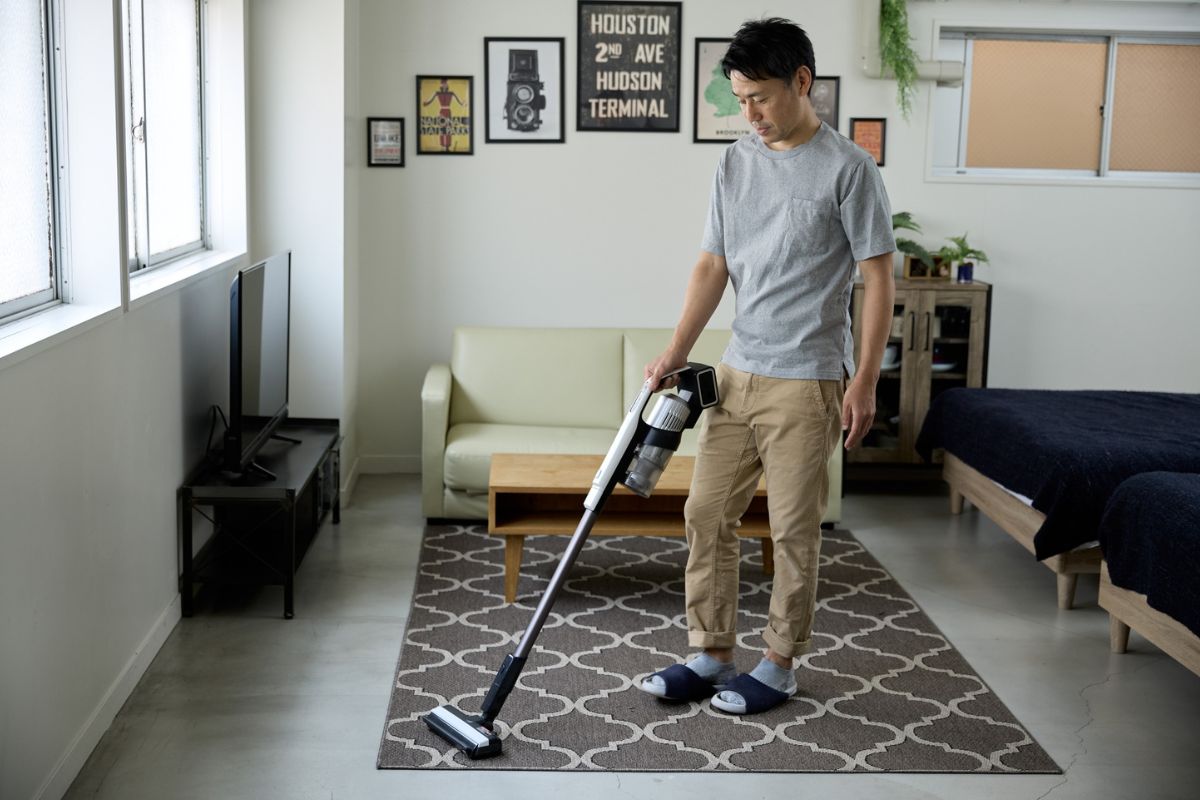
Manual vacuuming, mopping, and surface wiping remain the backbone of most household cleaning routines—and for good reason.
They’re effective, require no special setup, and adapt to virtually any space. The catch is that they depend entirely on consistent human effort, which is precisely where many households run into trouble.
Scheduling conflicts, fatigue, and the all-too-human tendency to procrastinate mean that manual cleaning often happens reactively rather than preventively.
Equipment maintenance adds its own layer of friction—emptying canisters, swapping out filters, and finding somewhere to store bulky machines all create small but real barriers to regular use.
Traditional methods remain indispensable for detailed work like scrubbing grout or tackling upholstery, but their limitations in maintaining day-to-day floor cleanliness are well-documented in household management research.
Automating Routine Cleaning Tasks
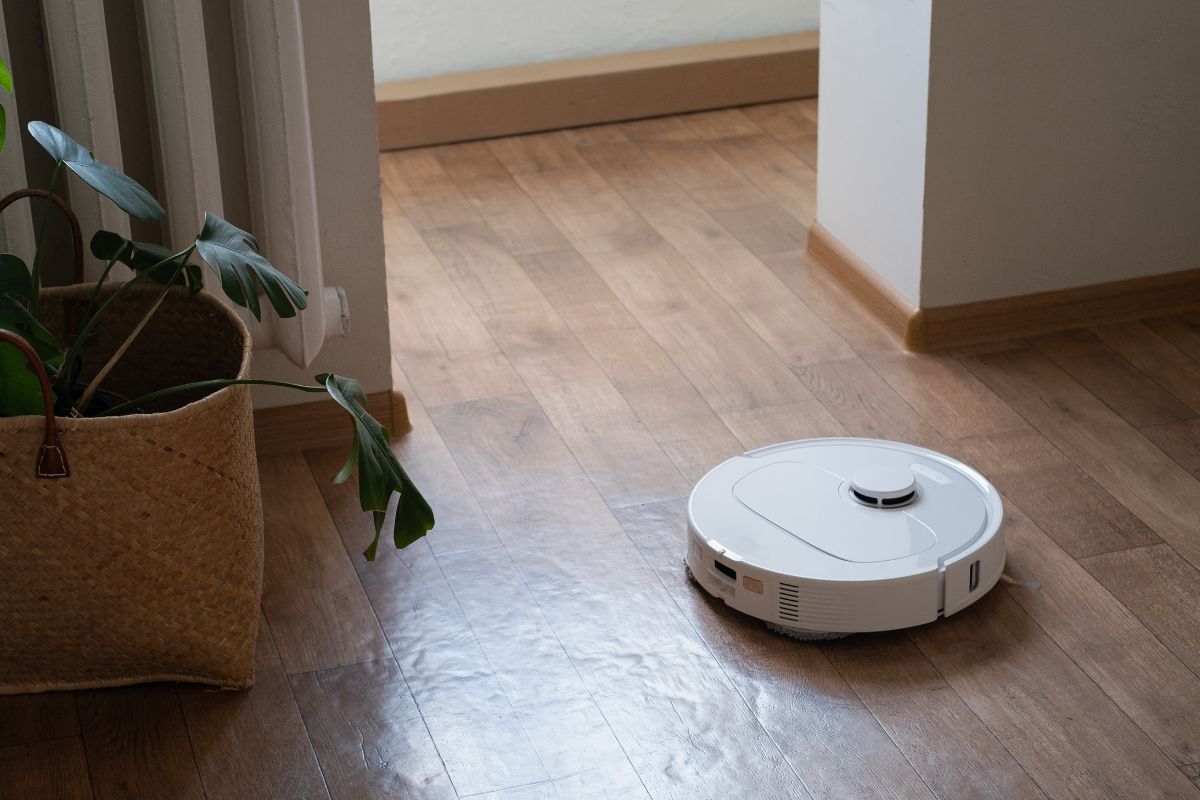
Many households are turning to automated solutions, such as a robot vacuum, to handle routine floor cleaning while attention goes elsewhere.
These devices represent one practical answer to the challenge of keeping up with repetitive tasks. Scheduled to run during off-peak hours—while occupants are at work or asleep—automation can hold the line on baseline cleanliness between deeper manual cleaning sessions.
The real appeal of automation is its consistency. Unlike manual routines that bend to human variability, automated systems run on schedule regardless of how hectic the week gets. That said, automation isn’t a wholesale substitute for thorough cleaning.
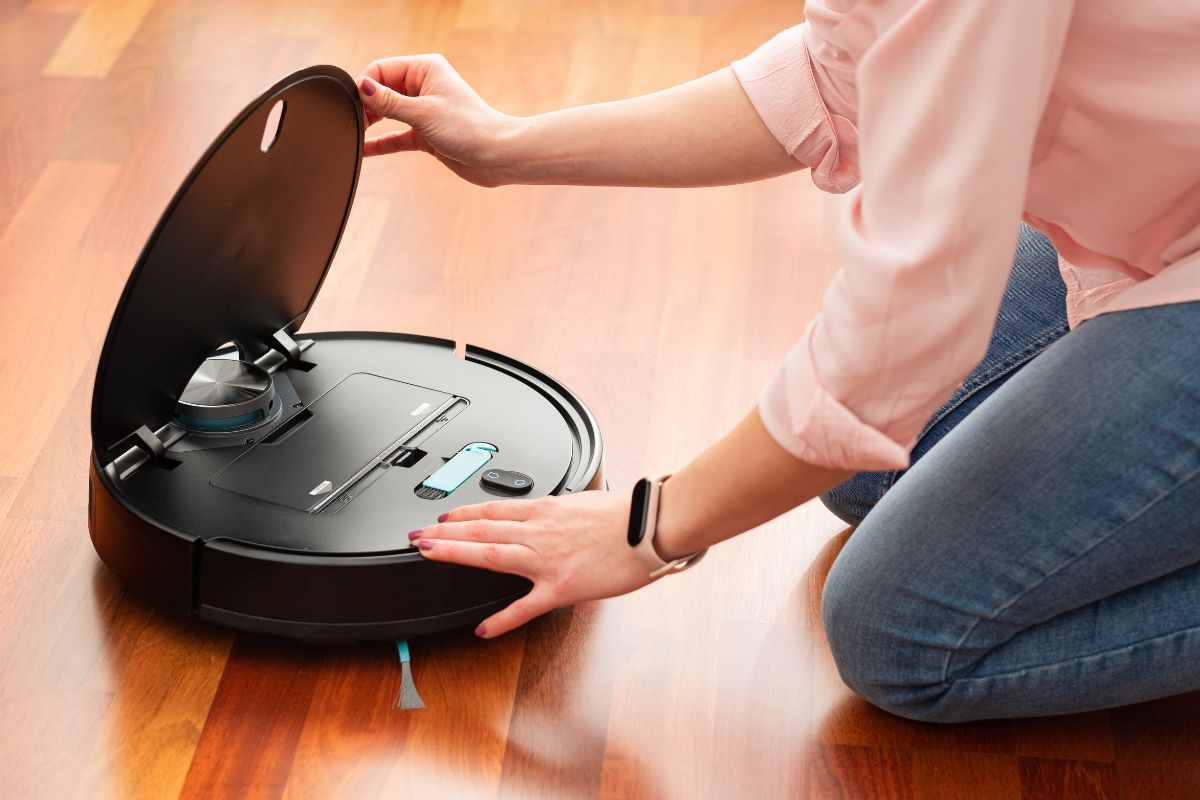
Corners, stairs, and cluttered areas still call for manual attention, and automated devices have their own upkeep requirements—bins that need emptying, brushes that need clearing, and floor paths that need to stay reasonably tidy.
Choosing the Right Cleaning Strategy for Your Household
No single approach suits every household, and chasing whatever solution happens to be trending is rarely a good starting point.
A more useful exercise is an honest assessment of your own situation. Key factors worth considering include:
- Household size and composition — families with young children or pets generate significantly more debris and often benefit most from high-frequency automated solutions
- Floor types — hard floors and low-pile carpets respond well to automated tools; thick carpets or multi-level homes may demand a different approach
- Budget constraints — upfront costs for automated tools vary widely, and ongoing maintenance expenses deserve a place in any realistic calculation
- Available time — households stretched thin on time may lean toward automation; those with more flexible schedules may find traditional methods perfectly adequate
- Hybrid approaches—pairing scheduled automation for daily maintenance with targeted manual cleaning on a weekly basis—tend to offer the most practical balance for a wide range of household types.
Maximizing Cleaning Efficiency Beyond Automation
Technology is only one piece of the household efficiency puzzle. Organizational habits often have an equal or greater influence on how much time cleaning actually demands:
- Decluttering surfaces reduces the number of items to clean around and makes automated tools considerably more effective
- Using entry mats at all exterior doors cuts down significantly on tracked-in dirt before it spreads
- Storing items consistently shortens the time spent tidying before cleaning can even begin
- Assigning clear responsibilities among household members distributes both the mental and physical load more fairly
These kinds of preventive measures reduce the frequency and intensity of deep cleaning sessions over time, compounding real savings across months and years.
When household demands genuinely exceed what residents can manage, periodic professional cleaning services can reset the baseline without requiring a permanent commitment.
Measuring Success and Adjusting Your Approach
Even a well-designed cleaning strategy needs periodic check-ins. Useful indicators include how much time the household is spending on cleaning each week, whether everyone is satisfied with the results, and—perhaps most importantly—whether the current approach feels sustainable.
When any of these signals start to slip, the answer isn’t necessarily a complete overhaul; it’s identifying the specific friction point and addressing that.
A simple monthly review—noting what worked, what got skipped, and what felt like a burden—creates the feedback loop that makes long-term improvement possible.
Building a Sustainable Cleaning System
At its core, household cleaning efficiency is about supporting well-being, not chasing perfection.
The most effective system is ultimately the one a household will actually maintain—which means it has to fit realistically into existing routines, responsibilities, and resources.
There’s no universal answer. A single-person apartment calls for a fundamentally different approach than a home with multiple children and pets.
The real value lies in thoughtful experimentation: trying different combinations of methods, evaluating results honestly, and adjusting without self-criticism.
Households that treat cleaning as an ongoing, adaptable system—rather than a fixed routine carved in stone—consistently report greater satisfaction and less stress around home maintenance.
Reclaiming time and mental energy from cleaning tasks is genuinely achievable. It starts with understanding the full scope of the challenge, and continues with deliberate, personalized choices about how best to meet it.
