
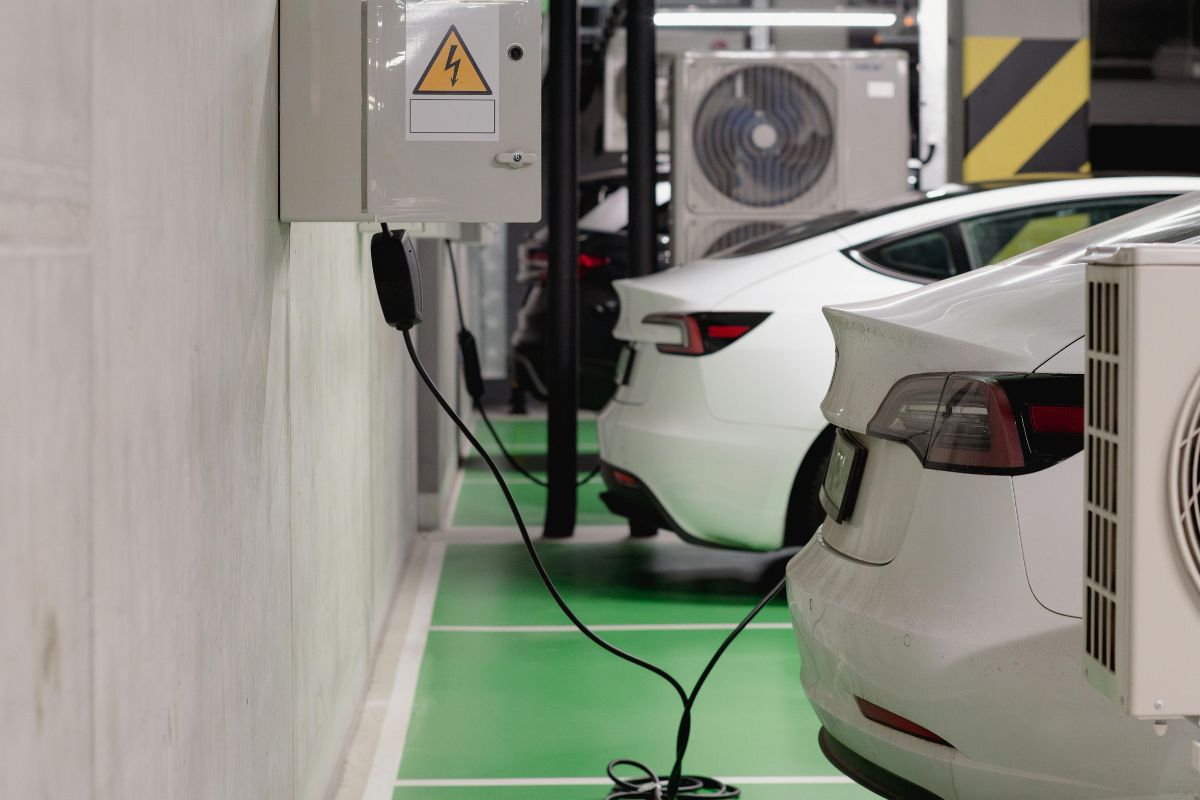
As electric vehicles (EVs) become more common, apartment owners are considering installing EV charging stations.
This growing demand reflects the shift toward more sustainable transportation options. However, many property owners remain uncertain about total installation costs and logistical requirements.
Understanding the costs is crucial for property owners and managers. The process of installing an apartment EV charging station varies based on several factors.
This article explores the factors that impact the cost of installing EV charging stations in apartment settings.
Electrical Infrastructure and Its Impact on Costs
One of the key factors that influences the cost of installing an EV charging station is the existing electrical infrastructure.
The age and capacity of the building’s electrical system can significantly affect installation costs. If the electrical panel is outdated or unable to handle the additional load, upgrades may be necessary.
This can lead to increased costs due to the need for more extensive wiring, new electrical panels, or even a dedicated power supply. These upgrades can cause delays in the installation process, further adding to both time and expense.
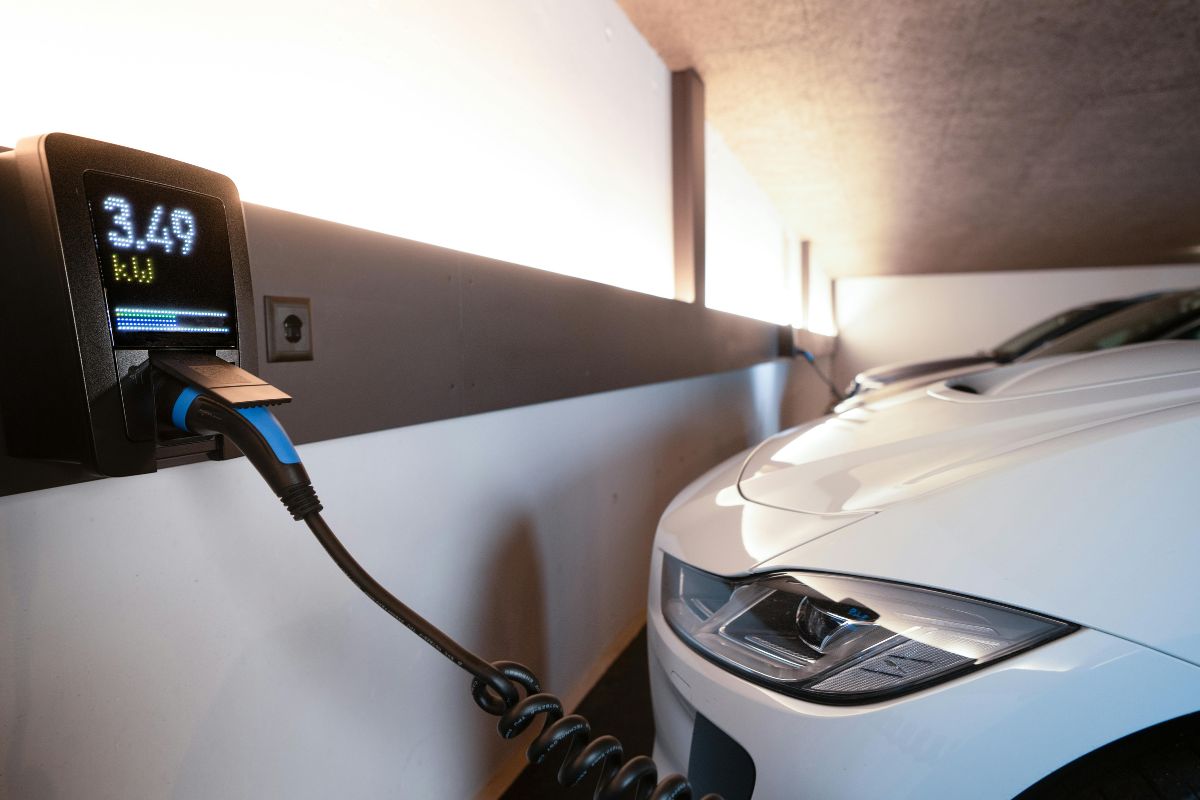
Costs of Installing EV Charging Stations in Apartments
The cost of installing an EV charging station in an apartment depends on multiple factors. These include the number of charging stations required, the complexity of the installation, and the specific type of charger selected.
Property owners may also need to consider costs for permits, inspections, and local utility fees. Each of these factors plays a role in determining the total cost of installation. As a result, property owners need to assess all variables before proceeding with installation.
Types of EV Charging Stations Available for Apartments
Apartment owners can choose from various types of EV charging stations. Level 1 chargers are the simplest and offer slower charging times, typically suitable for areas where long charging periods are acceptable.
Level 2 chargers, more common in apartments, provide faster charging speeds and require a 240-volt outlet.
DC fast chargers, the fastest option, are generally more expensive and best suited for commercial properties due to their higher installation costs.
Property owners should assess tenant demand, electrical capacity, budget, and future expansion plans.
Permits, Regulations, and Installation Challenges
The process of installing EV charging stations in apartments often includes understanding local regulations and obtaining permits.
Some regions require property owners to apply for official permission before installation can proceed. Additionally, electrical inspections may be required to ensure safety standards are met.
The complexity of the electrical system may require upgrades, further impacting both time and cost during installation.
Property owners may also need to coordinate closely with local utility providers. Approval timelines can vary depending on municipal requirements and review processes.
Long-Term Savings and Benefits of EV Charging Stations
The initial installation costs of EV charging stations can be significant, but the long-term benefits are substantial. These include:
- Reduced Fuel and Maintenance Costs: EV owners generally spend less on fuel and vehicle maintenance than those with traditional vehicles.
- Attracting Eco-Conscious Tenants: Apartments with EV chargers appeal to tenants who prioritize sustainability, improving tenant retention.
- Increased Property Value: Properties with EV charging stations tend to see higher property values over time, making them a more attractive investment.
- Enhanced Tenant Satisfaction: Providing EV charging stations can improve tenant satisfaction and reduce turnover rates.
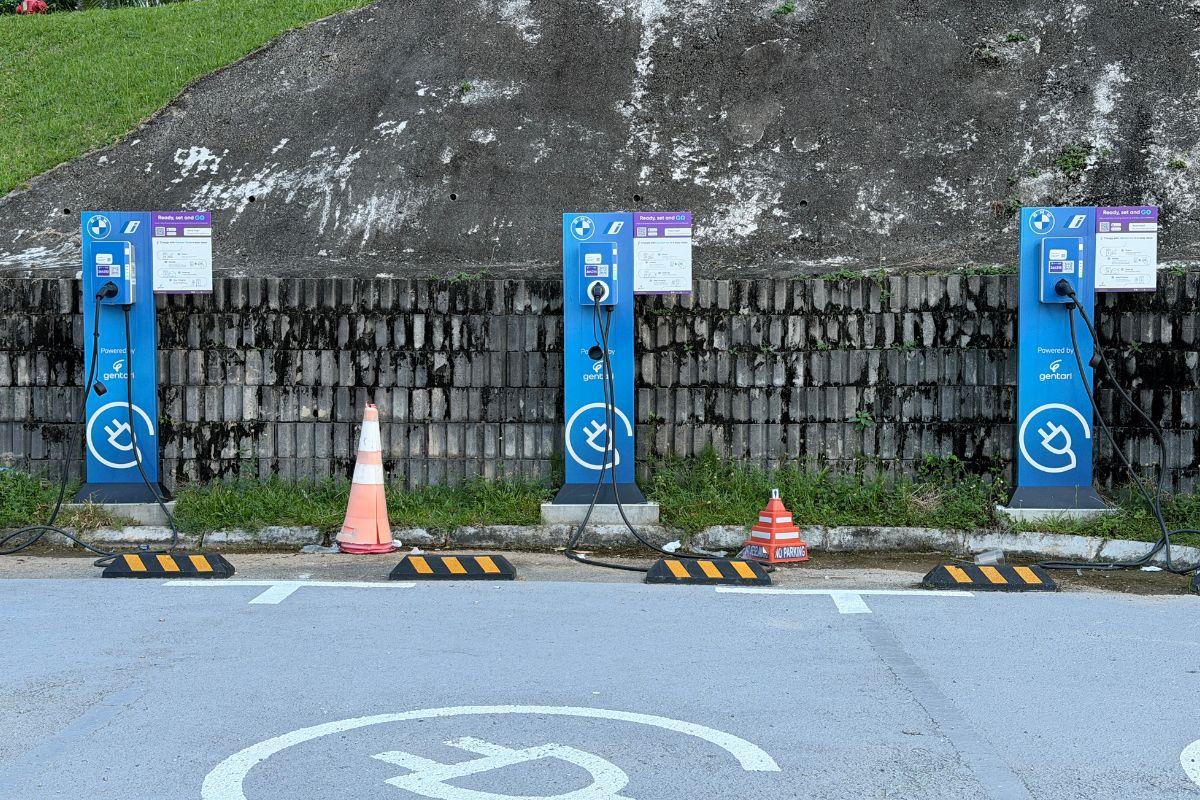
Financial Incentives and Rebates
Many governments and utility providers offer financial incentives to encourage EV charging infrastructure installation. These may include tax credits, grants, rebates, or reduced utility rates.
Taking advantage of available programs can significantly lower upfront installation costs. Property owners should research federal, state, and local incentive opportunities before beginning the project.
Consulting with energy advisors can help identify the most beneficial funding options available. Early planning helps maximize eligibility for available incentive programs.
Planning for Future Expansion
As EV adoption continues to grow, demand for charging stations is expected to increase. Installing scalable infrastructure, such as upgraded electrical capacity or conduit pathways, can reduce future expansion costs.
Planning allows property owners to add more chargers without major structural modifications. A forward-looking approach protects the long-term value of the investment.
Proactive planning ensures the property remains competitive in evolving rental markets. Future-ready infrastructure enhances operational efficiency and tenant convenience.
EV charging stations in apartments offer sustained advantages for both tenants and property owners. The costs may vary depending on several factors, but the benefits, such as improved tenant satisfaction and increased property value, make it a worthwhile investment.
As electric vehicles continue to grow in popularity, providing an apartment EV charging station becomes a necessary step in preparing for the future. This investment aligns with growing environmental awareness and tenant demand.
