
Every construction project runs on tight schedules and budgets. When heavy equipment breaks down, even for a short time, the impact spreads quickly across the entire job site.
Crews are left waiting, deadlines get pushed back, and unexpected repair bills start piling up.
The traditional fix is to order a replacement part and wait. But sourcing components for heavy construction machinery is rarely quick or cheap.
Lead times can stretch for weeks, and the price tag on a new part often comes as a shock.
That’s where laser cladding changes the game. Instead of replacing a worn or damaged component, laser cladding restores it, precisely and quickly, at a fraction of the cost.
Construction teams around the world are already using this technology to keep their projects moving when equipment failure threatens to bring everything to a halt.
Here are a few ways laser cladding can save construction projects from costly downtime:
Restores Worn Parts Instead of Waiting for Replacements
Construction machinery has parts that wear out fast. Hydraulic rods, shafts, rollers, and bucket edges can develop scratches, scoring, or thinning from heavy use.
Traditionally, those parts would be removed, sent to a manufacturer, and replaced, which can take days or weeks.
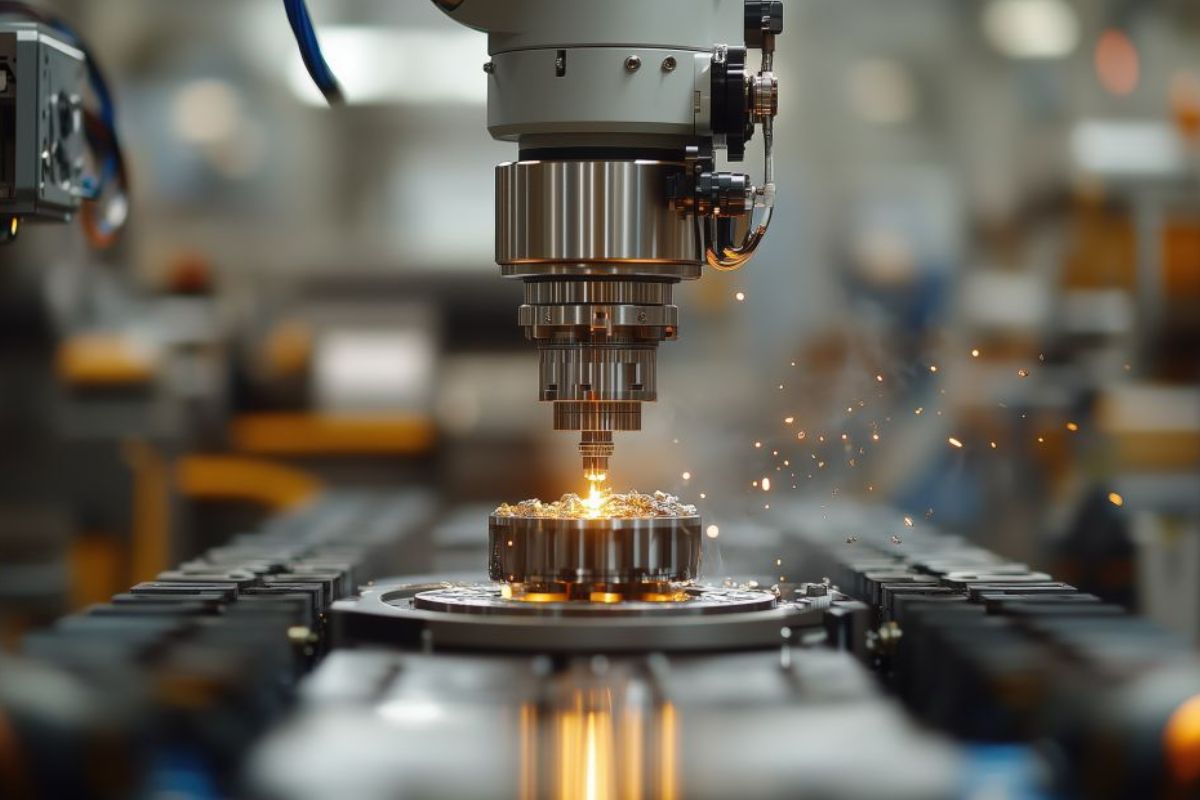
Laser cladding rebuilds worn parts directly. Using laser metal deposition, a thin layer of metal is deposited onto the worn area and bonds to the base metal.
The process is precise, keeping the component close to its original dimensions. For project managers, equipment can return to the job site much faster than waiting for a new part.
Restoring the part instead of replacing it helps crews avoid long idle times and keeps work progressing. Repairs can take place on-site or at a nearby facility, which reduces transport delays for heavy components.
For construction teams looking for reliable solutions, work with companies specializing in laser cladding for construction equipment.
Their expertise ensures worn parts are rebuilt efficiently and accurately, helping projects stay on schedule and reducing costly downtime.
Reduces the Risk of Chain Reaction Breakdowns
Equipment failures rarely stay isolated. A worn shaft can damage bearings, and a misaligned surface can strain nearby seals. One small issue can create a chain reaction that spreads across the system.
A laser-cladded coating restores dimensions and surface properties so components fit and move as intended. When the original tolerances are maintained, surrounding parts face less stress. That helps prevent secondary failures that often lead to longer downtime.
Thermal fatigue is another concern in heavy machinery, especially where heat builds up during operation.
Adding thermal barriers through a controlled laser overlay welding process can reduce heat-related damage. Keeping temperatures in check lowers the risk of cracks and premature wear in nearby components.
Shortens Repair Time
Time matters on an active construction site. Traditional welding repairs can introduce excessive heat input, which leads to distortion and longer finishing work.
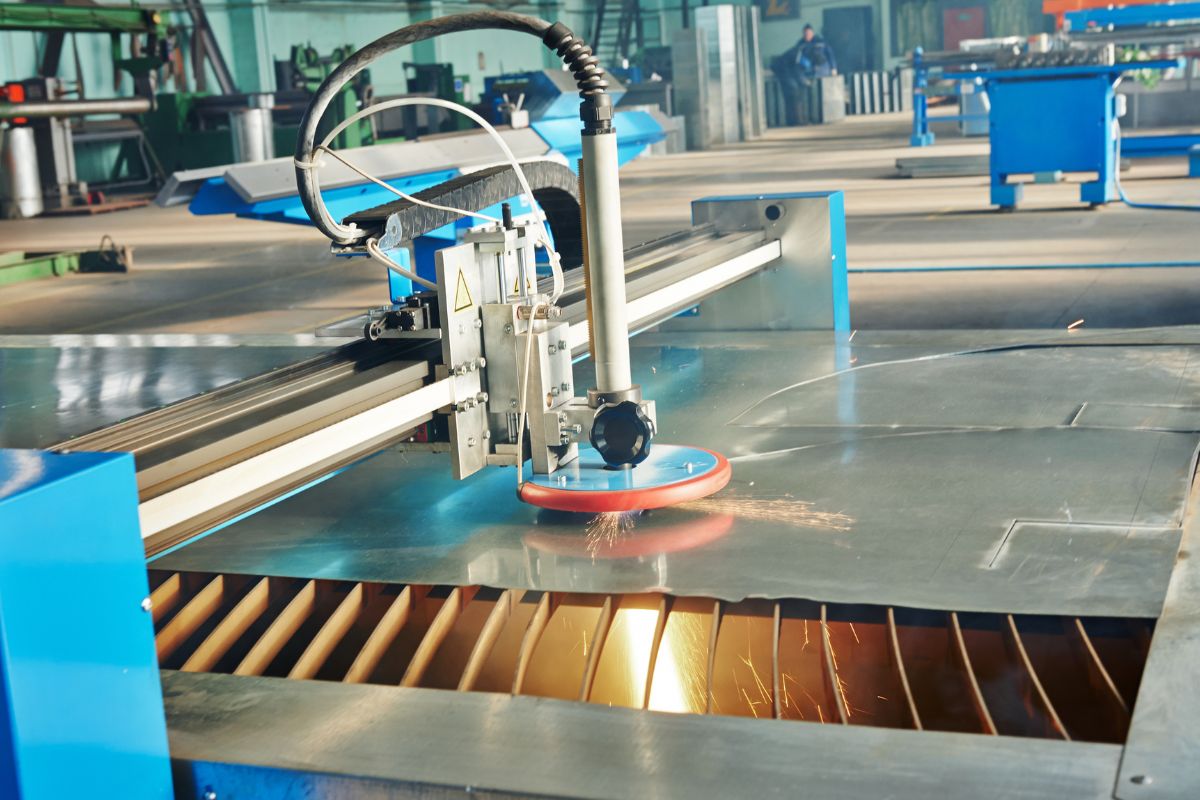
Laser cladding uses high-energy lasers with controlled laser power, allowing technicians to focus heat only where it’s needed.
This precise heat control limits warping and often produces a low-roughness surface that requires minimal post-repair machining.
High-speed processing methods, including high-speed laser cladding, further reduce turnaround time. The equipment can return to service faster, which helps protect the project timeline.
Hot-wire laser cladding is another option that can improve efficiency during repairs. It feeds filler material into the melt pool in a controlled way, helping maintain consistent coating thickness and strong bonding. Faster, more controlled repairs translate into fewer lost workdays.
Strengthens High Wear Areas Before They Fail
Some parts wear faster than others. High-friction zones like gear teeth, rollers, and cutting edges take constant abuse.
Even site infrastructure, such as the rollers and tracks on heavy equipment sheds, can be reinforced to prevent safety risks.
Laser cladding materials can be selected to improve wear properties in these high-stress points. Adding a corrosion-resistant layer helps parts exposed to wet or muddy conditions maintain water resistance and stronger corrosion performance over time.
Technicians sometimes use functionally graded coatings to transition between the base metal and the outer layer.
This balances toughness and hardness in the same area, reinforcing components before failure occurs. Strengthening both machinery and site features like garage doors reduces the chances of sudden breakdowns that could halt work.
Extends the Life of Expensive Equipment
Heavy construction machinery represents a major investment. Replacing large components repeatedly adds pressure to maintenance budgets. Laser cladding acts as a life-extension tool for high-value parts.
Instead of discarding a component when its surface wears down, a laser cladding system rebuilds and strengthens it.
The restored layer often enhances wear properties and coating performance compared to the original surface. That means fewer replacements over the equipment’s lifespan.
Laser additive manufacturing techniques also allow for targeted rebuilding where damage occurs most often.
This focused approach helps extend service intervals without redesigning the entire machine. Over time, fewer failures mean fewer disruptions to ongoing projects.
Helps Maintain Performance Under Heavy Loads
Construction equipment operates under constant stress. Loads are heavy. Environments are harsh.
Surfaces face abrasion, impact, and exposure to moisture. Repairs need to do more than patch damage. They need to support long-term performance.
Laser cladding creates a durable outer layer that bonds closely to the original metal. The result is a strong interface between the base and the new material.
With the right laser cladding materials, surfaces can resist abrasion, corrosion, and repeated stress cycles more effectively.
In certain applications, lessons from rapid prototyping and advanced manufacturing processes help refine repair strategies.
These same techniques are used on high-pressure industrial heat exchangers, proving the method can handle the toughest site conditions.
Applying that level of control to construction equipment helps maintain performance even under demanding job site conditions.
Supports Planned Maintenance Instead of Emergency Repairs
Emergency repairs rarely happen at convenient times. They interrupt workflows, increase stress, and often cost more than expected. Laser cladding supports a more planned approach.
During scheduled maintenance checks, technicians can assess coating thickness and inspect high-wear areas. If early damage appears, they can restore the surface before it turns into a critical failure.
Selective laser melting and other related additive manufacturing methods also support precise adjustments when parts require slight redesigns or reinforcement.
This shift from reactive to planned repairs keeps downtime predictable. Crews can prepare for short service windows rather than scrambling during an unexpected shutdown. Projects benefit from steadier progress and fewer surprises.
Conclusion
Equipment failure is one of the fastest ways to derail a construction project. Every hour a machine sits idle costs money and puts your deadlines at risk. Laser cladding gives your team a smarter way to respond.
Worn parts are restored quickly, high-stress areas are reinforced before they fail, and maintenance becomes predictable.
For project managers who need to keep work moving and costs under control, this reliability is the key to a successful site.
