

Look, when I first heard about senior housing investments eight years ago, I rolled my eyes so hard I nearly pulled something.
“Investing in nursing homes?” I thought. “That’s depressing as hell and probably complicated beyond belief.”
Boy, was I wrong about the money part. Right about the complicated part, though.
I was actually scouting restaurants available for lease in suburban Phoenix when my broker mentioned this assisted living facility that was struggling financially.
The owner wanted out, the building was solid, and the demographics were screaming opportunity. I almost walked away because it wasn’t what I was looking for. Best decision I never made – walking away, that is.
That first property taught me everything about an industry most real estate investors completely ignore. Three years later, I sold it for $2.8 million after buying it for $1.4 million. Not bad for a “depressing” investment, right?
The $4 Trillion Wave Nobody’s Talking About
Every single day, 10,000 Americans turn 65. Every. Single. Day. For the next 15 years.
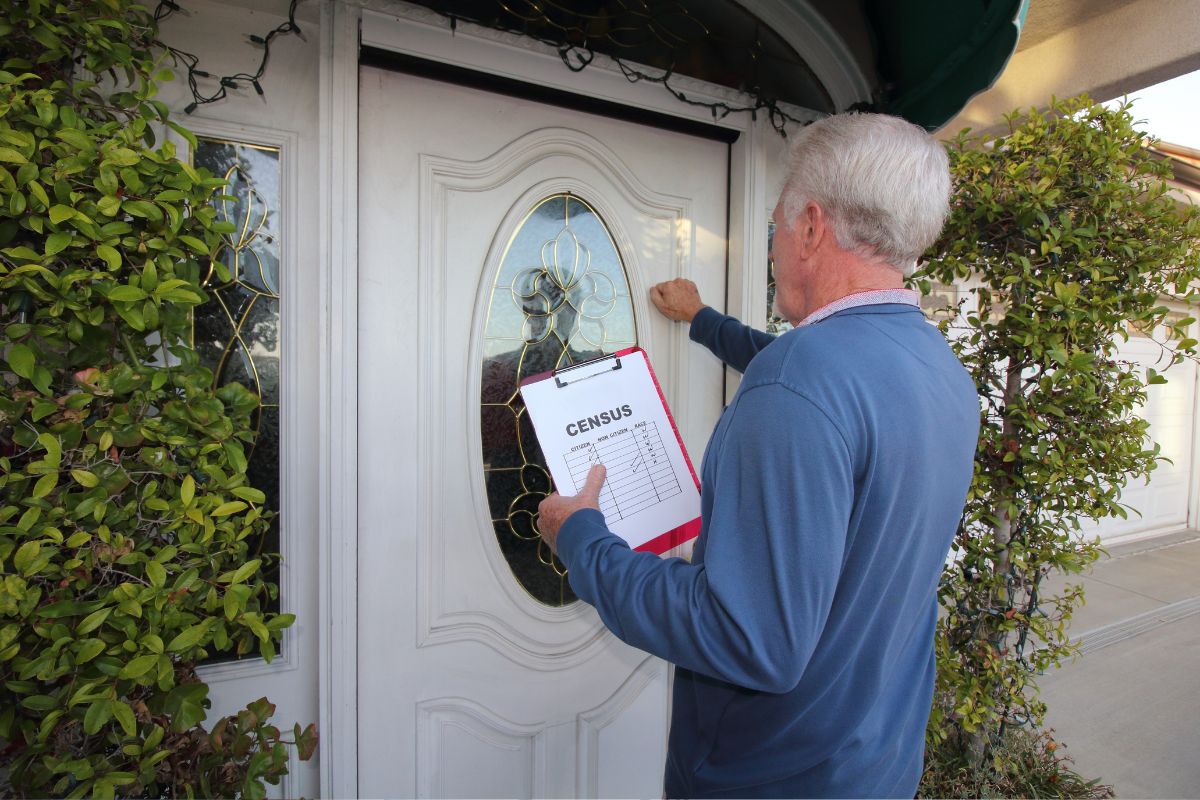
Think about that number for a second. That’s 3.6 million new seniors annually, and they’re not going to live with their kids like previous generations did.
They want independence, community, and care when they need it. They also have money – more money than any generation of retirees in history.
The Census Bureau predicts 94.7 million Americans will be over 65 by 2060. That’s double what it is today. Double. And here’s the kicker – most of them will need some form of assisted living by age 80.
But here’s what really gets me frustrated: most real estate investors are still chasing the same tired strategies.
Flipping houses, buying rental properties, fighting over the same urban markets while completely ignoring the biggest demographic shift in American history.
The Three Types of Senior Housing (And Which Ones Make Money)
Before you can invest intelligently, you need to understand what you’re actually buying. Most people think senior housing means nursing homes. Wrong. That’s like thinking restaurants only means McDonald’s.
Independent Living: The Gateway Drug
This is for seniors who can live on their own but want maintenance-free living and social activities. Think luxury apartments with housekeeping, meal plans, and organized activities. Average monthly cost: $2,500-4,500.
These properties are easier to manage and have the highest occupancy rates (usually 90%+), but the profit margins are thinner because you’re not providing medical care. Great starting point for new investors.
I own two independent living facilities in Arizona, and they’re cash cows. Steady income, happy residents, minimal regulatory headaches.
One property I bought for $3.2 million in 2019 is now worth $4.8 million and generates $720,000 annually in net operating income.
Assisted Living: The Sweet Spot
This is where seniors get help with daily activities – bathing, dressing, medication management – but still maintain some independence. Average monthly cost: $4,000-7,000.
Higher margins than independent living because you’re providing more services, but also more regulatory compliance and staffing challenges. This is where I make most of my money because the barriers to entry keep out casual investors.
My best property is a 48-unit assisted living facility outside Denver. Bought it for $4.1 million in 2020, put $600,000 into renovations and staff training.
Now it’s worth $7.2 million and generates over $1 million annually. The key was understanding that assisted living isn’t just real estate – it’s a service business.
Memory Care: The Specialist Play
This is for residents with dementia or Alzheimer’s. Highest costs ($6,000-10,000 monthly), highest margins, but also highest complexity. Specialized staffing, secure environments, specific programming.
I don’t own any memory care facilities because they require expertise I don’t have. But I know investors who do extremely well in this space. Just understand that you’re not just buying real estate – you’re buying into healthcare.
The Numbers That Will Blow Your Mind
Let me give you some real numbers from real deals, because most people throw around theoretical returns that don’t exist in the real world.
Property #1: Sunrise Manor Assisted Living, Phoenix
- Purchase Price: $1.4 million (2018)
- Renovation: $180,000
- Annual NOI: $280,000 (17.5% cap rate)
- Current Value: $2.8 million
- Total Return: 246% over 3 years
This was a distressed property with 60% occupancy and management problems. Fixed the management, upgraded common areas, improved food service. Occupancy hit 96% within 18 months.
Property #2: Desert View Independent Living, Tucson
- Purchase Price: $3.2 million (2019)
- Minimal renovations: $75,000
- Annual NOI: $425,000 (13.3% cap rate)
- Current Value: $4.8 million
- Monthly cash flow: $32,000
This one was already well-managed, just needed capital improvements and rate increases that had been deferred for years.
Property #3: Golden Years Assisted Living, Colorado Springs
- Purchase Price: $4.1 million (2020)
- Major renovations: $600,000
- Annual NOI: $780,000 (16.6% cap rate)
- Current Value: $7.2 million
- Monthly cash flow: $58,000
The previous owner was bleeding money because they didn’t understand operations. We brought in experienced management and turned it around in 14 months.
Compare those returns to traditional rental properties or commercial real estate. It’s not even close.
Why Most Investors Fail (And How to Not Be One of Them)
I’ve watched plenty of people lose their shirts in senior housing because they treated it like buying an apartment building.

It’s not. Senior housing is part real estate, part healthcare, part hospitality. Screw up any of those three and you’re dead.
Mistake #1: Thinking It’s Just Real Estate
The biggest mistake is buying based on real estate metrics alone. Cap rates, price per square foot, rental comps – that stuff matters, but it’s maybe 40% of the equation.
I almost lost $300,000 on a property in Nevada because I focused on the building and ignored the operations.
The physical plant was beautiful, but the previous owner had deferred maintenance on relationships with regulators, staff, and families. Took 18 months to rebuild trust and credibility.
Mistake #2: Underestimating Regulatory Complexity
Senior housing is regulated at federal, state, and local levels. Licensing requirements, health department inspections, fire marshal compliance, ADA accessibility – it never ends.
I spent $47,000 in legal fees getting one facility through a licensing renewal because the previous owner hadn’t kept up with documentation requirements. That’s money straight out of your profit margins.
Mistake #3: Cheap Out on Management
This isn’t like managing rental apartments where you can hire your cousin to collect rent checks. Senior housing requires licensed professionals who understand healthcare, nutrition, activities programming, and family relations.
Good management companies charge 5-8% of gross revenue. Bad ones charge 3-4% and cost you ten times that in problems. I learned this lesson the expensive way.
Mistake #4: Ignoring the Food Component
Here’s something most investors never consider: food service makes or breaks senior living facilities. Residents eat 2-3 meals a day in your building. If the food sucks, they leave. If the dining experience is great, they stay and refer friends.
I’ve seen facilities with gorgeous buildings fail because they tried to save money on food service. I’ve also seen mediocre buildings succeed because they had amazing dining programs that became community gathering spots.
When evaluating senior housing investments, always ask about the food service operation. Is it contracted out or in-house? What’s the per-meal cost? How do residents rate it? This isn’t just an amenity – it’s a core service that affects occupancy and resident satisfaction.
The Due Diligence That Saves Your Ass
Most real estate due diligence focuses on physical and financial aspects. Senior housing requires operational due diligence that goes way deeper.
The Regulatory Audit
Before you buy anything, hire a healthcare attorney to review all licenses, inspection reports, and compliance history. I pay $3,000-5,000 for this review on every deal, and it’s saved me from disasters multiple times.
One property I looked at in Ohio had a pattern of health department violations that would have required $200,000 in facility improvements to resolve. The seller “forgot” to mention that.
The Staffing Analysis
Get detailed information about current staffing levels, turnover rates, wage scales, and benefits. High turnover is expensive and indicates deeper problems.
A facility with 40% annual staff turnover is bleeding money on recruitment and training costs. More importantly, it suggests management or cultural problems that affect resident care and satisfaction.
The Occupancy Deep Dive
Don’t just look at current occupancy – understand occupancy trends, average length of stay, and resident turnover reasons. A facility that’s 90% occupied but churning residents every six months has serious problems.
I analyze 24 months of occupancy data before making offers. Seasonal patterns, move-out reasons, waiting list length – all of it matters for projecting future cash flow.
The Financial Forensics
Senior housing has unique revenue and expense patterns that don’t exist in other real estate. Care level acuity affects pricing.
Medication management generates additional revenue. Specialized programming costs money but improves resident satisfaction.
I always hire a CPA who specializes in senior housing to review financial statements. They catch things general real estate accountants miss.
The Financing Game Nobody Explains
Getting financing for senior housing is different from conventional real estate loans. Banks view these properties as business operations, not just real estate, which means more scrutiny but also more options.
Traditional Bank Financing
Most regional and community banks will finance senior housing, but they want to see operational experience either from you or your management team.
If you’re new to the sector, partner with experienced operators or accept higher interest rates until you prove yourself.
Typical terms: 75-80% LTV, 5-7 year terms, rates 1-2 points above conventional commercial real estate.
SBA Loans
SBA 504 loans can be fantastic for senior housing because they treat these as business acquisitions rather than real estate purchases. Lower down payments (10% vs 20-25%), longer terms, fixed rates.
I used SBA financing on two deals and saved about $180,000 in down payment requirements compared to conventional loans.
Private Equity and JV Partners
There are investment groups that specialize in senior housing and will partner with local operators. They provide capital, you provide local knowledge and operations management.
I’ve done two deals this way – they put up 80% of the capital, I contribute 20% plus sweat equity, we split profits 60/40 after their preferred return.
Seller Financing
Don’t overlook this option, especially with family-owned facilities where the owners are retiring. Many sellers prefer steady income streams over lump sum payouts, particularly if they have emotional attachment to the facility.
One of my best deals was 100% seller-financed at 5% interest over 15 years. The seller stayed involved as a consultant for two years, which smoothed the transition and preserved relationships.

Beyond Senior Housing: The Portfolio Approach
Senior housing is fantastic, but don’t put all your eggs in one demographic basket. Here’s how I diversify without losing focus.
Medical Real Estate: The Natural Extension
Medical office buildings, outpatient surgery centers, dialysis clinics – all serve the same aging population but with different risk profiles.
I own a 12,000-square-foot medical building leased to a family practice, two specialists, and a physical therapy clinic. All long-term triple-net leases, minimal management required, steady 8% cap rate.
Medical real estate is less exciting than senior housing but provides stable cash flow and good diversification. Plus, many medical tenants sign 10-15 year leases with built-in rent escalations.
Multifamily Near Senior Facilities
This might sound weird, but apartments near senior housing often outperform comparable properties because they attract adult children who want to live close to aging parents.
I bought a 24-unit apartment complex two blocks from one of my assisted living facilities. Occupancy stays above 95% and I can charge $100-150 more per unit than comparable properties across town.
The Restaurant Real Estate Play
Here’s an angle most people miss: restaurants are crucial amenities in senior housing, but they can also be profitable standalone investments in areas with aging populations.
I bought a 3,200-square-foot restaurant building near a retirement community and leased it to a family-style restaurant that caters to seniors. Triple-net lease, tenant pays all expenses, 12-year term with options.
The Future of Senior Housing (And Why You Should Care)
The senior housing industry is evolving rapidly, creating new opportunities for savvy investors who understand the trends.
- Technology Integration: Smart building systems, telemedicine capabilities, and electronic health records are becoming standard. Properties without these features will struggle to compete.
- Wellness Focus: The next generation of seniors wants fitness centers, nutrition programs, and preventive health services. Facilities that offer comprehensive wellness programs command premium pricing.
- Aging in Place: Many seniors prefer smaller, more homelike environments over institutional settings. Smaller facilities (20-40 units) are often more profitable than large complexes.
- Memory Care Growth: As the 80+ population explodes, demand for specialized memory care will skyrocket. This segment offers the highest margins but requires significant expertise.
The investors who understand these trends and position themselves accordingly will dominate the next decade of senior housing investment.
The Bottom Line
Senior housing isn’t for everyone. It requires more capital, more expertise, and more involvement than traditional real estate investing.
But for investors willing to do the work, it offers returns and stability that are hard to find elsewhere.
I’ve made over $3.2 million in senior housing investments over eight years while providing quality care to hundreds of seniors.
More importantly, I’ve built a business model that benefits from America’s demographic shift instead of fighting against it.
The next time you drive past a senior living facility, don’t just see an old folks’ home. See an opportunity to build wealth while solving one of America’s biggest challenges: how to care for our aging population with dignity and quality.
