
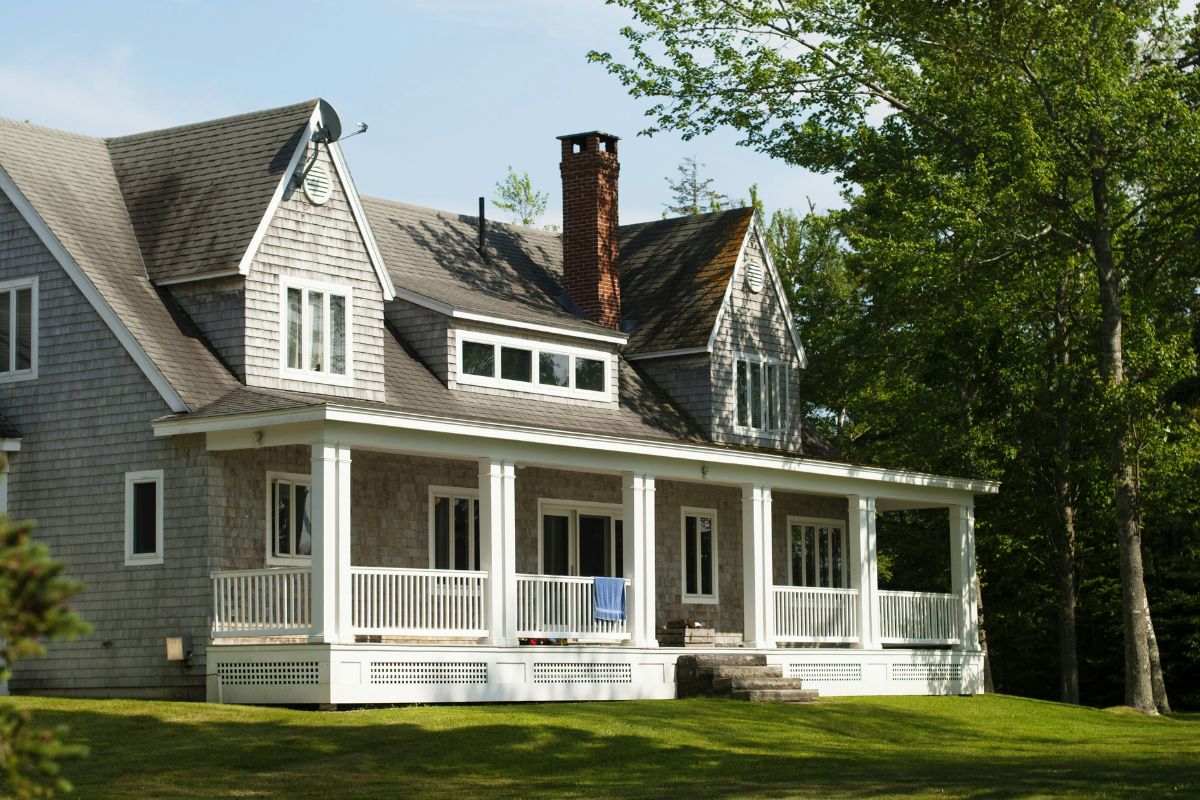
The allure of historical homes lies far beyond their picturesque facades. They are living testaments to bygone eras, each with its own unique blend of architectural styles and storylines.
However, maintaining these relics is a commitment laden with challenges. Without a careful approach, the character and integrity of these homes face unprecedented threats.
Dedicated homeowners must act as vigilant stewards, ensuring these residences stand the test of time.
Understanding the Historical Context
Preserving a historical home requires more than just surface-level renovations; it demands a deep understanding of its historical context.

From Victorian to Colonial, each style encapsulates the essence of its time. This awareness is crucial in making informed decisions about restoration, from the choice of materials to the color palettes used. Ignoring these cues can lead to disrupting the home’s narrative.
When understanding the historical context, it’s vital to appreciate the cultural and social influences that shaped architectural design.
For instance, the Arts and Crafts movement embraced simplicity, functionality, and local materials, reacting against the industrialization of the era.
Recognizing such influences helps homeowners maintain the authenticity of their homes, ensuring every restoration is a thoughtful homage to the style’s principles.
Addressing Structural Challenges
Many historical homes harbor hidden structural challenges that can compromise their integrity.
Over time, foundations may settle, and wooden beams might succumb to rot or termites, creating both safety and preservation concerns.
Regular inspections by a professional who specializes in old structures can preempt disasters. Remedial action should respect the house’s original framework, maintaining its grace while reinforcing its strength.
Uncovering these structural issues can also offer opportunities to unveil hidden features. Hidden alcoves, forgotten fireplaces, or ornamental cornices may emerge when removing unsympathetic renovations carried out over the years.
Homeowners can embrace these discoveries, enhancing the house’s historical authenticity while adding layers to its narrative and visual appeal.
While maintaining the historical charm of such homes, it’s also important to consider seasonal upkeep to preserve their external elegance.
Utilizing resources like a trusted exterior painting company in Phoenix, such as Crash of Rhinos Painting, ensures the best results and that the overall aesthetic and durability of the house’s facades remain in harmony with its historical roots.
Incorporating Modern Comforts
That said, old homes need to adapt to present realities for continued functionality. Upgrading with modern systems—like heating, plumbing, and electric wiring—requires finesse.
Homeowners must integrate these changes subtly to avoid marring historical elements. Solutions like wireless technology for security systems or hidden routes for cables can help maintain the historical essence without compromising modern conveniences.
Homeowners need to respect the original footprint of the home when adding contemporary utilities.
Placing these elements in less conspicuous areas or using reversible changes ensures that future generations can experience the house in its authentic state should they wish to do so.
Balancing adaptability and fidelity to the original design pays homage to the home’s storied history while meeting the demands of 21st-century living.
Choosing Authentic Materials
One of the defining features of historical homes is their construction from materials often unavailable today.
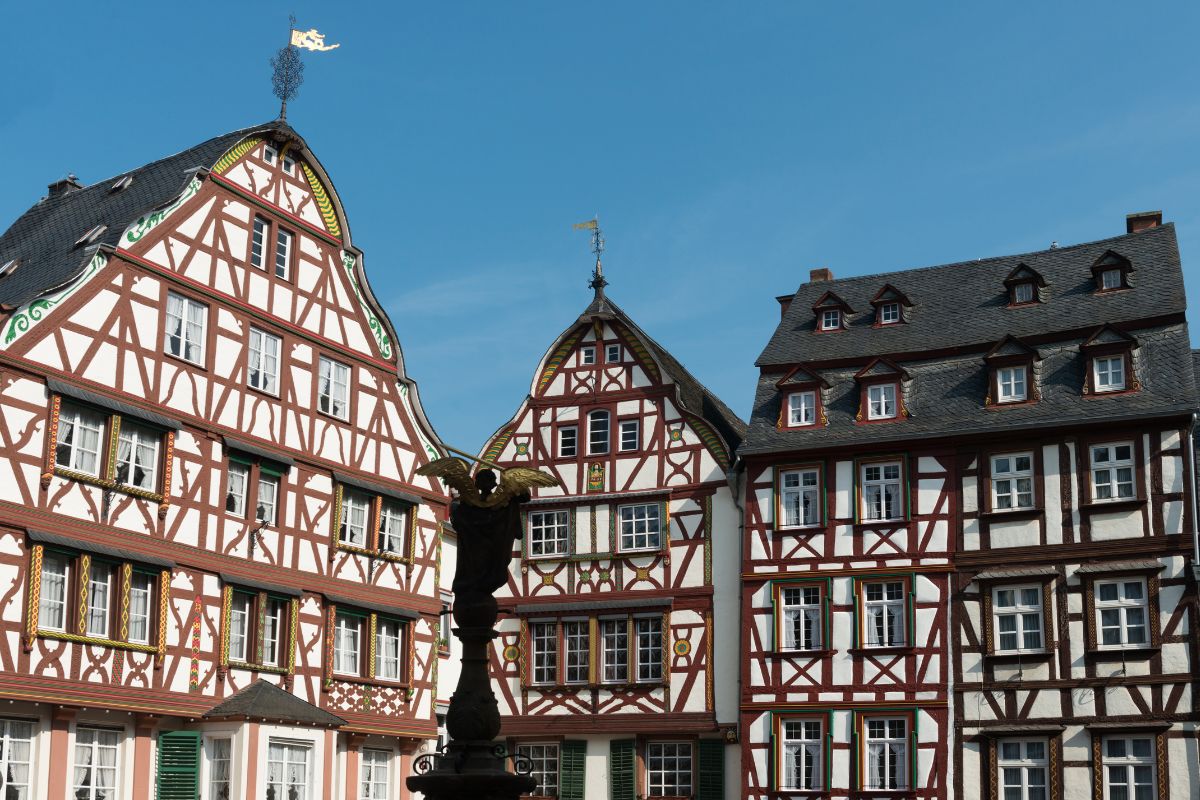
The patina of aged wood, the texture of hand-forged iron, and the cool touch of original stonework all enhance a home’s historical character.
When replacing or repairing features, it’s important to source materials that mirror these authentic elements. Modern substitutes can undermine the aesthetic continuity, diminishing the home’s genuine charm.
Sourcing authentic materials may sometimes involve working with artisans skilled in traditional methods to recreate missing components.
Crafting bespoke pieces can ensure that newer elements blend seamlessly with the older parts of the house.
Partnerships with local craftspeople preserve the house’s character and foster appreciation for age-old techniques, celebrating the craftsmanship that defined its original construction.
Involving Professional Expertise
While DIY might be tempting, historical homes call for a touch of professional expertise. Architects and contractors with a history of working on period homes bring indispensable insight and skill.
Their guidance can prevent missteps and ensure all improvements align with the house’s historical concept. A wrong modification can erase decades of history, while informed decisions refresh the property’s allure.
The Role of Local Regulations
Local historic preservation regulations can significantly impact the renovation process. Homeowners must navigate zoning ordinances and guidelines set by the preservation boards.
These often dictate what changes can and cannot be made. Understanding these regulations is pivotal in managing restorations without overstepping legal bounds.
Engaging with preservationists or neighborhood associations early can provide invaluable guidance.
Nurturing a Living Legacy
Owning a historical home is not just about preservation; it’s about nurturing a living legacy. These houses add value to streetscapes, telling stories that echo through generations.
They link us to the craftsmanship of past artisans, reclaiming an era when homes were a work of art to be revered, not simply inhabited.
Through careful stewardship, these dwellings will continue to be silently charming ambassadors of our collective past.
