

Key Takeaways
- Real estate wire fraud (BEC) uses fake “updated wiring instructions” to steal client funds during closings.
- Hackers infiltrate email accounts through phishing, observe transactions, and strike at the most stressful moment.
- Warning signs include sudden wiring changes, urgent tone, poor grammar, or emails from free public domains.
- Always confirm wiring details by calling your agent or title company using verified contact information.
- Implementing SPF, DKIM, and DMARC with a strict “p=reject” policy prevents fraudulent emails from reaching clients.
- BIMI adds a verified brand logo to authenticated emails, helping buyers instantly distinguish real messages from scams.
- Stay alert, verify every detail, and never act under time pressure when transferring funds.
Email authentication plays a vital role in protecting real estate clients from wire fraud. One emerging standard helping with this is BIMI (Brand Indicators for Message Identification), which displays verified brand logos next to authenticated emails.
This visual verification helps recipients instantly recognize legitimate messages from trusted senders.
By adopting BIMI, along with other protocols like SPF, DKIM, and DMARC, real estate companies can reduce impersonation attacks and strengthen client trust.
Before initiating any transaction, always confirm wiring instructions through trusted channels and check BIMI to ensure the email’s authenticity.
So, What’s the Problem?
Buying a home should be one of the most exciting moments of your life. You՛ve navigated the market, won the bid, and are in the home stretch.
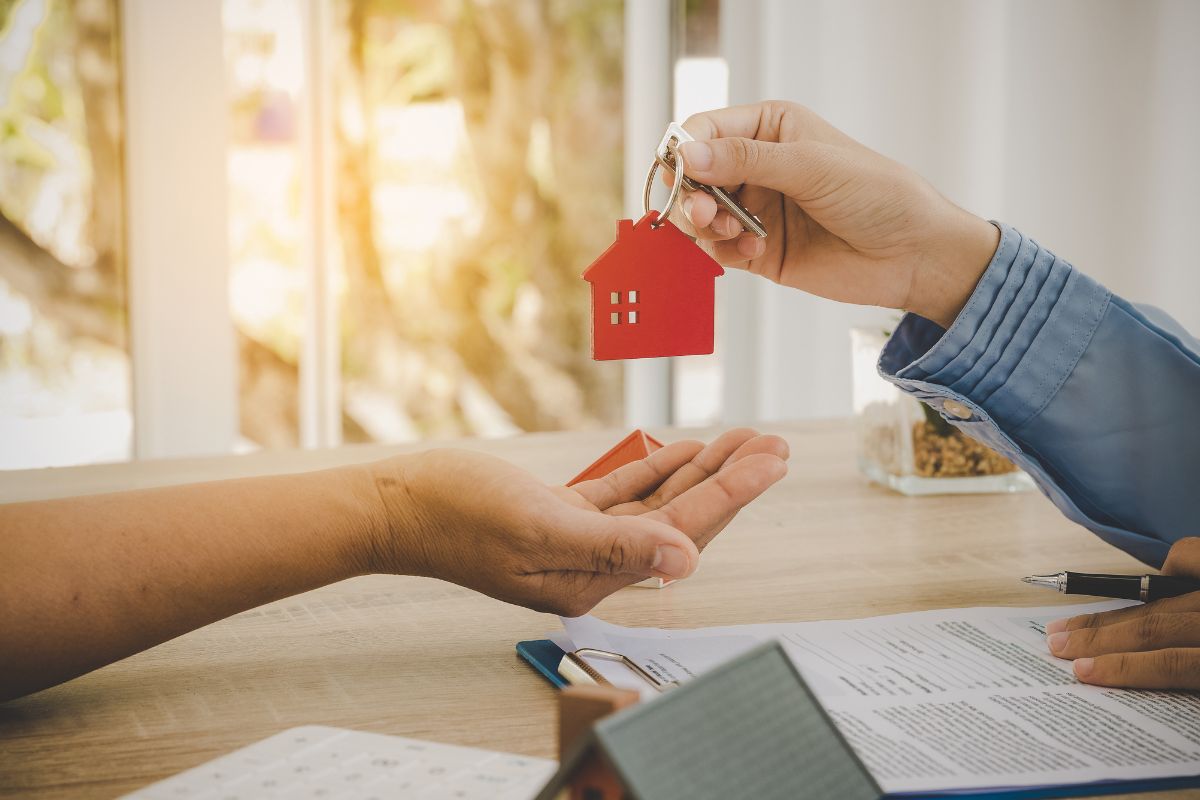
You՛ve packed boxes, signed a mountain of papers, and you՛re just waiting to wire that final, life-changing down payment.
Then, an email pops up. It’s from your agent (or so you think).
SUBJECT: URGENT – Updated Wiring Instructions for Your Closing
The email looks perfect. It has the right logos, the right signature, and it uses all the right terms. It says there’s been a “last-minute change” or “a revision to the file,” and you need to send your closing funds to this new account number. Right away. Or the whole deal could be delayed.
STOP. Do not click. Do not reply. And absolutely do not send anything.
This is the classic, devastating scam known as Business Email Compromise (BEC) or wire fraud. It costs home buyers their entire life savings every single day.
For real estate professionals, it’s a number one security priority to ensure this never happens to their clients.
Let’s pull back the curtain on how this scam works, what red flags to look for, and what can be done to stay protected.
What is RealEstate Wire Fraud? (And Why It’s So Deceptive)
This isn’t your average spam email. It’s a highly targeted, patient, and precise attack.
Here’s the fraudster’s playbook:
- They Infiltrate: Long before you’re at closing, a hacker gains access to an email account from someone in the transaction. It could be the agent (on either side), a loan officer, or a title company employee. This is often done through a simple phishing email that an employee clicks.
- They Watch: Once they’re in, they don’t do anything. They just sit, read, and wait. They learn your name, your spouse’s name, the property address, your closing date, and the estimated amount of your down payment. They are building a perfect profile.
- They Pounce: At the last possible second, when you’re at your most stressed and most anxious to get the deal done, they strike. They create a new email that looks identical to a legitimate one.
- They Pressure: The email will always be urgent. It’s designed to make you panic and act quickly before you have a chance to think or verify.
- They Win: You, trying to be a good and responsible client, send your $50,000, $100,000, or more to the new account. That account belongs to the scammer. Once a wire transfer is sent and collected, it’s virtually impossible to get back. It’s often out of the country in minutes.
Your First Line of Defense: 5 Red Flags to Watch For
Scammers are good, but they almost always leave clues. Your best defense is a healthy dose of skepticism.
1. The “Sudden Change” in Instructions
This is the number one sign of fraud. Legitimate wiring instructions almost never change at the last minute. The account information you receive from your title company at the start of the process should be the only account you use.
2. High-Pressure Tactics and Urgency
Scammers want to stop you from thinking. Look for keywords designed to make you panic:
- “URGENT”
- “Act Now”
- “Closing Will Be Delayed”
- “Must Be Done Today”
Real estate firms will never pressure you into sending hundreds of thousands of dollars without absolute, multi-step verification.
3. Suspicious Email Details (Look Closely!)
This is where you play detective.
- The Sender’s Email: Look very closely at the email address, not just the display name. Scammers create “look-alike” domains that are one letter off. For example, [email protected] instead of the real [email protected].
- Public Email Accounts: Reliable real estate firms will never conduct official business from a Gmail, Yahoo, or other public email address. If an email about your transaction comes from [email protected], it’s a scam.
- Grammar and Tone: Look for odd phrasing, spelling mistakes, or an unusual tone. A scammer might use “kindly” or other phrases that feel just a little “off.”
4. “I’m Too Busy to Talk”
This is a classic social engineering trick. If you get an email or text with new instructions that says, “I’m in a meeting and can’t talk, just send the wire,” that’s a 100% sign of fraud. It’s a tactic to stop you from doing the one thing that will foil their plan: calling.
5. Suspicious Links or Attachments
“Click here to log in to the new secure portal,” or “Open the attached PDF for the updated instructions.” These are often links to steal your login credentials or install malware.
The Golden Rule of Wire Transfers: “Call Before You Wire”
If you remember nothing else, remember this. This is the most important, non-negotiable policy.
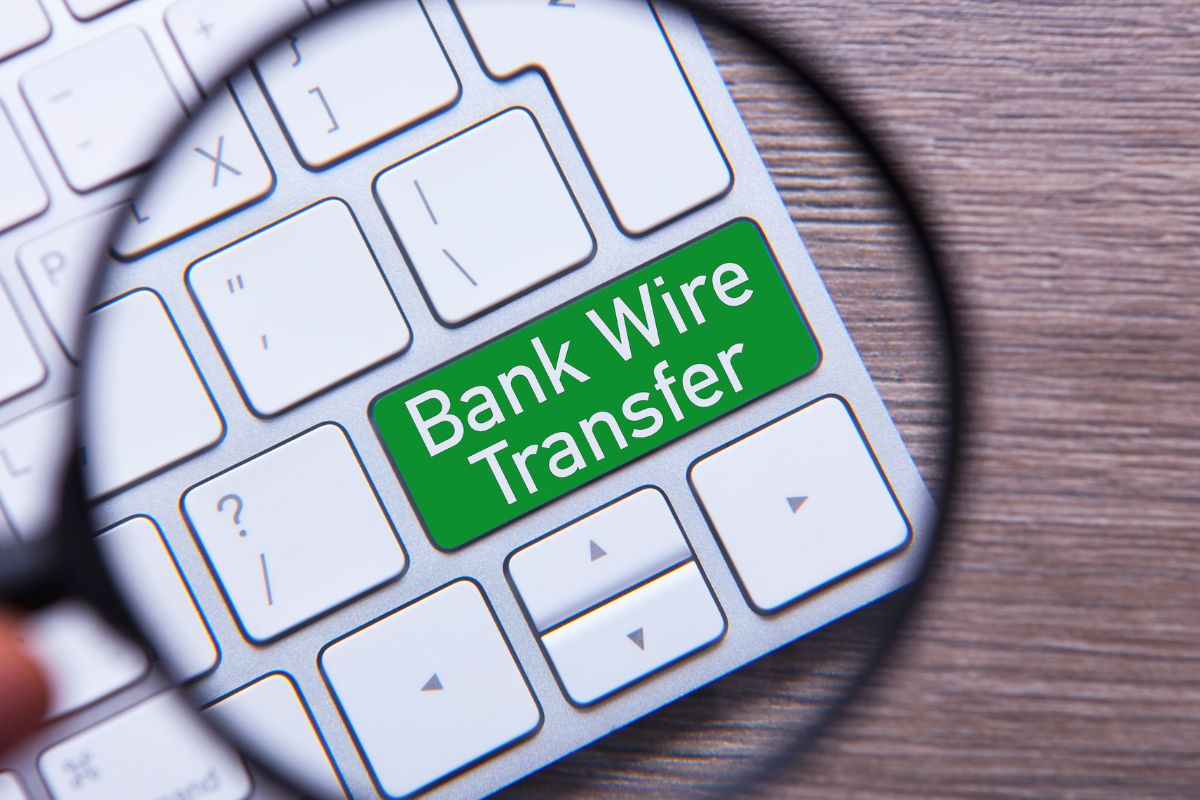
Before you ever initiate a wire transfer, you must call to verbally confirm the account details.
Crucial Security Step
- DO NOT use a phone number from the email you just received.
- DO use a trusted, verified number you already have for your agent or title company, one you got from their official website, your original (and verified) paperwork, or one you saved in your phone from the beginning.
- Call the real estate company and say, “I’m calling to verbally confirm the wiring instructions I received.” They will happily read the account and routing numbers back to you.
The safest practice is to hang up and call the real estate firm back on that same trusted number. This defeats call-spoofing technology.
How to Secure Your Transaction Behind the Scenes
While your “Call Before You Wire” step is critical, here’s what a professional real estate company does to protect you from ever getting that fake email in the first place.
1. They Use Secure Document Portals
They will never ask you to send your most sensitive personal information, like your bank account numbers, Social Security number, or driver’s license, over a regular email. Instead, they will use secure, encrypted document management systems for all sensitive files.
2. They Lock Down Their Accounts
Top firms pair strong account hygiene with an email authentication platform like PowerDMARC to continuously monitor senders, detect spoofing, and remediate issues before clients are impacted.
They enforce strict internal security. This includes using Multi-Factor Authentication on all their email and cloud accounts.
This means even if a hacker steals an agent’s password, they can’t log in without a second “factor,” like a code from their physical phone. This is a great defense against the “infiltration” step.
3. They Use Advanced Email Authentication (The “Digital Proof”)
This is the high-tech part, but it’s crucial. A good real estate firm should make it as difficult as possible for a scammer to “spoof” or impersonate our exact email address. They do this with a few technical standards:
- SPF: This is like a public “guest list.” They publish a record that tells the world, “Only emails from these specific servers are authorized to send on our behalf.”
- DKIM: This is a “digital signature” that gets attached to every real email the firm sends. It’s like a tamper-proof wax seal. If a hacker tries to intercept and change the email, the seal is broken.
- DMARC: This is the security guard that enforces the rules. When they set up DMARC with a strict DMARC policy like p=reject, it tells email providers (like Gmail, Outlook, etc.), “If you get an email that claims to be from us but it fails the SPF or DKIM check, reject it. Don’t even deliver it to the spam folder.”
- BIMI: This helps add a verified brand logo to authenticated emails, which enables the buyers to instantly distinguish real messages from scams.
These three can stop impersonation attacks before they ever reach your inbox.
Trust, But Verify: A Partnership for a Secure Closing
Real estate firms take email threats very seriously. They often invest in the technology, the training, and the policies to build a secure fortress around your transaction.
All you need to do is be their partner in this. Be skeptical, trust your gut, and never let anyone rush you. Always check information and ensure you never take action without thinking, not just twice, but several times, since you’re dealing with a huge amount of money.
Buying a home is a milestone. Let’s make sure it’s a safe one.
