
Some homes feel rooted, comfortable, and enduring from the moment you step inside. Others lose their charm quickly, shaped by styles that fade almost as soon as they arrive. A timeless home resists that cycle.
Instead of chasing what is new, it embraces design choices that are thoughtful, practical, and lasting. These homes stand the test of time through changing trends and shifting tastes.
Many of the principles behind them are practiced daily by design professionals, such as Poss Architecture and interior designers.
A Foundation That Connects to Its Surroundings
The most enduring homes begin with a profound understanding of their surroundings. A house should not sit on the land without context. It should rise from it, shaped by its environment and climate.
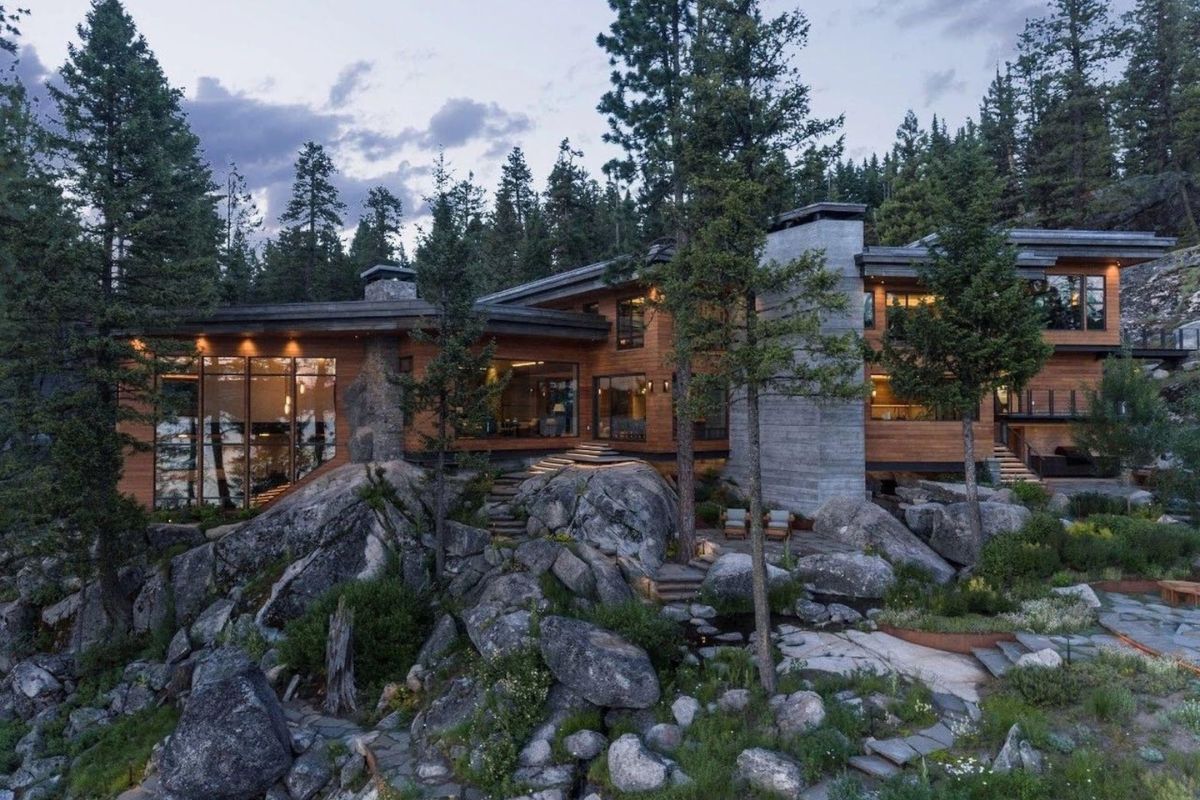
In mountain towns like Aspen, that might mean using materials like timber and stone, which echo the textures of the surrounding forest.
Roofs might slope to handle snow with ease. Windows might frame views of peaks and valleys, allowing nature to enter everyday life.
When a home responds to its surroundings, it begins to feel like it belongs. That sense of belonging is one of the earliest steps toward timelessness.
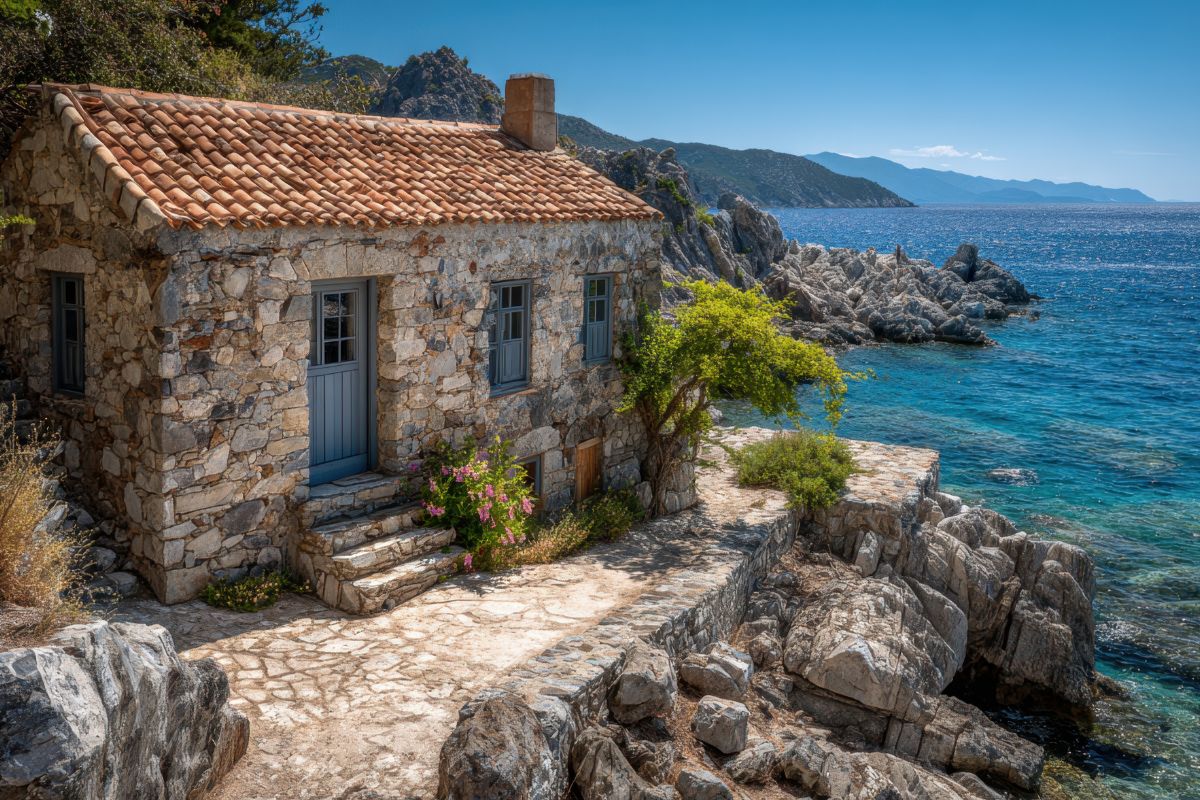
Whether it is a coastal cottage or a desert retreat, each location offers cues that good design listens to.
Interior Layouts That Prioritize Ease and Flow
Inside the home, lasting design begins with clarity. A timeless home rarely feels busy or confusing. Instead, it offers a smooth rhythm from room to room.
Open plans can help with this, but the key is thoughtful arrangement. Hallways that do not waste space, living areas that invite gathering, and private places that offer quiet; these are the foundations of a well-lived home.
When the layout supports how people move and live, the home adapts better to life’s changes. This adaptability is part of what keeps a home relevant through time. As needs shift, the design continues to serve, without major renovation or loss of comfort.
Choosing Materials That Age Gracefully
Material choice plays a significant role in whether a home stands up well over time. Surfaces that wear in rather than wear out can be beautiful for decades.
Wood, natural stone, clay, and metals like brass or copper all develop character as they age. These materials reflect use and life rather than hiding it.
Timeless homes avoid short-lived finishes or fragile details. Instead, they lean into strength and honesty. When a countertop looks better after ten years than it did on day one, that is a sign of a good decision.
These kinds of materials also tend to be more sustainable. They reduce the need for frequent replacement, which lowers cost and waste over time.
Color Palettes That Support Calm and Change
Color makes a strong first impression. In timeless homes, colors often lean neutral — soft whites, beiges, and warm grays are common.
These hues create a sense of calm and make a natural backdrop for layers of texture and personal pieces.
A neutral base is also flexible. It allows the home to grow and change as the owners do. A new rug, a bold piece of art, or seasonal decor can shift the feeling of a room without the need to repaint or refurnish.
This ability to evolve without a full redesign is part of what makes a home feel fresh, even as the years go by.
Lighting That Supports Both Day and Night
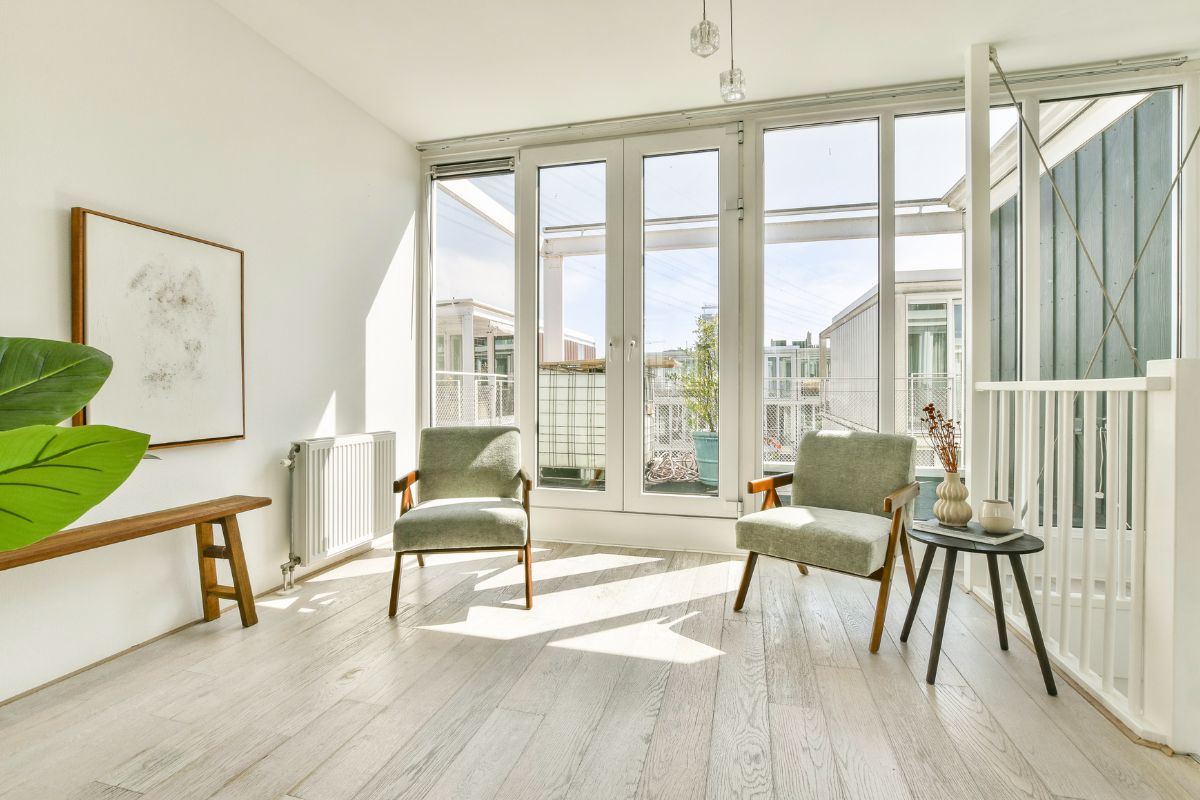
Light shapes every experience we have indoors. Timeless design pays close attention to it. During the day, homes should welcome natural light.
Large windows, glass doors, and well-placed skylights bring energy and connection. They help lower energy use and make spaces feel more open.
At night, artificial lighting takes over. The best homes offer layers of light. Overhead fixtures, task lamps, and subtle accents all work together to create a mood and function.
Whether preparing dinner, reading a book, or hosting guests, the right lighting plan supports the activity without distraction. Simple fixtures in classic shapes tend to retain their style and function for longer.
Details That Tell a Personal Story
A timeless home does not look the same as every other. It holds the imprint of the people who live there.
That might be a handmade table passed down through generations, a photograph wall that grows over time, or a favorite reading chair in the perfect corner. These details bring warmth and meaning.
Even the most elegant design benefits from a few imperfections. A slightly worn armrest or a rug that shows its age can be comforting.
They remind us that homes are meant to be lived in, not only looked at. When a house holds memories in its materials and layout, it becomes more than a building. It becomes a part of the family’s story.
Flexibility That Lasts Through Life’s Changes
The needs of a household change. Children grow, hobbies develop, and work may come home with them. A timeless design welcomes those changes with grace.
Extra rooms that can be used as an office, guest room, or studio. Kitchens are designed for both daily meals and large gatherings. Spaces that can open for the company or close for solitude.
This kind of flexible planning does not rely on expensive gadgets or complex layouts. It starts with understanding how people live and grow.
When a home is built with this in mind, it remains helpful and comforting, regardless of the family’s stage of life.
