
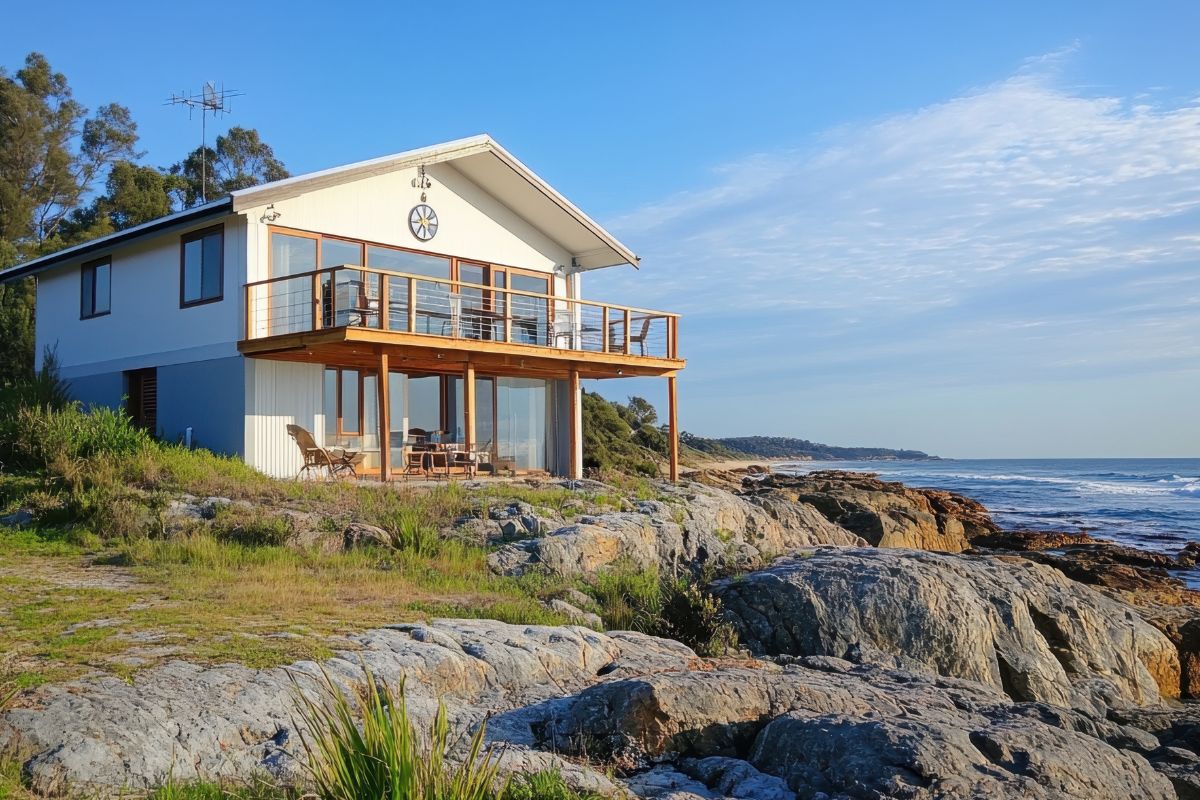
Living near the coast comes with undeniable perks—ocean views, sea breezes, and easy access to the beach. However, coastal weather can also pose significant challenges for homeowners.
High humidity, strong winds, heavy rains, and salt-laden air can gradually erode the structural integrity of your home if proper maintenance is overlooked.
Protecting your property requires a proactive approach that addresses vulnerabilities before they turn into costly problems.
In this article, we’ll explore essential home maintenance practices for coastal properties. From roofing to exterior surfaces, we’ll cover practical strategies to shield your home from the harsh effects of coastal weather while keeping it looking its best year-round.
Understanding Coastal Weather Risks
Coastal regions are prone to unique weather patterns that directly impact residential structures. Salt air is highly corrosive, which can damage metal components, fasteners, and even certain types of siding.
Moisture from rain and sea spray can promote mold, mildew, and wood rot, while strong winds can loosen shingles, damage windows, and uproot trees.
Even routine coastal storms can have cumulative effects over time. While it may seem like minor wear and tear, repeated exposure to these elements can compromise your home’s safety, comfort, and resale value. Recognizing these risks is the first step toward effective prevention.
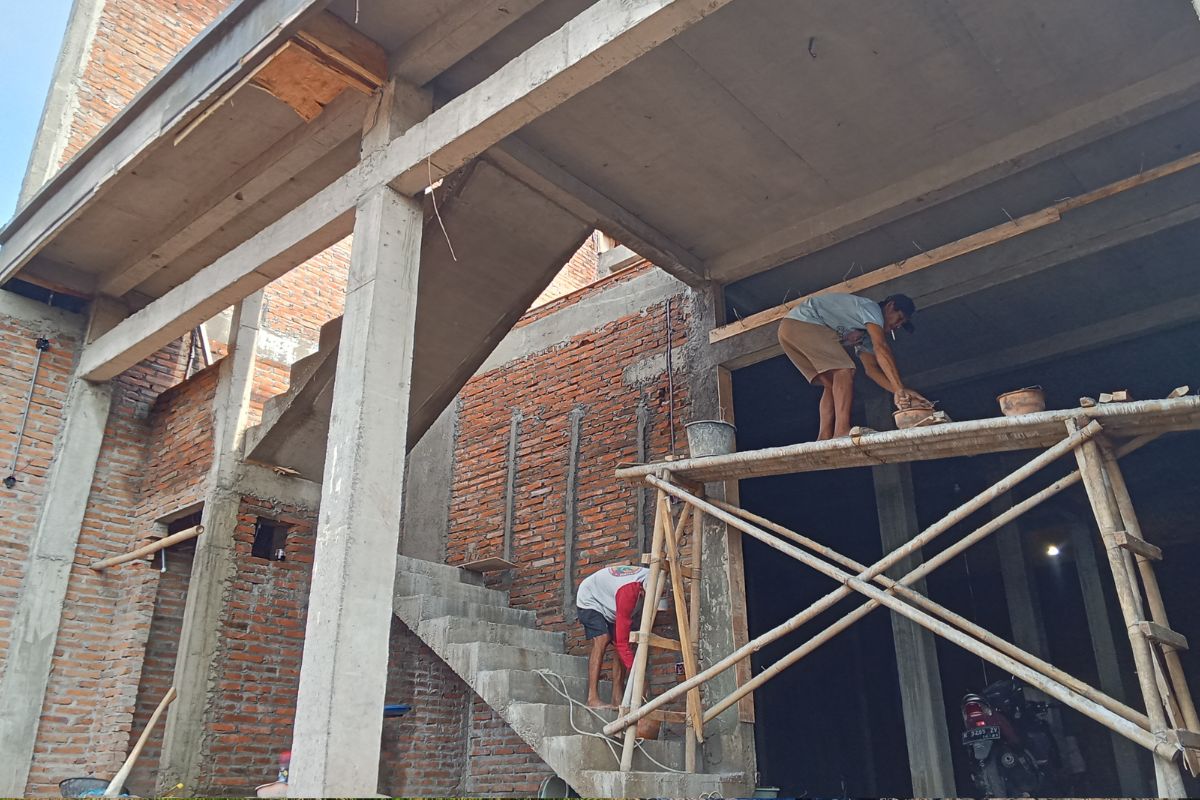
Roofs: Your First Line of Defense
Your roof plays a critical role in protecting your home from the elements. It shields your interior from rain, wind, and harmful UV rays while helping regulate indoor temperatures.
Coastal homes often face more severe roof-related challenges than inland properties, so regular inspection and maintenance are crucial.
Look for signs of wear such as curling shingles, rusted flashing, or missing tiles. Addressing these issues promptly prevents water intrusion and structural damage.
Hiring a trusted roofing contractor on the Treasure Coast ensures that repairs are done with materials and techniques designed to withstand coastal conditions.
Beyond repairs, consider protective coatings or sealants for metal roofs and high-quality underlayment for shingled roofs.
These small steps can dramatically extend the lifespan of your roof while minimizing the impact of storms and salt air.
Exterior Walls and Siding Maintenance
The exterior of your home is constantly exposed to wind, rain, and salt spray. Different materials respond differently to these conditions, but all require routine care.
Wood siding may need sealing or staining to prevent moisture penetration. Vinyl siding should be checked for warping or cracks. Stucco and brick can develop hairline cracks over time, allowing water to seep in.
Power washing the exterior once or twice a year helps remove salt deposits, dirt, and mildew buildup.
Be careful not to use high-pressure washing on older siding, as it can damage the surface. Regular painting or sealing also provides an added layer of protection against moisture and UV exposure.
Windows and Doors: Sealing Out Moisture
Windows and doors are vulnerable points in a coastal home. Salt air and moisture can lead to corrosion on metal frames, while wooden frames can swell, warp, or rot. Proper sealing and weatherstripping are essential to keep air and water out.
Inspect caulking around windows and doors at least twice a year. Replace any worn or cracked sections to maintain a tight seal.
Storm shutters or impact-resistant windows are a worthwhile investment in areas prone to hurricanes or tropical storms.
Even if extreme weather is infrequent, these measures help prevent minor leaks that could cause mold or structural damage.
Decks, Patios, and Outdoor Living Spaces
Outdoor living spaces are one of the joys of coastal life, but they also require ongoing maintenance.
Wooden decks are especially susceptible to moisture, which can lead to rot, splintering, and insect infestations. Applying sealant or stain annually helps maintain durability and appearance.
For concrete patios or pavers, inspect for cracks or erosion. Salt air and frequent moisture can degrade these surfaces over time.
Routine cleaning and prompt repairs prevent minor issues from becoming major problems. Don’t forget furniture and fixtures—metal components should be checked for rust, and fabrics should be resistant to mold and mildew.
Plumbing and Water Systems
High humidity and salt can accelerate corrosion in plumbing systems, particularly outdoor faucets, irrigation systems, and sprinkler heads.
Inspect pipes for leaks, corrosion, and wear regularly. Consider installing corrosion-resistant materials like PVC or PEX for exposed plumbing.
Water drainage is another critical factor. Ensure gutters, downspouts, and French drains are clear of debris.
Proper drainage prevents standing water around your home’s foundation, reducing the risk of flooding, wood rot, and soil erosion. In coastal areas, even small adjustments to drainage can prevent costly long-term damage.

Landscaping Considerations
Coastal winds and salty air affect not just your home, but your landscaping as well. Choose plants that are salt-tolerant and can withstand strong winds.
Trees should be planted at a safe distance from the house to prevent branches from damaging the roof or siding during storms.
Mulching garden beds helps retain moisture while protecting roots from saline buildup.
If erosion is a concern, consider ground cover or retaining walls to stabilize soil. Proper landscaping is both functional and aesthetic, enhancing your property’s resilience and curb appeal.
Routine Inspections and Maintenance Schedule
A structured maintenance schedule is key to long-term coastal home protection. Inspections should be conducted at least twice a year, ideally in spring and fall.
Focus on areas most exposed to the elements, such as the roof, siding, windows, and outdoor living spaces.
Document any findings and schedule repairs promptly. Delaying maintenance often results in more expensive and extensive repairs later.
Small, consistent efforts not only preserve the home’s value but also reduce stress during storm seasons.
Preparing for Severe Weather
Even with regular maintenance, coastal homes can face severe weather events such as hurricanes or tropical storms. Have a preparedness plan in place.
Reinforce doors and windows, secure outdoor furniture, and trim weak branches from trees. Keep essential supplies and tools handy for post-storm cleanup.
Being proactive minimizes property damage and ensures the safety of your household. Coastal living requires a balance of enjoyment and vigilance, and preparation is an integral part of responsible homeownership.
Conclusion
Protecting your home from coastal weather is an ongoing responsibility. From the roof to the foundation, each component of your home requires attention to withstand the harsh coastal environment.
Routine inspections, preventive maintenance, and timely repairs are essential strategies for preserving your property’s safety, functionality, and appearance.
By addressing vulnerabilities early, investing in high-quality materials, and following a structured maintenance plan, you can enjoy the beauty of coastal living without compromising your home’s longevity.
Coastal weather is a challenge—but with the right approach, it’s one your home can weather gracefully.
