
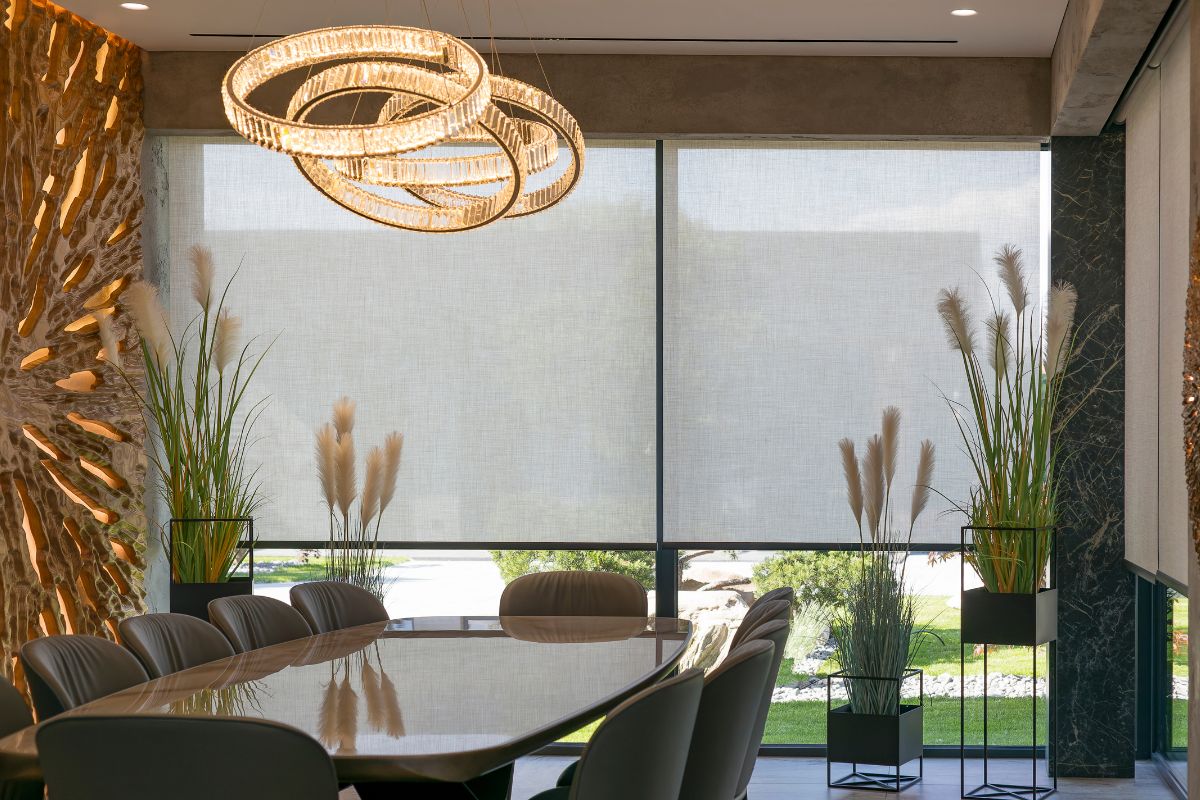
The smart window systems are changing the lives of residential and commercial rooms in terms of privacy, light and energy saving.
Smart windows enable the use of glass to be either transparent or opaque, or one that can switch between being transparent and opaque, or a piece that can regulate light transmission at a touch button.
Nonetheless, having various technologies and settings, selecting the appropriate smart window system is a task that has to be evaluated. This article provides a general overview of how to choose the right smart window system.
Things To Know While Choosing The Smart Window System
Understanding The Different Smart Windows Technology
The initial stage of the process of choosing the appropriate smart window system is the knowledge of the technologies available. PDLC smart windows are extensively utilized in offering instant privacy.

The glass becomes transparent when it is turned on, and opaque when it is turned off. Electrochromic smart windows slowly color as they react to voltage.
They are frequently employed in the exteriors and on fronts, as well as in exterior windows, to curb glare and heat gain.
The thermochromic systems are automatically temperature-controlled without electricity and therefore are suitable for passive energy control.
Consider Light Control and Privacy needs
The smart windows differ in the effectiveness of light and privacy management. There are those systems that are fully opaque and those with partial translucency.
When the glass is in its opaque state, it should be evaluated on the extent to which the amount of light transmission can be accepted.
In spaces that heavily depend on natural light, it is important to select a system that will allow the space to be bright but still have privacy.
Assess Installation Requirements and Compatibility
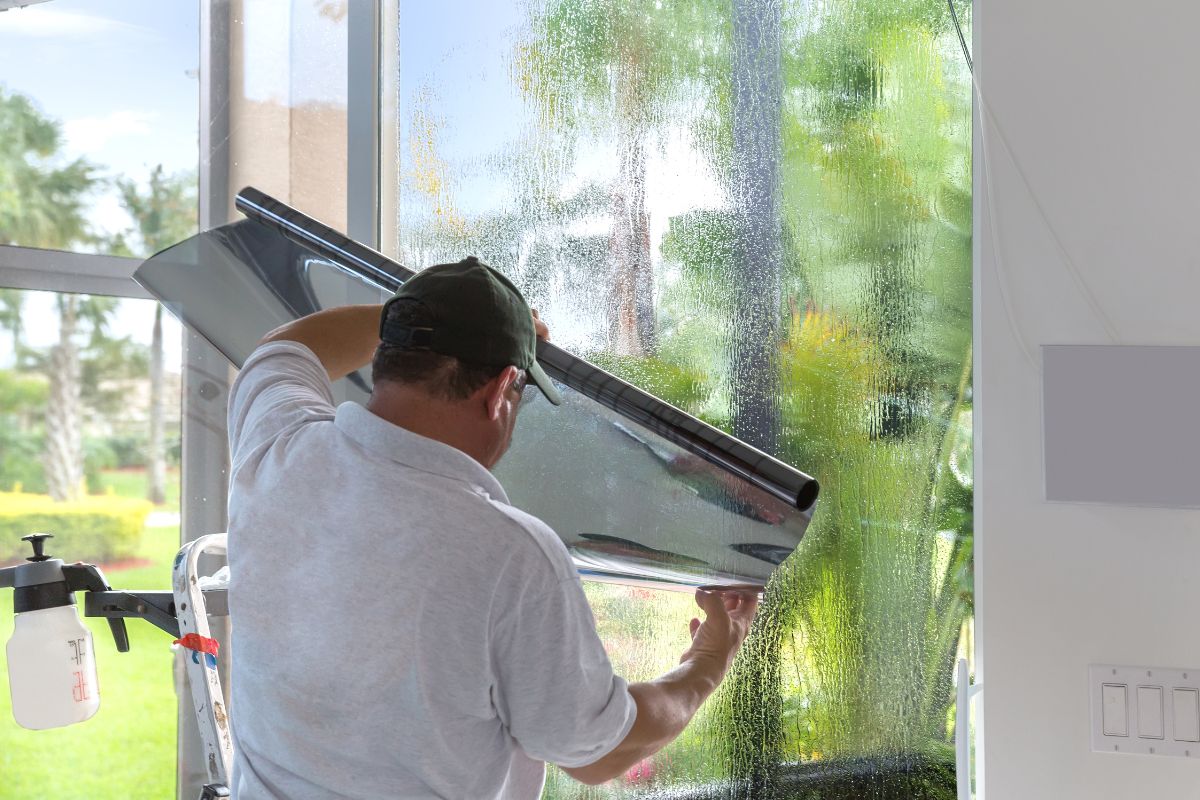
The installation of not all smart window systems is the same. Others involve substituting the pre-existing glass panels, whereas others can be retrofitted with the help of smart window film, traced on the already existing windows. Other factors to be considered are electrical requirements, wiring and control systems.
There are smart windows that work through wall switches, remote control, or smart house automation. The compatibility with the existing infrastructure is an easy way to install and also benefits the user experience.
Assess Energy efficiency and performance
Smart window systems have a major advantage of energy efficiency. Some of the technologies minimize heat accumulation, glare and air-conditioning dependence, particularly in hot or tropical conditions.
The solar-control smart windows and the electrochromic windows are effective, especially in controlling energy management in huge buildings.
Energy-efficient systems may be more expensive in the short run; however, in the long run, they can be extremely beneficial in terms of saving money.
Consider Cost and Long-term value
Although cost is a crucial aspect, it is to be considered together with long-term value. Less expensive systems cannot be so durable, clear, or warranted.
A smart window system is more costly but of higher quality, and is likely to provide superior performance, aesthetics, and durability.
By asking to receive detailed quotations and knowing what is included, i.e., installation, controls, and support, one can compare the options properly.
Emphasis on Maintenance and Durability
Maintenance and durability cannot be left aside. Intelligible window systems should be able to resist frequent use, cleaning and environmental factors.
Good systems must be able to withstand moisture, humidity, and UV light, and are therefore available to last over a long period.
To prevent costs that are unforeseen, it is important to understand the warranty, anticipated life and the necessary maintenance. Clear instructions should be given on care, servicing and after-sales support by reliable suppliers.
Conclusion
The correct selection of smart window systems entails a balanced decision that takes into consideration the aspects of technology, application, performance and long-term gains.
A properly selected smart window system not only makes a space modern but also can introduce value and functionality that can be used later on in life.
