
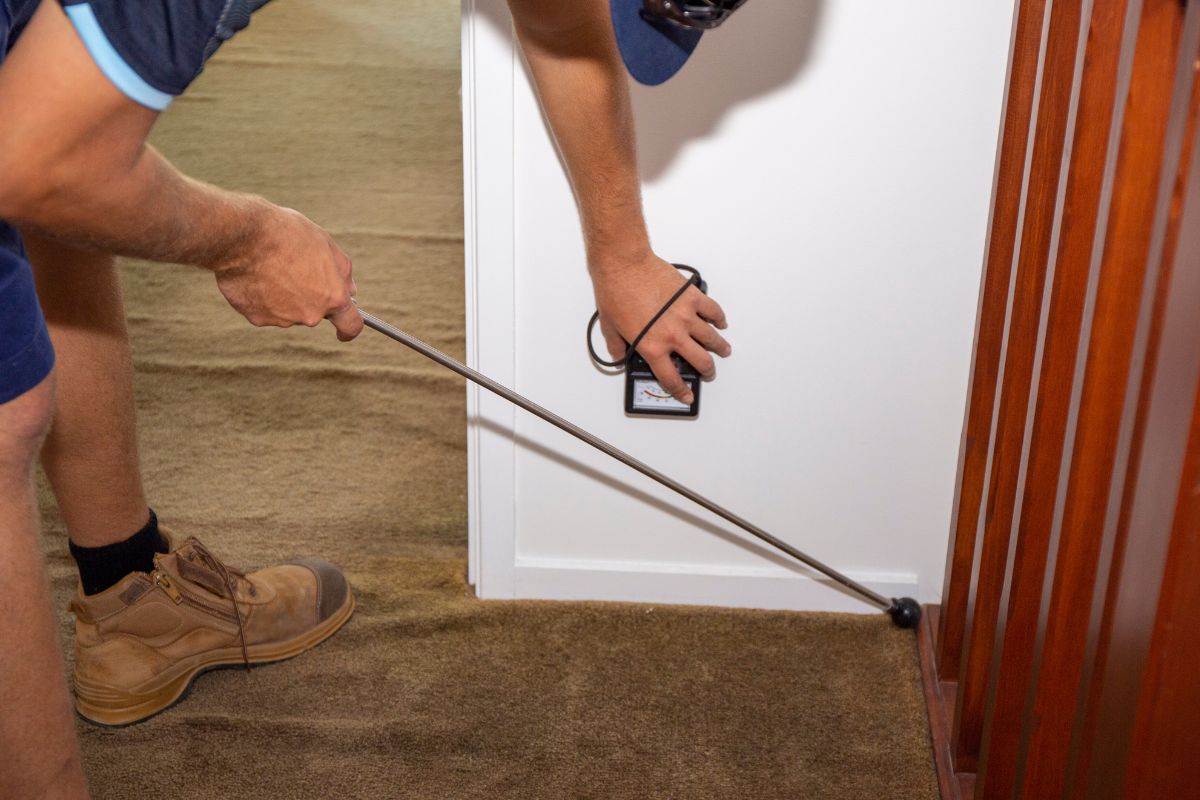
A termite treatment visit is an essential process to ensure that your property is not damaged in terms of its structure and financial loss in the long run.
Although most of the homeowners know the need for professional treatment of termites, the ignorance as to how the treatment will be done usually leads to unnecessary apprehension.
For more information, click on termites control Singapore. Prior knowledge of what to expect during a visit for a termite treatment is likely to make you prepared for the process and make it smooth and effective.
This article provides a general overview of what to expect from professionals during a termite treatment visit.
Things to expect during a Termite Treatment visit
The Preliminary Inspection and Evaluation
Trained pest control professionals will thoroughly inspect the inside and outside of the structure for any signs of termite activity.
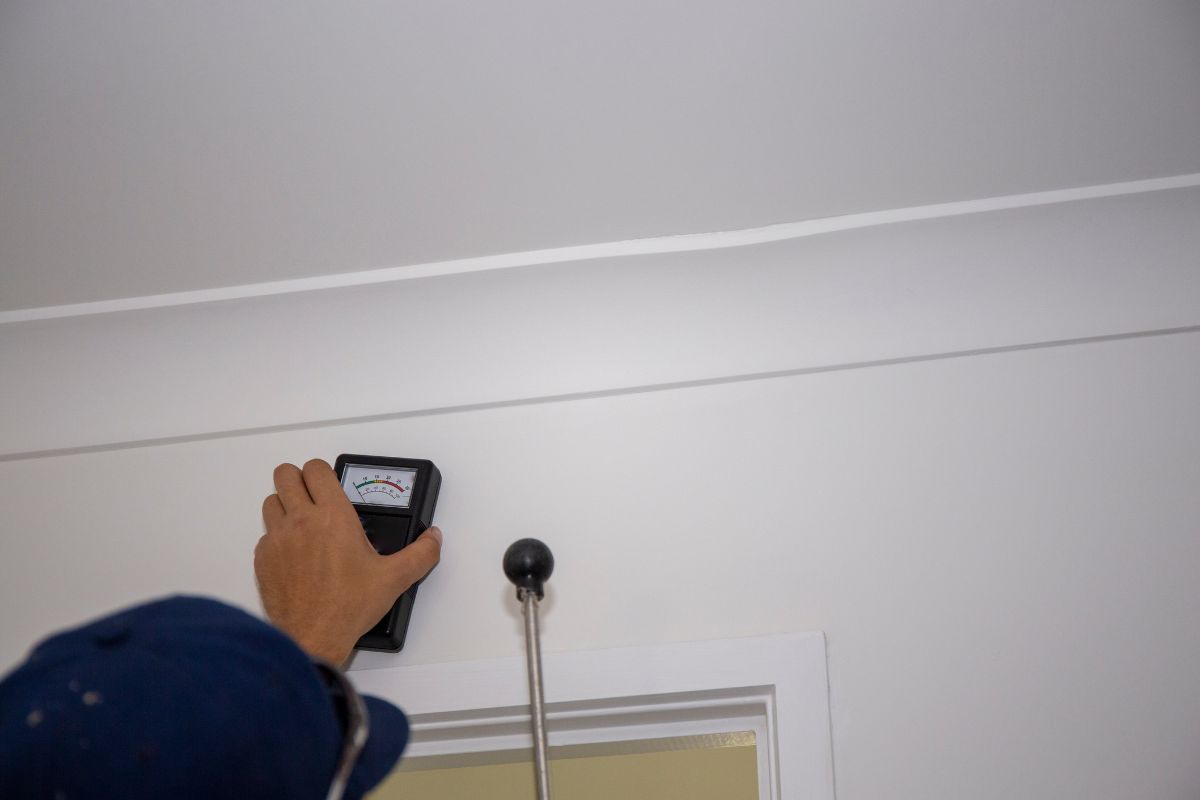
A thorough inspection will include inspecting any wood structures, wall cavities, foundations, basements, crawlspaces, and areas where moisture can accumulate.
The inspection will provide information about an infestation’s severity, species of termites present, and methods available for control of the infestation.
Creating a Treatment Plan
The technician will explain to you in an understandable yet professional manner the method that he/she is going to use to treat the termite infestation.
This will include information on the methods used, such as soil treatments, baiting systems, or corrective treatments.
The technician will also inform you about the different types of chemicals and materials that will be utilized during the treatment process and provide an estimated length of time for completing the treatment.
Maintenance of the Treatment Area
Preparing the treatment area may involve removing items blocking access to the treatment area, drilling small holes into targeted areas, or wherever the termiticides will be applied.
In a soil treatment, the technician will prepare the entire perimeter of the home’s foundation to ensure that a barrier is created for the purpose of implementing a chemical barrier.
Professionals pay attention to the minimum disturbance of the property and make sure that all the preparatory work is carried out in accordance with safety and environmental standards.
Termite Treatment Application
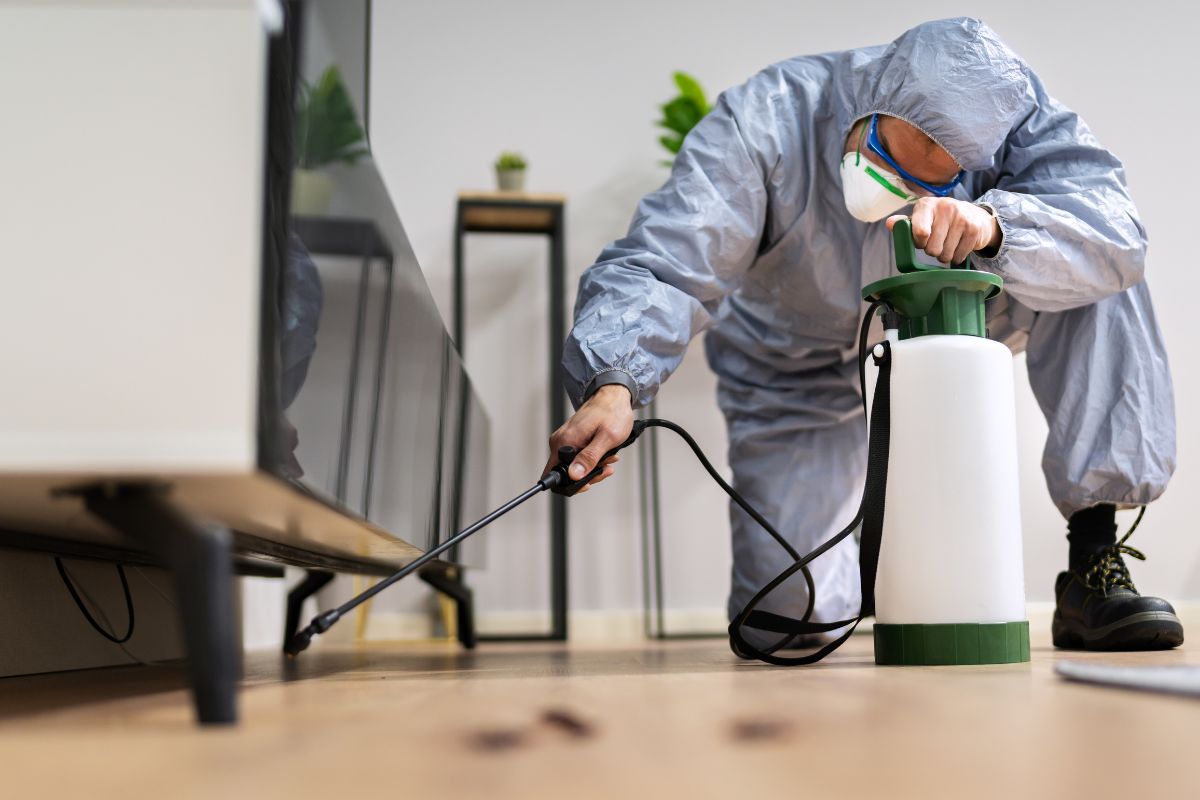
The essential part of the visit is the implementation of the termite treatment. This can be in the form of injecting termiticides in the ground, placing bait stations, or providing specific treatment to the wooden buildings.
The treatment of the soil especially forms a protective layer of chemicals that will not allow the termites to find their way into the building through the ground.
Specialised equipment is also used by technicians so that their application is accurate and uniform, as this is critical for long-term effect.
Safety Measures and Compliance
Termite treatment company members are also professionals who adhere to high safety standards during the visit.
Homeowners can be recommended to temporarily evacuate the areas or not to come close to the treated areas for a week or so.
All procedures are performed according to the existing rules and industry standards, which makes them effective and safe.
Documentation and Warranty Information
An effective treatment visit to termites is normally completed with effective record-keeping. This will have a report of service which details the work carried out, the type of chemicals, and the areas covered.
Where necessary, the warranty or service guarantee is explained, as it gives them confidence of a follow-up in the event of termite activity in the future within the scope of the warranty or service guarantee.
This is a valuable documentation that can be used during property sales or inspections to preserve property records.
Conclusion
A visit to the treatment of termites is a well-organized and controlled activity aimed at eliminating the infestations of the organism and preventing future destruction.
The involvement of competent specialists and adherence to their instructions will help not only to control the pest but also foster the stability and integrity of the house.
