
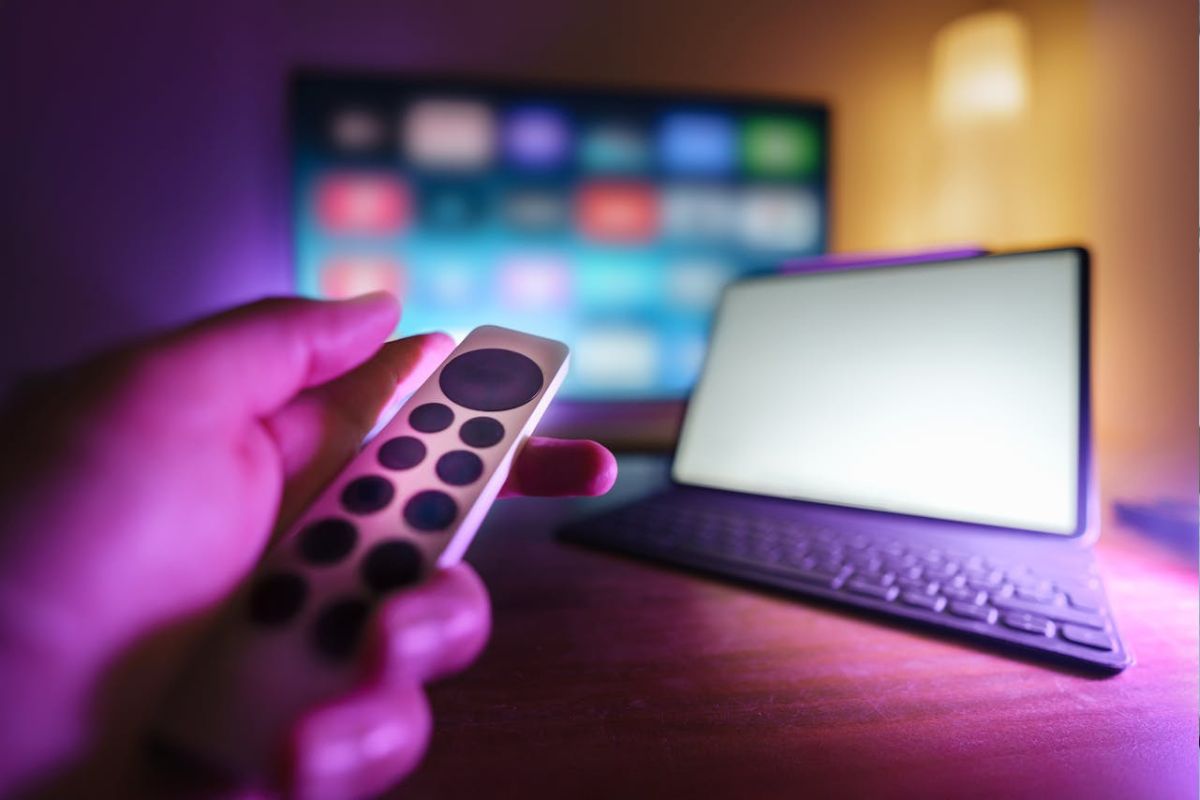
Planning successfully transforms an empty basement or bonus room into a profit and pleasure machine.
Committed theaters today have increased prices, offering time and quicker closing as they now guarantee turnkey leisure.
The memory imprints, like the high-definition screens, the engulfing sound, and the accommodating formats, construct the moments and raise the equity gently.
All of its design, including the wiring and lighting, is aimed at making prospective buyers have an immediate emotional response. When such a bond is established, the owner will get the upper hand in sale negotiations.
The Resale Power of a Purpose-Built Entertainment Space
An entertainment room constructed with a view to sell later usually fetches back around 65% of the installation cost. The industry reports this outcome regarding resale value recovery.
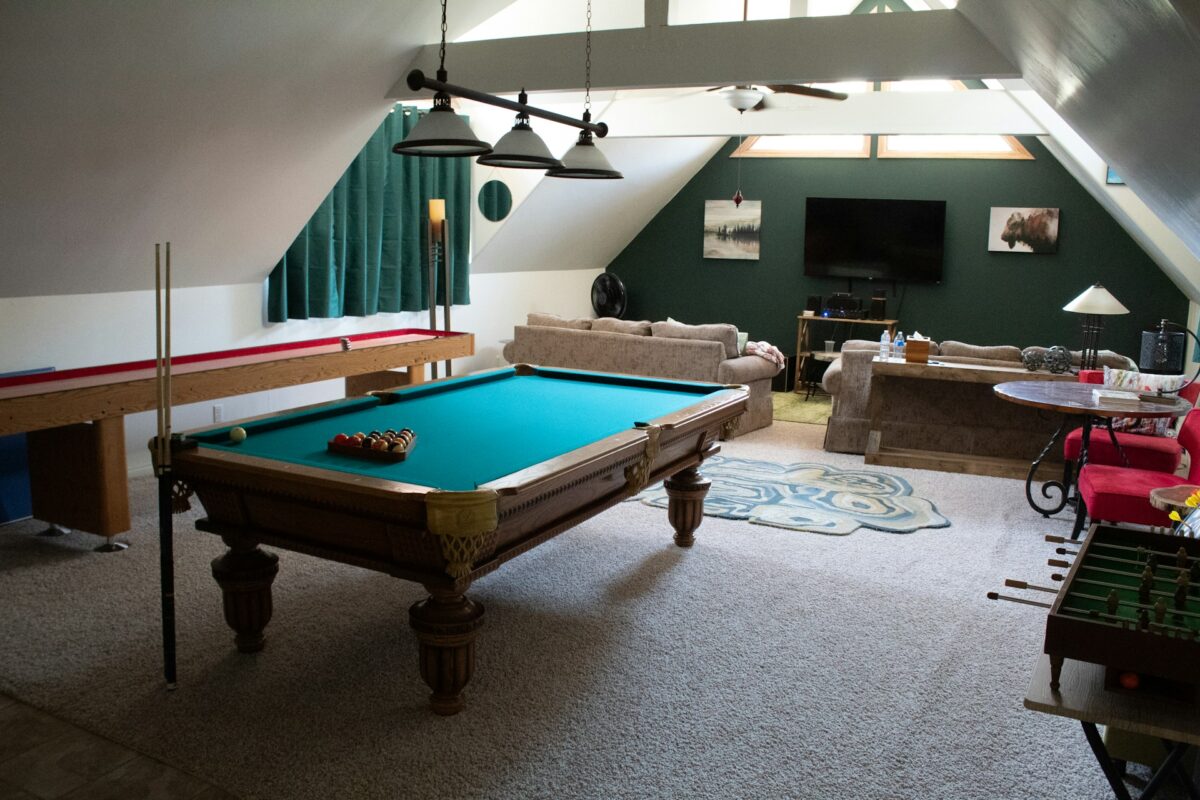
Many buyers are willing to pay 10-20% more than the listing price. This happens when a completely outfitted theater is mentioned there.
Such a ratio of actual and abstract profit transforms what appears to be a luxury into a rational measure. Multi-purpose wiring can be used to enhance performance during movie nights and during slower times.
This configuration also grants residents a chance to explore Bitcoin slots without any lag or losing the signal.
Specific screens can display live odds of Sportsbet next to the action. This capability directly aligns with the growth in online sports streaming.
Good photography increases online traffic, as professional theater photos can be sold 32% faster. Considered staging also reduces days-on-market and shrinks the breadth of price renegotiation.
Designing for Diverse Entertainment
The audience of modern times divides its time between motion pictures, e-sports, and live sports.
Digital sports viewership on live broadcasting creeps ahead of the old broadcasts and keeps increasing.
One room should thus be in a perpetual position to deal with concurrent 4K streams, console tournaments, and data-intensive dashboards.
Dual-zone sound allows users to carry on a discussion around a snack bar. The play-by-play at the seats remains clear.
Latency-sensitive games such as team-based first-person shooters never worry about their performance with Ethernet backbones versus Wi-Fi.
A variety of screens at different heights avoids neck craning whenever there is a replay of an event.
Flexible furniture follows the screens to give out different stadium-like rows in a few minutes to the conversational lounge. All indications speak of longevity since media behavior changes rapidly.
Picking the Perfect Space and Layout
The dimensions of great projects have advantages in terms of acoustics and sight lines. The footprint of about 12×16 ft is larger than the minimum without costing budgets.
The golden ratio softens standing waves and expensive equalization. It uses height, width, and length measured 1:1.28:1.54.
Rectangular rooms are better than squares because the sound with side reflections has a later arrival and is tamer. The entrance should be placed at the back.
That will ensure the front walls are free of the screens and speakers. Cables are concealed behind baseboards with conduits that still allow upgrades.
Fan noise is eliminated, and floor space is saved as noise-producing parts are left in a closet outside the room.
Sliding doors also recover some footage that a swinging door would miss. Their frames are wider so that a wheelchair can enter them, expanding the pool of buyers.
Sound That Impresses and Contains
Sound sells the image before the image appears. An acoustic treatment applies absorbers and diffusing reflective surfaces across roughly 15% to 25% of the floor area. It settles echoes without dulling the sparkle.
Bass traps in the four corners level out low-end highs, so explosions sound taut instead of boomy. Resilient channels or clip systems separate the drywall from the studs, preventing vibration transmission to other rooms.
The envelope is complete with solid-core doors with perimeter seals, locking in movie thunder and keeping domestic peace.
Aiming for a 45-decibel reduction of the threshold makes it quiet in bedrooms when there are late shows. As soon as they enter the room, potential customers hear the silence, which they interpret as high craftsmanship.
Visual Tech That Future-Proofs the Room
Standards of display race ahead, but walls almost never go. 48-gigabit HDMI-rated conduit looks forward to 8K and 120-hertz content. 100- to 120-inch screens are in the sweet spot of price vs. depth.

Projectors can now have that scale within inches, with ultra-short-throw projectors great in shallow basements.
The use of motorized drop-down screens disappears during daytime staging, as they make the room versatile.
Laser light engines have an expected life of around 20,000 hours and no maintenance issues to quibble over.
Calibrated HDR also creates daylight scenes with more detail when the blackout curtains are open during walkthroughs.
This is simplified by using only one programmable remote or voice hub, which guests understand immediately.
Seating That Feels Like the Best Theater in Town
Comfort is retention, and retention is perceived worth. Multiple rows of tiered risers provide all the guests with a clear view. Prefabricated platforms are rapid to install and can be read like a custom in a photograph.
Lumbar-support recliners, built-in lighting fixtures, and USB charging ports help the session last well into the early hours.
Sectionals can convert between a family-friendly cartoon setup and a business-casual presentation format.
Long-lasting and non-staining fabrics make pet owners and parents confident. A 60-inch row-to-row turning circle would be accessible (and expand market penetration once more).
The cupholders are easy to clean before showings. They also include easily removable inserts, ensuring the leather remains in top condition.
Lighting, Ambience, and Smart Control
Lost glare causes the sound and picture to lose impact. The solution to the problem is layered lighting. The recessed fixtures provide overall lighting.
In contrast, biased LEDs placed behind the screen reduce eye strain in high-contrast scenarios. Path lights have low glare and allow foot guidance, saving inky blacks.
LED technology reduces electricity consumption by up to 75% compared to incandescent lamps. Voice requests or mobile taps activate smart switches, which make them both interesting and convenient.
When it’s not dinner time and natural light is welcome, blackout drapes disappear into ceiling pockets to come back.
Motorized shades synced to sunrise generate energy savings. This feature is another key point to highlight during tours.
Beyond Movies: Multi-Use Creativity
Diversity increases appeal. A fold-down fitness bench converts the floor into a morning gym even before usual working hours.
VR tracking sensors perform reliably against dark walls and open floor plans typical of theaters. They are especially effective when seats can be pushed aside.
Ethernet drops to desktop height, transforming the front stage to the transient remote office.
In yoga, the ceiling speakers can be used to play ambient music as the screen rests. The small, wet bar standing in the background of the seating provides refreshments without stopping a conversation.
Budgets, Return, and Staging That Sells
Installation rates range between approximately $2,000 and $42,000, depending on ambition.
After two consecutive years of stabilization, the median dedicated rooms in the custom segment now sit at around $62,500.
However, substantial middle theaters are priced at just over 20,000 and can hit cost recouping over 65%.
Quality photography has a significant impact on that return. Professional photos make products visible to buyers by over 100%, with sales speed being boosted by a third. High-quality listing photos force perceived value to over 30%.
Neutral paint, concealed cables, and a paused sports replay depict purpose without overcomplicating staging. Video reels also increase the appeal of captive audiences who skim.
Turning Entertainment into Equity
An entertainment room has two lives. First, it’s a dwelling to laughter, competitions, and late-night premieres. Second, it becomes a star in the sales story of the home.
People visualize their celebrations in an instant when the acoustics are absorbed. Screens dazzle, and seating invites extended gatherings.
The vision is converting to reduced marketing periods, aggressive offers, and easier closing.
Through combining immersive technology with easy adaptability, a formerly quiet corner of a home becomes an authoritative voice in the negotiation room. Pleasure today, profit tomorrow: the final scene writes itself.
