
Many restaurant owners believe that luxury requires extensive renovations or premium materials.
Yet, research from hospitality design groups shows that guests respond more to atmosphere, comfort, and visual coherence than to high price tags.
A dining room can feel elevated simply by improving how people experience the space. When customers notice smoother movement, thoughtful lighting, cohesive furniture, and a sense of calm, they interpret the environment as higher quality, even if the upgrades are modest in cost.
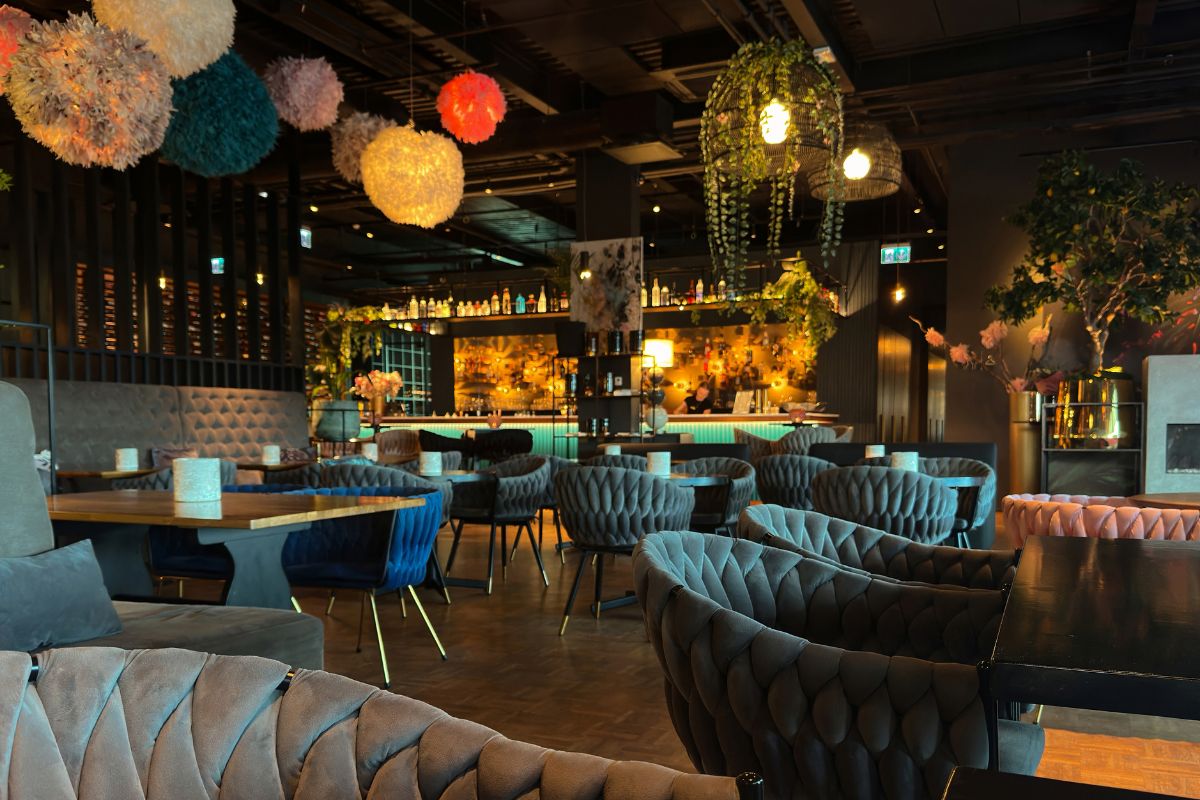
Many owners are finding that small additions such as upholstered dining chairs make an immediate difference, as the soft textures and supportive seating help guests feel cared for the moment they sit down.
Today, upholstered dining chairs have become one of the most reliable upgrades for restaurants seeking a luxurious feel without overspending.
Their plush surfaces add warmth, their silhouettes create a sense of visual softness, and their comfort encourages guests to settle in and enjoy longer meals.
Even mid-range upholstery options can dramatically shift the mood of a dining area, giving it a boutique-like quality that guests instinctively associate with higher-end venues.
Owners are becoming more strategic as consumer expectations rise. Diners now associate luxury with emotional ease rather than extravagance.
This shift benefits restaurants that want to enhance their interiors without committing to dramatic changes.
By focusing on design decisions that improve comfort, clarity, and overall flow, restaurants can create a premium feel that supports stronger guest satisfaction and more extended visits.
Use Texture and Material Contrast to Your Advantage
One of the most effective ways to elevate a space is through material contrast. Luxury does not come from using expensive materials everywhere but from choosing a few touches that add depth.
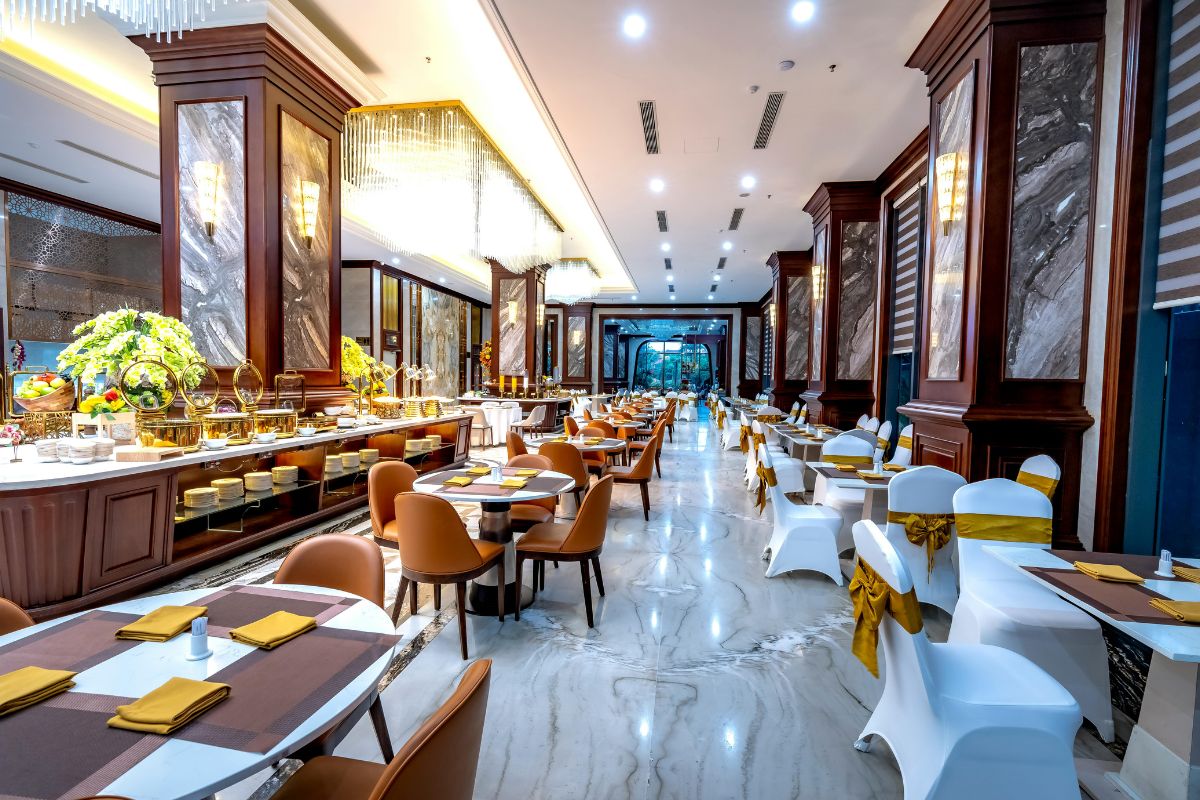
Many modern restaurants use a combination of warm woods, soft fabrics, and matte metals to create a layered look that feels intentional and inviting.
Restaurant chairs and restaurant tables often serve as the anchors of this visual strategy. Solid wood tops can instantly warm the room, while metal frames or legs introduce a contemporary edge.
Even small additions, such as higher-quality upholstery or refined edge details, can create a noticeably richer atmosphere.
These choices help guests feel that care has gone into the space, which often matters more than the materials themselves.
Strategic material upgrades that create impact
- Textured finishes that feel handcrafted, even on on-budget-friendly pieces
- Mixed materials, wood, metal, and fabric, to add visual sophistication
- Neutral tones that create a calm, high-end foundation
These touches strengthen the sense of luxury without stretching spending limits.
Improve Seating Variety to Add Comfort and Visual Depth
Luxury dining experiences often include more than one type of seating. Variety makes a space feel curated and gives guests options that match their mood or group size.
Recent studies in hospitality behaviour show that diners stay longer when they feel physically comfortable, which directly influences revenue.
Booths provide privacy, standard tables foster social openness, and counter-height seating introduces movement and visual contrast.
Swivel bar stools especially add value because they make casual seating feel smoother and more comfortable.
Guests appreciate being able to turn naturally toward conversations without shifting their entire chair, and that ease contributes to an elevated experience.
Seating upgrades that feel premium
- A mix of booths, tables, and counter seating for flexible comfort
- Swivel bar stools that offer fluid movement and a relaxed atmosphere
- Cushioned seats or backrests that subtly improve perceived luxury
This variety creates a curated, boutique feel that guests often associate with higher-end restaurants.
Use Lighting to Transform the Mood
Lighting plays a significant role in transforming an ordinary dining area into a refined space.
Many restaurants find that adjusting light temperature, height, and layering creates a noticeable upgrade without requiring new furniture or significant investments.
Warm lighting generally supports more extended stays, as guests tend to feel more relaxed and emotionally connected to the space.
Accent lighting around shelves, artwork, or bar areas offers subtle visual cues that guide attention.
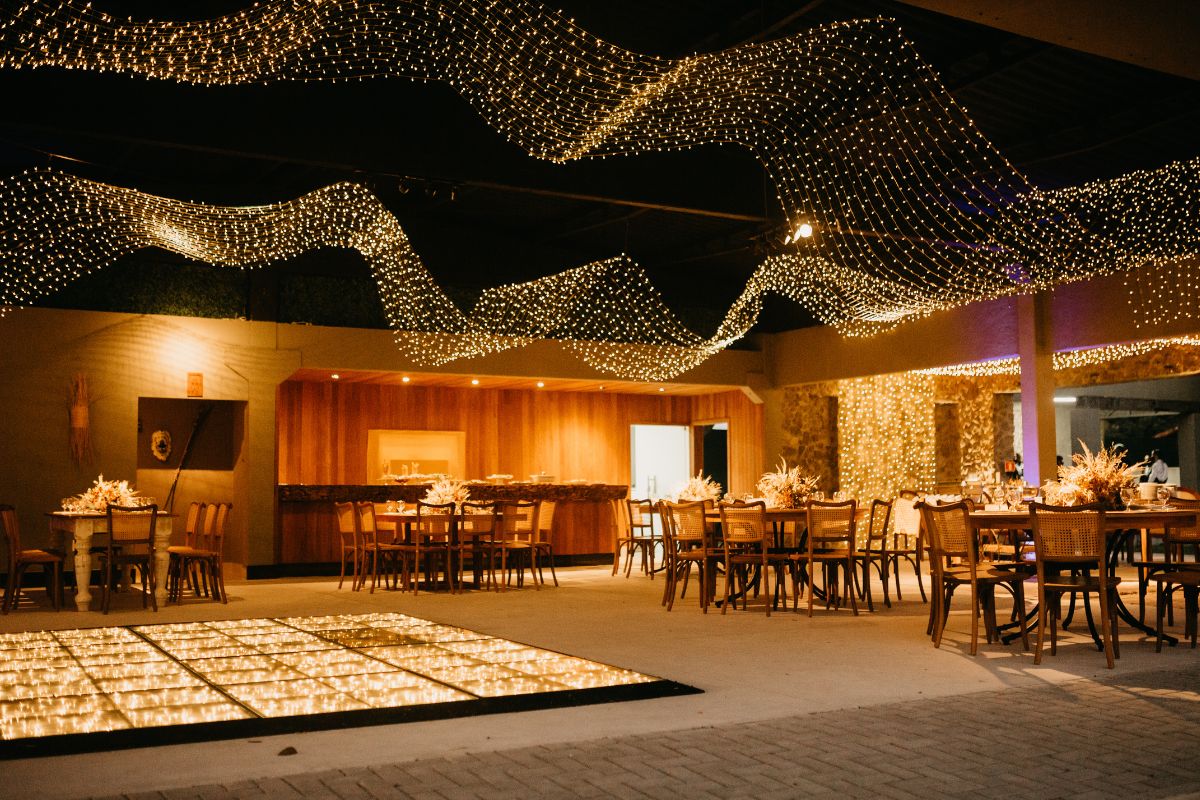
Even replacing harsh overhead fixtures with softer, diffused options can make the room feel instantly more luxurious. This technique is cost-effective and delivers a significant emotional impact.
Small Details That Guests Notice Immediately
Luxury often hides in the details. Even when budgets are tight, refining a few visible elements can elevate the entire experience.
Organized table settings, polished surfaces, well-maintained menus, and intentional décor contribute to an environment that feels cared for.
Guests interpret cleanliness and order as signs of quality, and these impressions influence whether they return.
Restroom upkeep, smooth traffic flow, and uncluttered service stations also contribute to a consistent message.
When everything appears thoughtful and cohesive, guests feel more confident in the restaurant as a whole.
The Quiet Power of Affordable Luxury
Enhancing a dining room without overspending is not only possible but increasingly common as restaurants focus on creating emotionally supportive spaces.
By choosing smart material upgrades, refining seating arrangements, improving lighting, and paying attention to subtle visual cues, owners can build an environment that feels luxurious without relying on high-cost renovations.
Elevated Experiences Through Thoughtful Choices
Making a dining room feel opulent doesn’t have to cost much. Instead, it depends on the choices you make that affect how visitors think from the moment they come in.
When a restaurant uses texture on purpose, mixes different seating types, optimizes the lighting, and adds minor yet essential elements, the place feels warm, sophisticated, and caring.
People who eat at these places respond to these cues without thinking. They often say the experience was better, more comfortable, and more fun, even though the changes were easy to make and didn’t cost much.
As people’s expectations rise, the restaurants that will stand out will be the ones that see luxury as an experience rather than a price.
Owners who invest in comfort, clarity, and emotional ease will find that even minor modifications can influence how guests feel about their dining area.
A well-designed room is a quiet companion in hospitality. It makes every meal feel more special and makes people want to come back.
