
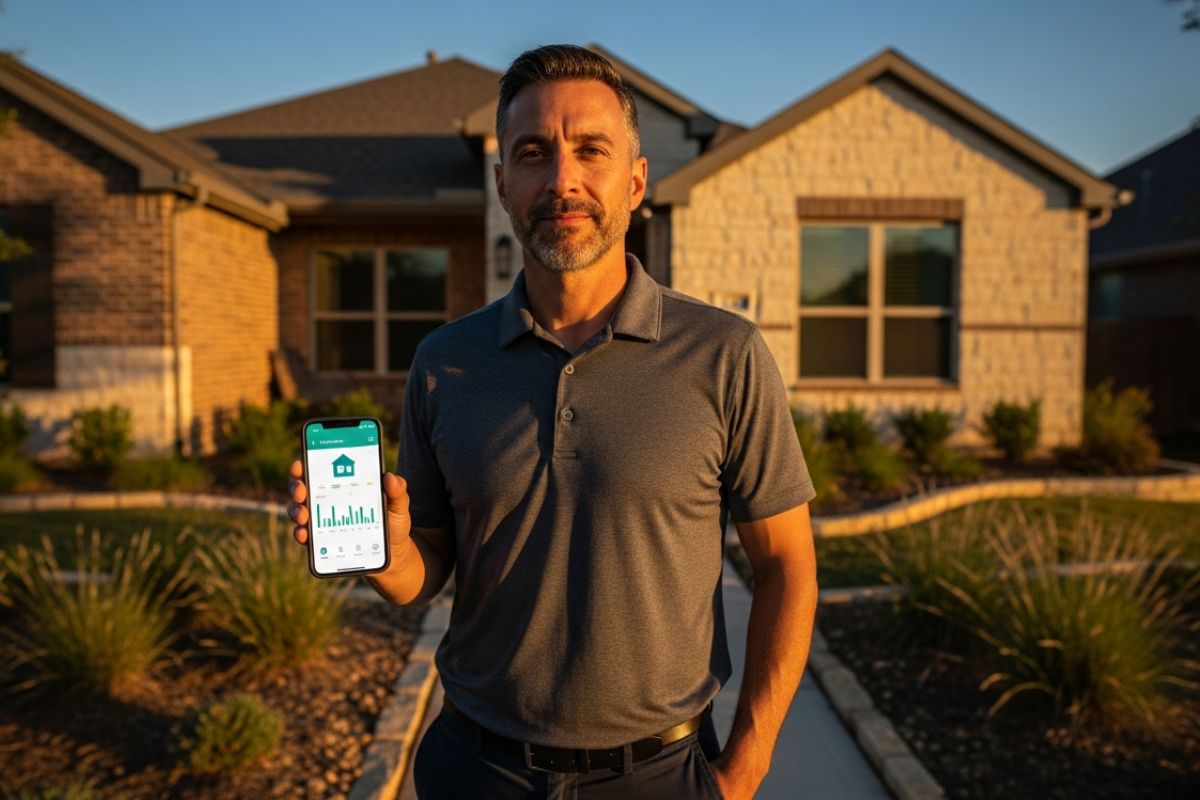
As Texas’s power grid faces unprecedented demand, homeowners are increasingly seeking smart ways to lower their energy bills while enhancing their property’s value.
The shift towards sustainability is no longer just an environmental choice; it’s a strategic financial decision.
| Upgrade | Pros | Cons | Estimated ROI |
| Switch to a Green Energy Provider | Immediate impact with no installationSupports renewable energy growthOften offers competitive, transparent rates | Does not change the home’s physical energy efficiencyMarket rates can fluctuate | High (via monthly savings and marketability) |
| Solar Panel Installation | Drastically reduces or eliminates electricity billsIncreases home value significantlyFederal and local incentives may be available | High upfront investmentRequires suitable roof space and sun exposure | 100%+ over the system’s lifespan |
| Energy-Efficient Windows & Doors | Lowers heating and cooling costsReduces outside noiseEnhances curb appeal and security | Can be a significant upfront cost for the whole houseInstallation can be disruptive | 70-75% |
| Smart Thermostat Installation | Automates energy savingsAllows remote control and monitoringCan integrate with utility demand-response programs | Requires Wi-Fi and some technical setupModest upfront cost | 100%+ within a few years through savings |
| Drought-Resistant Landscaping | Significantly reduces water consumptionLow maintenance requirementsBoosts curb appeal with native plants | Initial landscaping costs can be highMay require removing the existing lawn | 50-200% depending on scale and design |
Making Green Upgrades a Smart Investment
Choosing the right eco-friendly upgrades is about balancing upfront costs with long-term benefits.
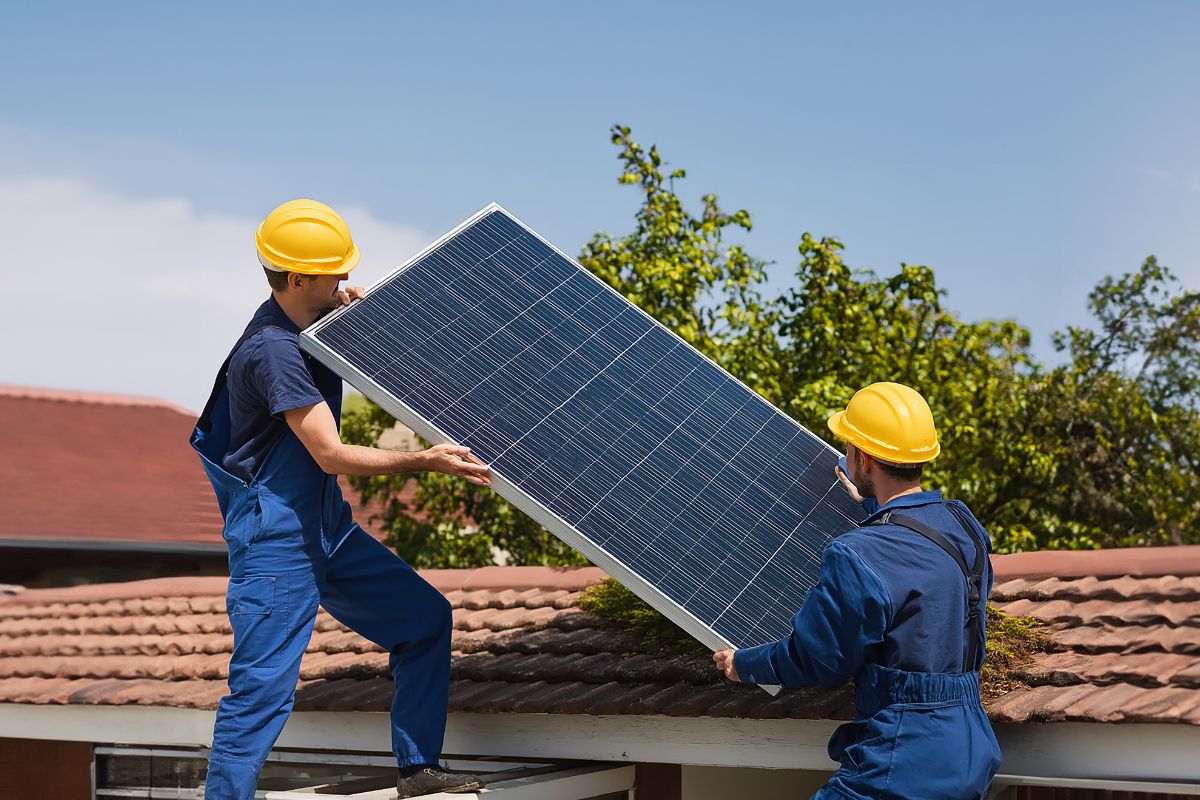
In a state like Texas, where the ERCOT grid is experiencing record-breaking demand, renovations that reduce energy consumption are not just valuable—they’re essential.
We evaluated these upgrades based on their return on investment (ROI), their ability to lower monthly utility bills, and their specific relevance to the Texas climate and energy landscape.
These improvements make your home more comfortable and resilient, while also appealing to a growing market of environmentally conscious buyers.
In 2022, the ROI on remodeling projects was between 50% and 147% and data shows that green upgrades often perform even better due to ongoing energy savings.
1. Switch to a Green Energy Provider
One of the most immediate and hassle-free upgrades a Texas homeowner can make doesn’t involve a single hammer or nail; it’s switching your energy provider.
This move directly impacts your carbon footprint and your wallet. By choosing a provider committed to sustainability, you support the growth of renewable sources like wind and solar power that are increasingly vital to the state’s energy mix.
This is where providers like Rhythm Energy are the choice for homeowners looking to make a smart, green investment.
They simplify the transition to clean energy, offering 100% renewable energy plans sourced from Texas wind and solar.
For homeowners seeking the best Texas electricity plan, Rhythm’s commitment to service and sustainability makes it a top-tier upgrade.
Their 30-Day Test Drive even lets you try their service risk-free, removing any uncertainty from making the switch.
| Primary Benefit | Immediate switch to 100% renewable energy with potential monthly savings. |
| Average Cost | No installation cost; plan rates vary. Up to $150 credit for early termination fees. |
| Key Feature | Transparent pricing, 30-Day Test Drive, and demand-response programs. |
| Texas-Specific Perk | Supports the growth of Texas wind and solar, helping stabilize the ERCOT grid. |
2. Solar Panel Installation
Installing solar panels is one of the most powerful, eco-friendly upgrades for a Texas home. With abundant sunshine, the state is a prime location for residential solar generation.
This investment directly tackles high electricity bills and adds a significant premium to your home’s resale value.
As news reports highlight, solar power is playing a massive role in meeting Texas’s surging power demand, making homes with their own generation capabilities highly desirable.
Beyond energy independence, solar panels offer resilience. Initiatives like the solar-powered Hub Homes in Houston show how individual installations can create community safe havens during power outages, a compelling selling point in a state prone to extreme weather.
While the upfront cost can be substantial, federal tax credits and the potential for solar buyback programs can significantly reduce the net investment, leading to an impressive ROI over the system’s lifespan.
| Primary Benefit | Reduced or eliminated electricity bills and increased home value. |
| Average Cost | $15,000 – $25,000 before incentives. |
| Key Consideration | Roof condition, orientation, and available sunlight are critical factors for efficiency. |
| Texas-Specific Perk | Contributes to grid stability during peak demand summer months and provides energy security. |
3. Energy-Efficient Windows and Doors
In a state known for its scorching summers, keeping cool air in and hot air out is a financial battle. Old, drafty windows and doors are major sources of energy loss, forcing your HVAC system to work overtime.
Upgrading to modern, energy-efficient models with double or triple-pane glass and low-emissivity (low-E) coatings can dramatically reduce your system’s workload.
This translates directly to lower monthly energy bills and a more comfortable, quieter living environment.
Buyers recognize the long-term savings and comfort associated with quality windows, making it a feature that boosts both curb appeal and final sale price.
One study found that energy-efficient properties can sell for 3% to 5% more than their less efficient counterparts, making this a high-value project that consistently provides a strong return on investment.
| Primary Benefit | Lowers HVAC costs, reduces outside noise, and improves curb appeal. |
| Average Cost | $8,000 – $24,000 for a whole-house replacement. |
| Key Consideration | Look for ENERGY STAR® certified products with low-E coatings suited for the Texas climate. |
| ROI | 70-75% of cost recouped at resale, plus significant ongoing energy savings. |
4. Smart Thermostat Installation
A smart thermostat is a small upgrade with an outsized impact on your energy consumption and bills.
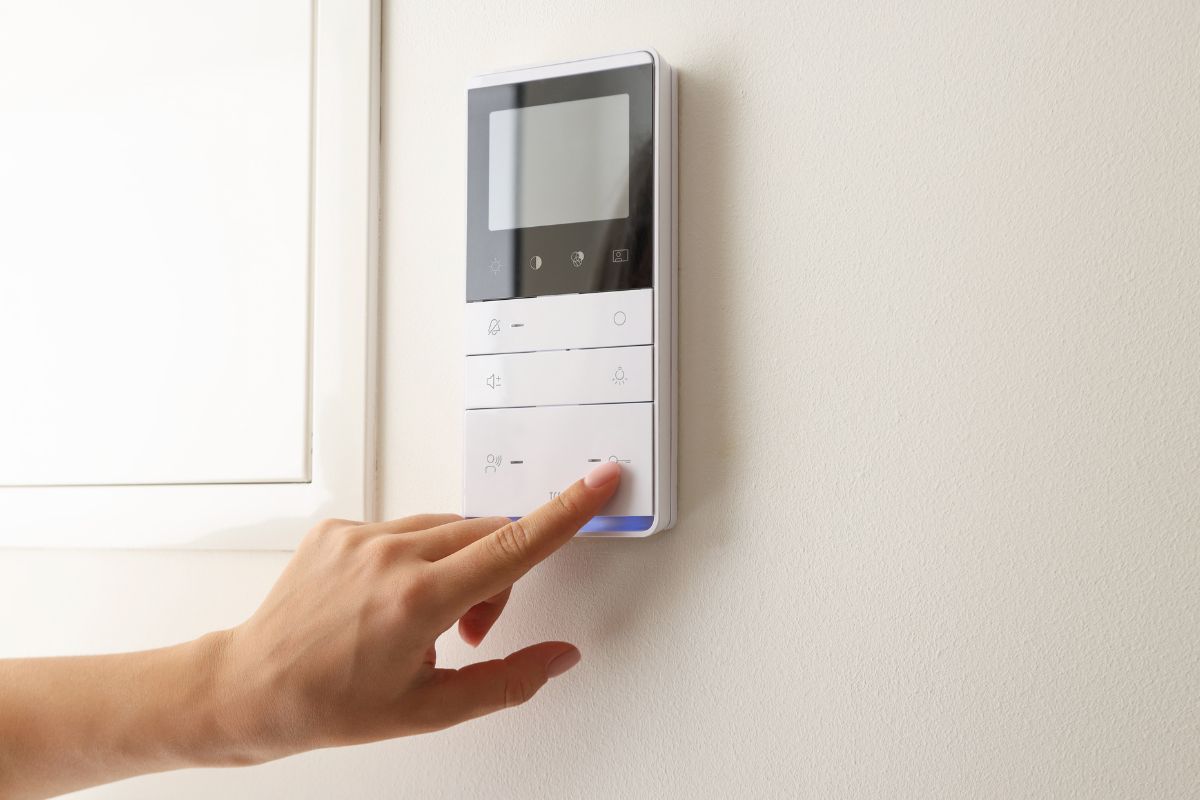
These devices learn your daily routines and automatically adjust the temperature to save energy when you’re away or asleep, eliminating wasteful spending.
Many, like those compatible with Rhythm Energy’s PowerShift Payback plan, can also connect to utility demand-response programs, which reward you for reducing electricity use during peak hours.
This not only saves you money but also helps ease the strain on the Texas power grid when it’s needed most.
According to home renovation experts, the ROI on a smart thermostat is typically realized within a couple of years through energy savings alone.
For potential homebuyers, a smart thermostat signals a modern, efficient, and well-maintained home, making it a highly attractive and low-cost feature to add before listing your property.
| Primary Benefit | Automates energy savings and provides remote home climate control. |
| Average Cost | $150 – $300 plus professional or DIY installation. |
| Key Feature | Learns user habits and integrates with utility demand-response programs for extra savings. |
| ROI Timeframe | Often pays for itself in under two years through bill reductions. |
5. Drought-Resistant Landscaping (Xeriscaping)
Eco-friendly upgrades aren’t limited to the inside of your house. In Texas, where water conservation is a critical environmental and financial issue, landscaping is a major opportunity for improvement.
Replacing a thirsty, high-maintenance lawn with drought-resistant landscaping, also known as xeriscaping, is a brilliant way to reduce water bills and create stunning curb appeal.
This approach uses native and adaptive plants that thrive in the local climate with minimal irrigation.
A beautiful, low-water landscape is a major selling point in Texas, as it promises the new owner lower utility bills and less weekend yard work.
A well-designed xeriscape can deliver an ROI of 50% to 75% depending on the project’s scale and design, making it an upgrade that pays for itself while adding significant value to your property.
| Primary Benefit | Drastically reduces water bills and eliminates the need for frequent mowing and maintenance. |
| Average Cost | $3,000 – $10,000+, highly dependent on the project’s scale and design complexity. |
| Key Consideration | Requires initial planning and investment to remove old turf and install new plants and hardscaping. |
| Texas-Specific Perk | Creates a resilient, beautiful landscape that thrives in hot, dry conditions and supports local pollinators. |
Your Path to a More Valuable, Greener Home
Investing in eco-friendly upgrades is a forward-thinking strategy for any Texas homeowner.
These improvements not only reduce your environmental impact but also deliver tangible financial returns through lower utility bills and increased property value.
Whether you start with a simple switch to a 100% renewable energy provider or undertake a major solar installation, each step makes your home more resilient, affordable, and desirable in today’s competitive real estate market.
Making smart, sustainable choices ensures your property is not just a home, but a valuable asset prepared for the future.
