
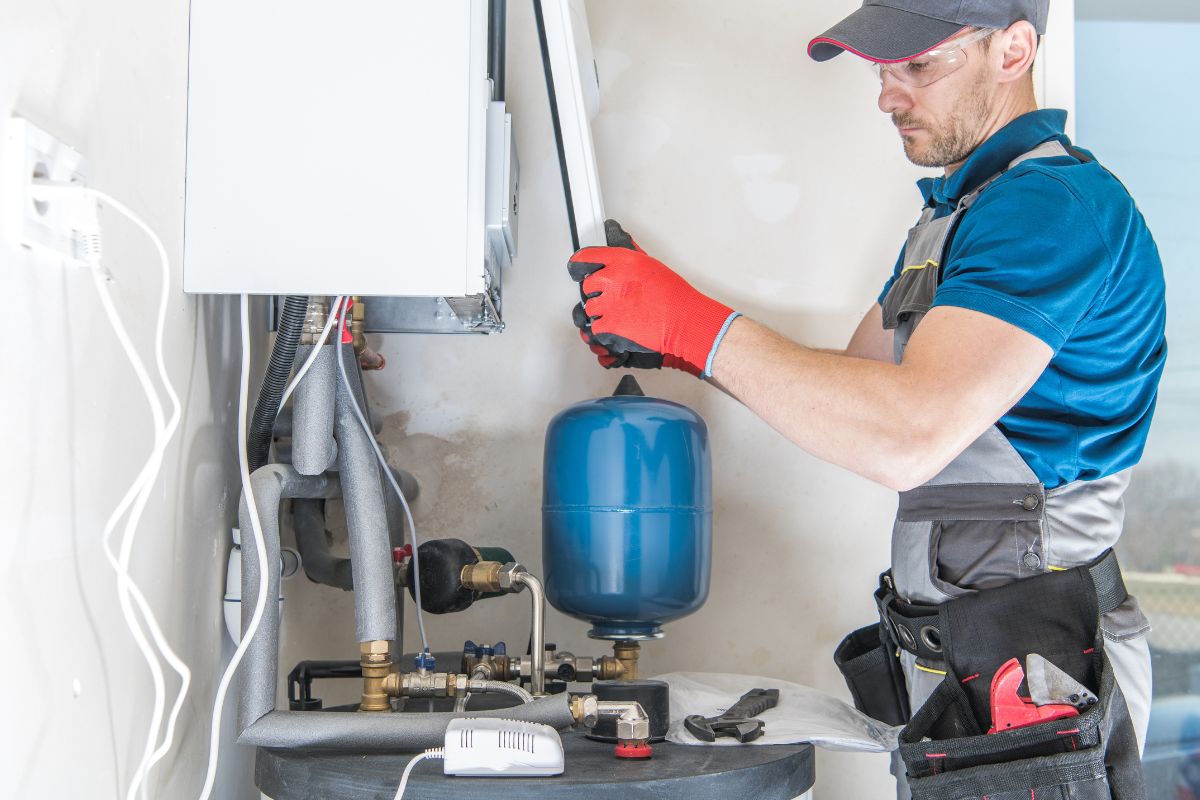
With smart home technology gaining popularity in contemporary homes, an increasing number of homeowners are resorting to automated lighting systems, smart switches, intelligent climate control systems, and integrated home security systems with the aim of ensuring greater comfort and convenience in their homes.
Nevertheless, the advantages of a smart home can be achieved in full only in case the installation is performed properly.
To know more, click on the home automation system. The fact is that even a few mistakes in the setup phase can create connectivity problems, malfunction of the devices, security risk, and long-term expenses.
This article provides a general overview of the common installation mistakes and how to avoid them.
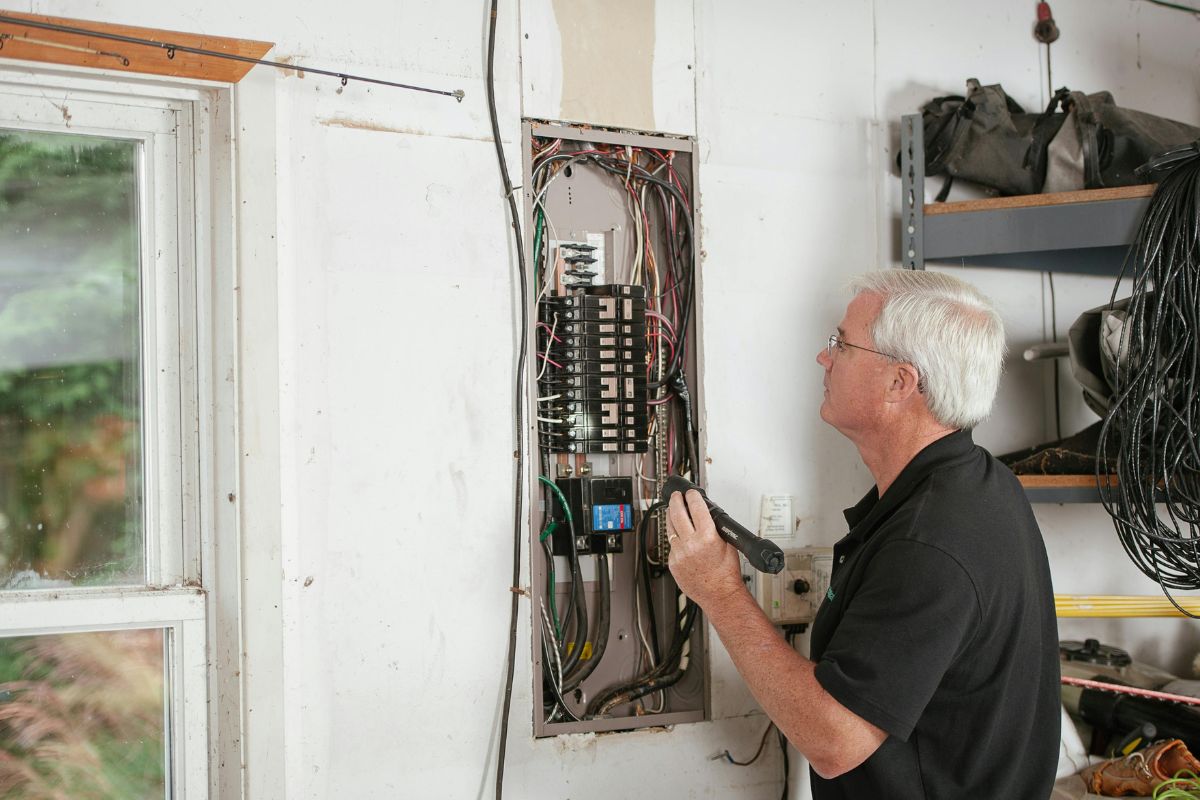
Certain Common Installation Mistakes in Smart Home Setup and How to Avoid Them
Inadequate Wi-Fi Network Planning and Coverage
- Underestimation of the significance of a solid and stable Wi-Fi network is one of the most common mistakes in installing smart homes. As most smart devices are based on the use of internet connectivity, weak signals or dead zones may lead to slow responses, random disconnections, and a bad system performance.
- How to avoid it: Before the installation, a Wi-Fi signal survey is to be conducted to distinguish weak spots. The provision of adequate bandwidth to all the devices that will be connected is also critical in avoiding network congestion.
Failure to Plan the System Architecture
- Most homeowners install devices on an ad hoc basis. This results in disjointed systems where the devices do not communicate or can they work effectively.
- How to avoid it: Design a full smart home before buying or installing any devices. Determine what you want to automate: lighting, climate control, security, energy efficiency, and make sure that whatever you settle on is compatible with the devices and platforms. Your best solution is to engage an integrator of smart home systems that knows the architecture of the system and can create a scalable ecosystem.
Selecting the Incompatible Devices
- There are so many brands and platforms out there that the choice of devices might be made based on the price or popularity, which and lead to difficulties with compatibility. Due to an example, not all kinds of wiring layouts or lighting fixtures might be compatible with some intelligent switches.
- How to avoid it: It is recommended that compatibility with existing wiring, appliances, and smart home hubs be checked at all times. Do not combine too many brands without assuring interoperability.
Selection of Incompatible Devices
- There are a billion brands and platforms, and choosing the devices depending on their price or popularity alone can lead to the emergence of compatibility problems. As an example, not all smart switches could accept the wiring layouts or lighting fixtures.
- How to avoid it: Always verify compatibility with your existing wiring, appliances and smart home hub. Be sure to use those devices that are already a part of a known ecosystem and use open-communication protocols. Do not combine a lot of brands without ensuring that they work together.
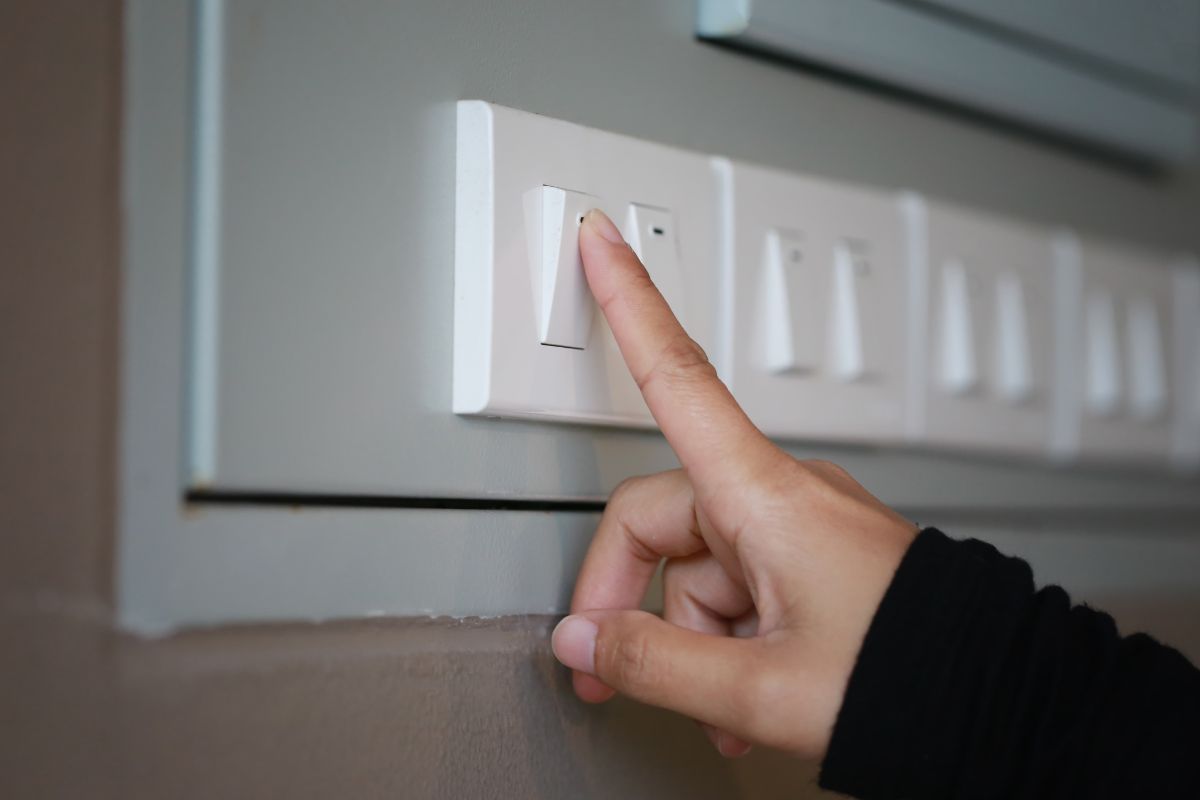
Poor installation of the Smart Switch
- The most widely fitted devices include smart switches, although they may become faulty due to inappropriate wiring, lack of neutral wires, or incompatible switch modules, and pose recreational hazards.
- How to avoid it: Hire an experienced expert who is conversant with the installation of smart switches. They ought to check the presence of the necessary wiring in your house, including the neutral lines. The risks are minimized by using certified equipment and following the guidelines provided by manufacturers.
Conclusion
An effective installation of a smart home must be based on strategic planning, compatibility of devices, excellent connectivity, and an effective implementation.
Professional guidance and the right ecosystem investment not only make work more convenient and comfortable but also provide safety, efficiency, and satisfaction over the long term.
