
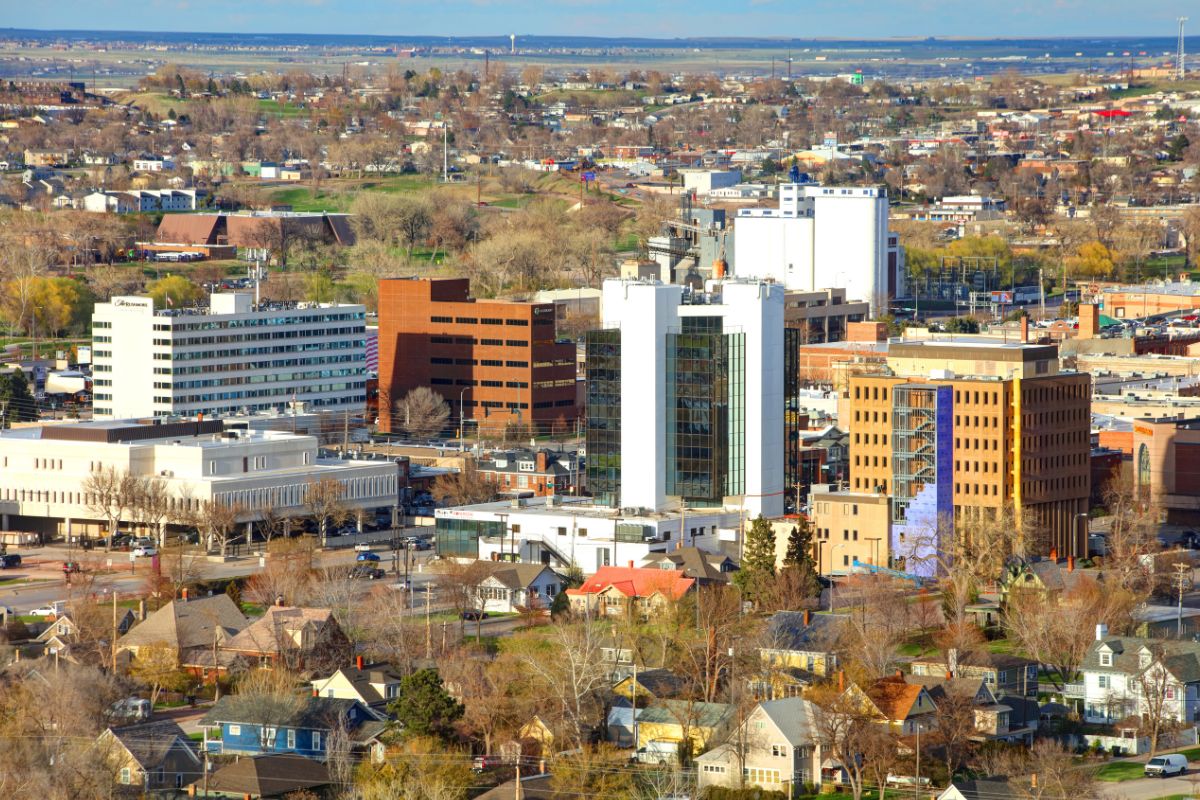
Have you considered that one of the most rational places to live and invest might be Rapid City? Rapid City, South Dakota, is quietly positioning itself as one of the most sensible places in the country to live and invest.
Its appeal is rooted in fundamentals rather than trends, which is exactly why it deserves attention. Located at the gateway to the Black Hills, Rapid City combines economic stability, livability, and affordability in a way that many growing cities fail to balance.
It is no surprise that more people are now exploring housing options in Rapid City as they reassess where long term value actually exists.
A Diversified and Resilient Local Economy
One of Rapid City’s strongest advantages is its economic structure. The city does not depend on a single industry to survive.
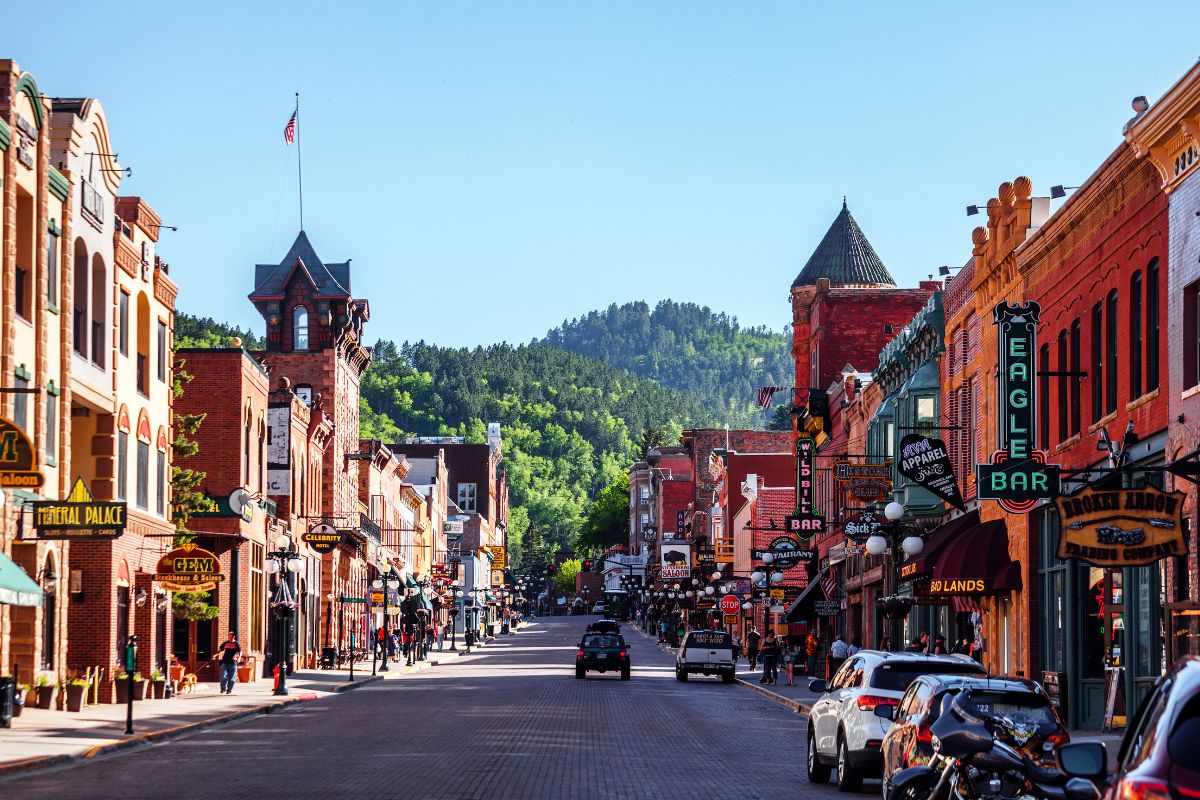
Healthcare plays a major role, with Monument Health serving as a regional hub for medical services across western South Dakota and surrounding states.
Tourism adds another layer of stability, supported by Mount Rushmore, Badlands National Park, and the Black Hills.
Equally important is Ellsworth Air Force Base, which provides thousands of jobs and a steady flow of federal investment.
Military presence tends to anchor local economies, supporting housing demand, retail activity, and service industries. This combination of healthcare, tourism, and defense makes Rapid City less vulnerable to sudden economic shocks.
Steady Population Growth Without Volatility
Population growth in Rapid City has been consistent rather than explosive, which is a positive indicator.
Census data shows gradual increases over the past decade, particularly as people relocate from higher cost states. These new residents are often retirees, remote workers, and families seeking affordability and space.
Unlike cities experiencing rapid, speculative growth, Rapid City has avoided extreme housing booms. This controlled expansion supports long term housing demand while limiting sharp corrections.
From both a living and investing perspective, slow growth backed by real demand is far healthier than short lived surges driven by speculation.
Housing Affordability Compared to National Trends
Housing prices in Rapid City remain below national averages, even after recent increases.
While affordability has tightened since 2020, the cost of homeownership is still accessible compared to many western and mountain states. This makes Rapid City particularly attractive to first time buyers who have been priced out elsewhere.
For investors, entry costs are reasonable, allowing for cash flow opportunities that are increasingly rare in more competitive markets.
Appreciation has been steady rather than dramatic, which reinforces the city’s reputation as a stable housing market rather than a speculative one.
Before committing to a purchase, it is important to understand the expenses that do not always appear upfront. Learn what buyers often overlook when purchasing a home in the Black Hills.
Consistent Rental Demand Across Multiple Groups
Rental demand in Rapid City benefits from a diverse tenant base. Military personnel, healthcare workers, students, and tourism related employees all contribute to consistent occupancy levels.
This variety reduces risk for property owners, as demand does not hinge on a single demographic group.
Vacancy rates have remained relatively low, indicating that supply and demand are well balanced. This type of rental environment is far more reliable than markets driven primarily by short term rental speculation or seasonal demand spikes.
Lifestyle Appeal Rooted in Access and Simplicity
Quality of life is one of Rapid City’s most underrated strengths. Residents have immediate access to outdoor recreation, including hiking, biking, climbing, and camping in the Black Hills. These amenities are not occasional weekend trips, but part of daily life.
At the same time, Rapid City offers essential urban conveniences such as healthcare, shopping, education, and local dining.
The city does not attempt to replicate large metropolitan centers, and that restraint contributes to its livability. Daily routines are manageable, commutes are reasonable, and congestion is limited.
For those drawn to places that combine everyday comfort with unforgettable surroundings, the Black Hills offer a lifestyle unlike anywhere else. Take a closer look at what defines luxury living in a region many only experience on vacation.
Infrastructure Investment and Responsible Planning
Rapid City’s approach to infrastructure reflects long term thinking. Following historic flooding events, the city invested heavily in flood control, road improvements, and land use planning.
These projects were not cosmetic upgrades, but practical investments in safety and resilience.
From an investment standpoint, cities that actively manage infrastructure and environmental risk tend to preserve property values more effectively.
This type of planning demonstrates foresight rather than reactive governance, which matters greatly for long term residents and investors.
Buying your first home comes with important decisions that can shape your financial future. Learn how to approach negotiations, timing, and preparation to secure the best possible deal.
A Favorable Tax Environment
South Dakota’s lack of state income tax significantly enhances Rapid City’s appeal. For residents, this directly impacts take home pay. For investors, it improves net operating income and overall return potential.
While property taxes still apply, they are generally moderate compared to national averages. This balanced tax structure supports both public services and private financial stability, which is an important distinction in evaluating livability and investment viability.

Employment Stability and Remote Work Trends
Employment in Rapid City is supported by stable sectors that are unlikely to disappear. Healthcare and military operations provide long term job security, while tourism continues to attract seasonal and permanent workers.
Remote work has further strengthened housing demand. Professionals relocating from higher cost regions can maintain income levels while benefiting from lower living costs. Rapid City’s infrastructure and connectivity make it a realistic option for this growing segment of the workforce.
Realistic Risks Without Overexposure
No market is without risk, and Rapid City is no exception. Winters are long and cold, which may deter some potential residents. Interest rate changes and construction costs also influence housing affordability, as they do nationwide.
However, these risks are already priced into the market. The absence of speculative excess is precisely what makes Rapid City appealing. It is not dependent on hype, and that restraint supports long term stability.
Final Thoughts on Rapid City’s Growing Appeal
Rapid City’s rise in attention is not the result of a single trend or short term shift. It reflects a combination of economic stability, controlled growth, and realistic housing fundamentals that many cities no longer offer. In a market where extremes have become common, Rapid City stands out for its balance.
For people looking to put down roots, the city offers affordability, access to nature, and a pace of life that feels sustainable rather than overwhelming.
For investors, it presents predictable demand, moderate entry costs, and a tenant base supported by stable industries. These are not flashy advantages, but they are the ones that tend to endure.
Rapid City’s strength lies in the fact that it is not trying to be something it is not. It continues to grow based on real economic drivers and practical planning, which is why interest in the city keeps building quietly. Over time, that kind of attention often proves to be the most meaningful.
For those considering a move or investment in Rapid City, speak with knowledgeable real estate professionals to clarify options, timing, and long-term fit before making any decisions.
