

When it comes to owning a property, whether it is a home, a piece of land, or even a motor vehicle, there are two legal terms that often come up: title and ownership.
While it is common for many to use these two terms interchangeably, they actually represent different aspects of property rights.
It is critical to understand the differences between title and ownership, especially when handling legal matters about the property, such as selling, inheriting, disputing, and so on.
If you’re wondering about title and ownership property differences, continue reading to the end to find out exactly what each of these terms means and how they work.
What Is Title?
Under legal terms, title is the concept that establishes an individual’s rights to own, use, and transfer the property.
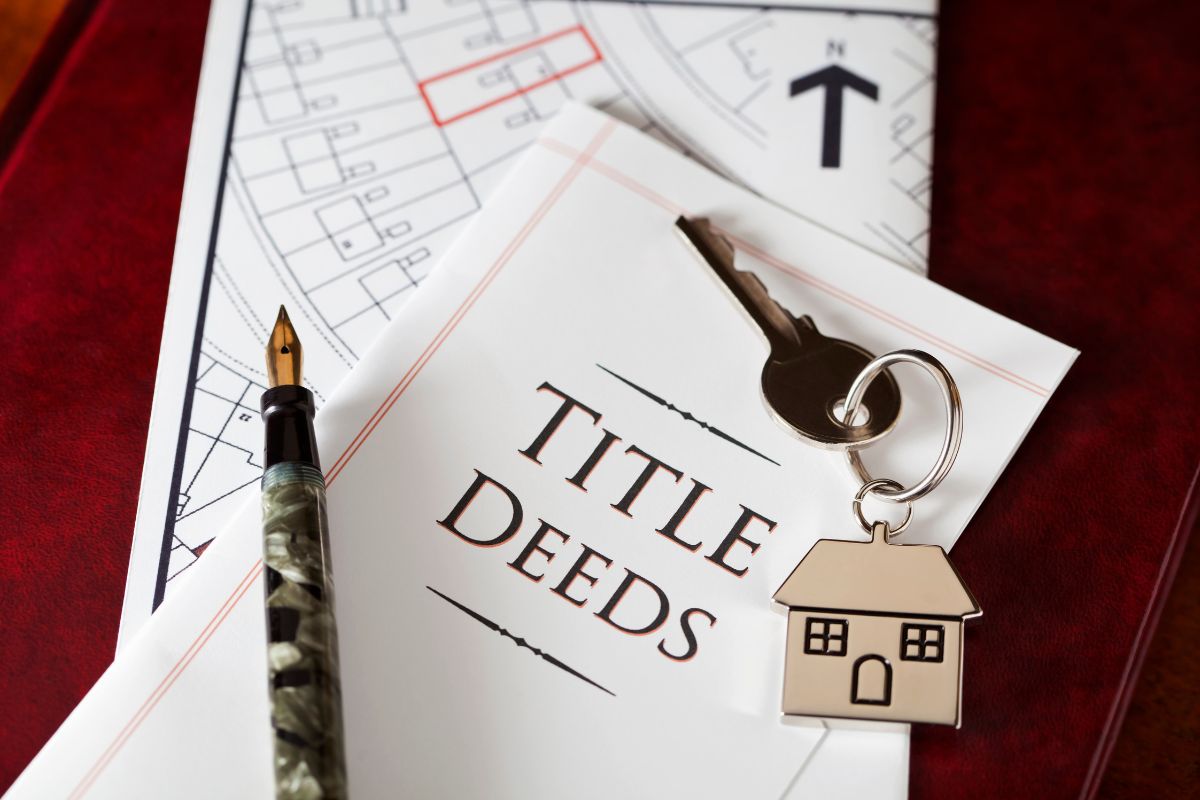
It isn’t a document itself, but rather a legal term that signifies a person’s legal interest in any given property.
For instance, when someone mentions that a person holds the title to a property, it means their name is in the public records as the owner.
In most cases and property types, proof of title comes in the form of a document, like a deed for a real estate property or a certificate of title for a vehicle.
While the exact documentation might change, the title essentially identifies who legally holds the rights to a property.
What Is Ownership?
Ownership, on the other hand, is essentially similar but different in that it refers to the actual possession of the legal rights.
It is essentially having the rights associated with the property, like the right to sell it, use it, rent it, and pass it to someone else.
This legal status can exist with or without the title being updated, such as when someone inherits a property from a deceased family member through a will before the paperwork is finalized.
In these situations, public records will list the deceased person as the property owner until the probate process is complete.
Title and Ownership Property: Key Differences
Even though title and ownership of property essentially mean the same, there are key differences to note. Knowing these differences is critical when dealing with the legal matters of the property.
- Definition: While a title is a legal concept that shows who has the rights to a property through a deed or a certificate of title, ownership refers to the actual legal right to possess and control the property.
- Public Record: Title is in the public records since it is a legal document, whereas ownership is a status that can exist without the title being updated.
- Purpose: The purpose of a title is to show who legally owns a property, while ownership is the concept that grants full control over a property.
- Transfer: While title must be transferred during sale by the title holder, ownership can transfer to someone else by law before the title changes, such as in the case of an inherited property.

How to Check Title and Ownership on a Property Online?
Given that title and ownership mean two different things, and ownership can change without the title being updated, you can only check the title of a property, which will tell you who legally owns it.
Since this is public record, you can obtain it from the county recorder’s office, but why bother with the trip when you can discover this information online?
While there are many different ways to check who owns a property, our recommended way of doing it is by using a people search site.
These websites search online public databases to bring up the information you’re after about any given property.
For this type of search, we recommend UnMask. It is an effective free people search site that also allows users to search addresses.
It is handy in situations when you’re not quite sure about who might be the legal owner. You simply enter the address and find out who holds the title to it through public records.
Title and Ownership Property: Conclusion
Title and ownership are two different legal terms. Even though they go hand in hand in many and many use them interchangeably, they aren’t the same legal terms.
Understanding their difference can help you avoid confusion, or worse, legal issues when dealing with a property.
Luckily, our article explained the differences in detail. Consider bookmarking this page to return to it in case you need clarification on the differences between a title and ownership.
