
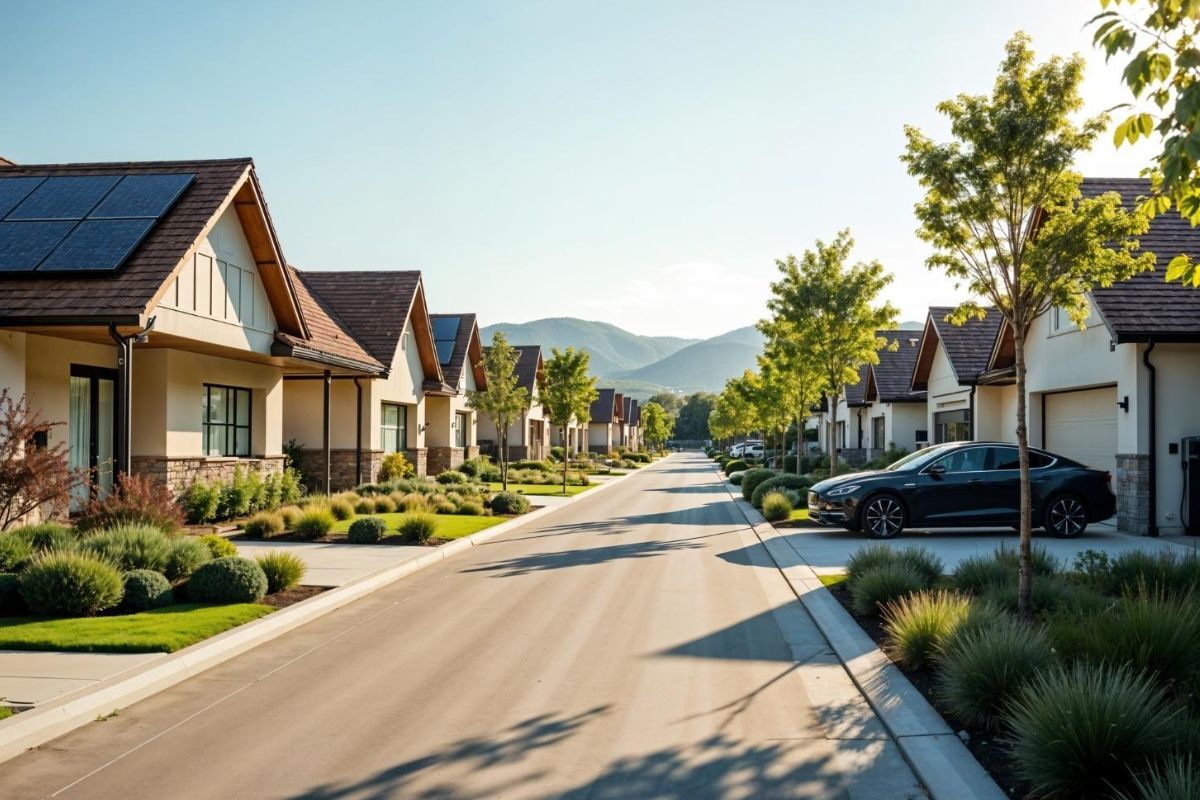
Relocating to a new city is rarely just about changing addresses. It is a decision that reshapes daily routines, social connections, finances, and long-term comfort.
While many people focus on the size of the home or the price per square foot, the surrounding neighborhood often has a far greater impact on how successful the move feels over time.
From the moment someone starts researching communities and coordinating logistics with out-of-state movers, the question of where to live becomes just as important as how to get there.
Choosing the right neighborhood can make a relocation feel seamless and exciting. Choosing the wrong one can turn even a beautiful home into a source of ongoing frustration.
Understanding the features that truly matter helps ensure that the move supports both short-term needs and long-term satisfaction.
Everyday Accessibility and Convenience
One of the most overlooked aspects of neighborhood selection is how easily daily life flows once you arrive.
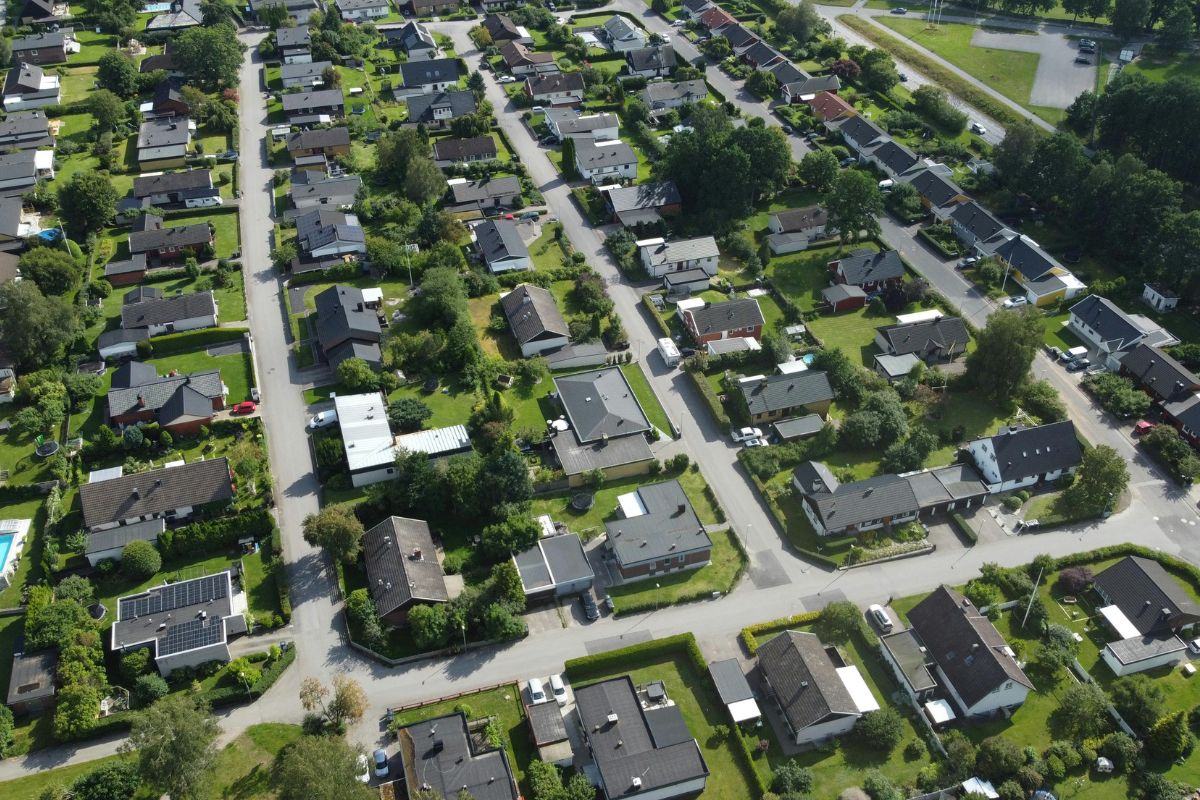
Proximity to grocery stores, pharmacies, healthcare providers, and basic services quickly becomes part of your routine.
A neighborhood that looks appealing on paper may feel inconvenient if every errand requires a long drive or navigating heavy traffic.
Walkability is also a growing priority, especially for people who want flexibility in how they get around.
Sidewalks, safe crossings, and access to public transportation can significantly influence quality of life.
Even for those who primarily drive, knowing that alternatives exist can be reassuring, particularly during busy workweeks or unexpected situations.
Safety and Sense of Comfort
Safety plays a central role in how people experience a neighborhood, but it goes beyond crime statistics.
Lighting, street activity, visibility, and general upkeep all contribute to whether a place feels comfortable. A well-maintained area with active community spaces often creates a sense of security that numbers alone cannot capture.
Local police presence, neighborhood watch programs, and community engagement also influence how safe residents feel. The U.S. Department of Justice notes that community involvement and environmental design can play a meaningful role in reducing crime and improving residents’ sense of well-being, reinforcing the idea that safety is as much about design and culture as it is about enforcement.
Schools and Long-Term Planning
Even for households without children, school districts often factor into relocation decisions because of their impact on property values and neighborhood stability.
Areas with strong schools tend to attract long-term residents, which can lead to more consistent upkeep, stronger local businesses, and a greater sense of community.
For families, school quality may be one of the primary drivers behind choosing a specific neighborhood.
Access to nearby schools, class sizes, extracurricular programs, and community involvement can all influence daily schedules and overall satisfaction.
Relocating with a long-term perspective helps avoid the need for another move sooner than expected.
Community Culture and Lifestyle Fit

Every neighborhood has its own personality. Some areas are lively and social, while others are quieter and more private. Neither is inherently better, but alignment with personal lifestyle matters.
A neighborhood filled with restaurants, events, and nightlife may appeal to some, while others prefer residential streets, parks, and slower evenings.
Paying attention to how neighbors interact can offer valuable insight. Are people outside walking dogs, talking to one another, or using shared spaces? These subtle details often reveal whether the community feels welcoming or disconnected. Lifestyle fit is one of the hardest factors to quantify, yet one of the most important in determining long-term happiness.
Commute and Work-Life Balance
Commute times can quietly shape daily stress levels. A neighborhood that adds even 20 extra minutes each way can significantly affect work-life balance over time. Traffic patterns, access to major roads, and proximity to public transit all influence how manageable a commute feels.
With remote and hybrid work becoming more common, some people prioritize flexible spaces over commute proximity.
Still, access to coworking spaces, reliable internet infrastructure, and quiet environments can be just as critical as distance from an office. A neighborhood that supports productivity as well as relaxation often provides the best balance.
Green Spaces and Environmental Factors
Access to parks, trails, and green spaces plays a growing role in relocation decisions. These areas support physical activity, mental health, and social interaction, making them valuable for individuals and families alike.
Neighborhoods with well-maintained outdoor spaces tend to encourage healthier routines and stronger community ties.
Environmental factors such as air quality, noise levels, and flood risk also deserve attention. Research from the Environmental Protection Agency highlights how environmental conditions directly affect long-term health, reinforcing the importance of looking beyond aesthetics when evaluating a neighborhood.
Housing Stability and Future Value
A neighborhood’s trajectory can be just as important as its current appearance. Areas experiencing thoughtful development, infrastructure investment, and community planning often offer better long-term value.
On the other hand, rapid, unplanned growth can strain resources and change neighborhood character quickly.
Looking at local zoning plans, upcoming projects, and historical property trends can provide insight into where a neighborhood is headed. Stability does not necessarily mean stagnation; rather, it reflects a balance between growth and livability.
The Emotional Side of Relocation
Relocation is not purely a practical decision. Emotional factors such as feeling “at home,” imagining daily routines, and visualizing future milestones all influence whether a neighborhood feels right.
Visiting at different times of day, talking to residents, and spending time in local spaces can reveal details that listings and data cannot.
A successful relocation often comes down to how well the neighborhood supports both current needs and future goals. When the surrounding environment aligns with lifestyle, priorities, and long-term plans, the move becomes more than a change of scenery, it becomes a foundation for the next chapter.
By focusing on neighborhood features that truly matter, individuals and families can make relocation decisions that feel confident, intentional, and sustainable long after the boxes are unpacked.
