
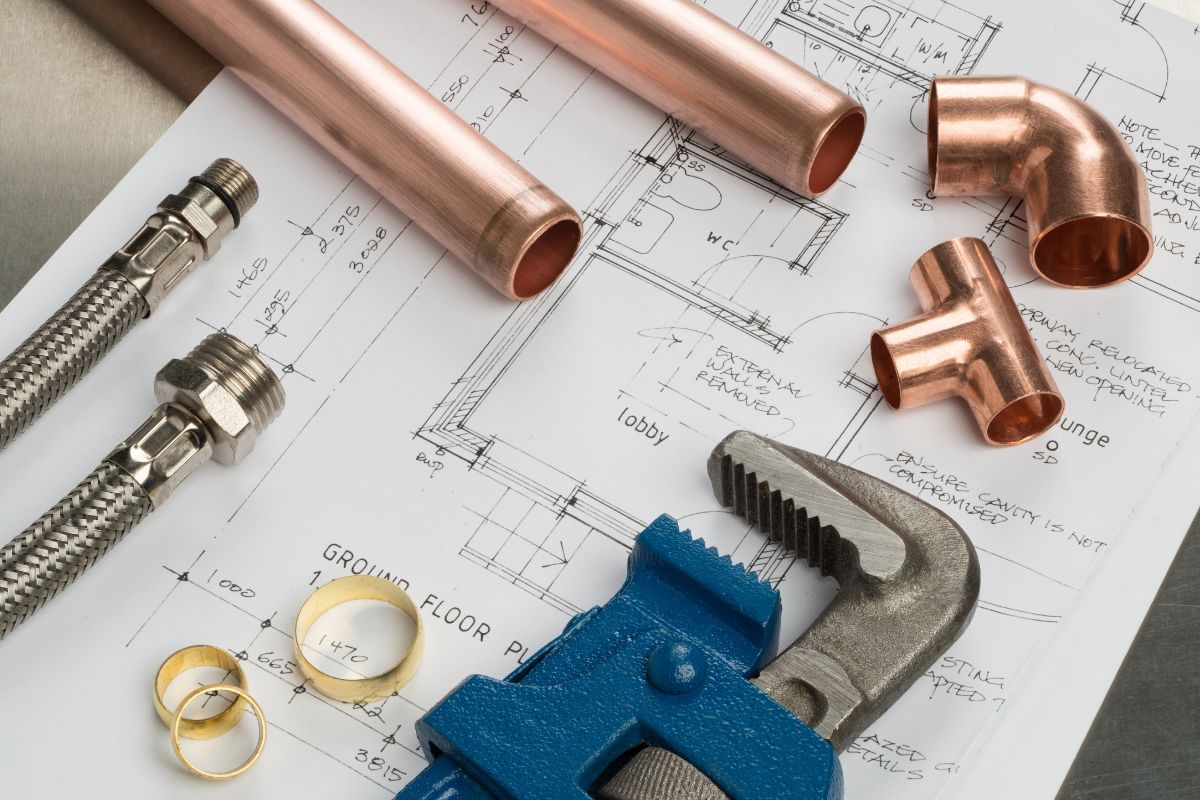
For plumbing contractors, the difference between winning and losing a bid often comes down to one thing: speed and accuracy in estimating.
But traditional takeoff methods like tracing blueprints, manually counting fittings, and flipping between 100s of plan sheets — are holding estimating teams back.
In preconstruction where 3 out of 5 jobs go to the first bidder, estimators simply can’t afford to spend days creating plumbing takeoffs manually.
This is where plumbing takeoff software is revolutionizing the construction industry by automating and streamlining the process of material estimation for plumbing projects.
From reducing bid cycle times to increasing project capacity, it’s completely transforming how plumbing contractors estimate.
The Problem with Manual Plumbing Takeoffs
Every contractor knows the grind: hours spent measuring vent pipes, floor drains, water heaters, and fixture lines, all while juggling multiple bid deadlines.
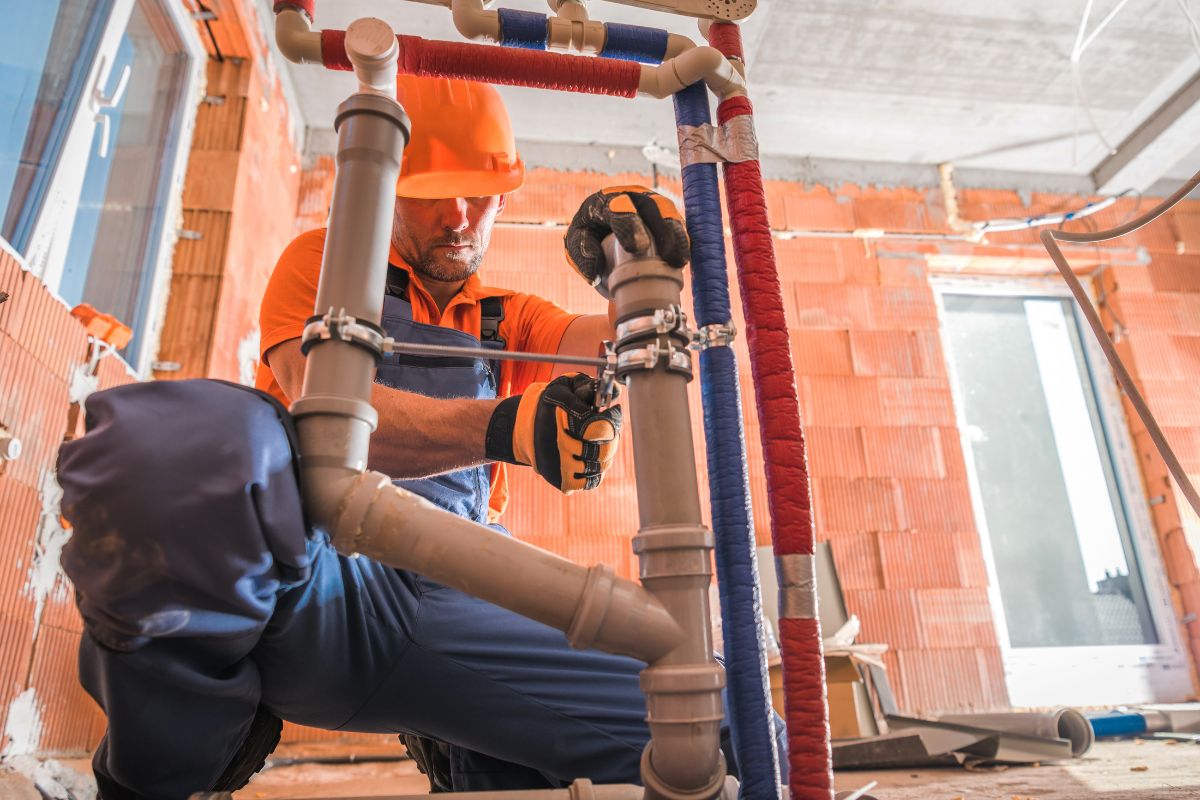
Manual takeoffs, even with semi-digital tools, are time-consuming and error-prone.
Here’s what’s slowing estimators down:
- Time sink: 30–50% of the bid cycle is lost to manual quantity extractions.
- Missed bid windows: By the time you complete the takeoff, faster competitors may already have won the job.
- Lack of strategic focus: Time spent on counting fittings means less time refining estimates or raising tender queries.
- Scalability limits: It’s tough to bid on multiple projects when takeoffs take days or weeks
In construction where deadlines are tight and margins tighter, these delays aren’t just inconvenient, they’re costly.
The Shift Toward Plumbing Takeoff Software
Enter plumbing takeoff software, purpose-built to help contractors automate quantity extraction, minimize manual work, and maximize bid volume.
Unlike outdated manual methods, these tools let estimators:
- Upload digital plans directly
- Define scope clearly
- Automatically extract quantities for pipes, fixtures, valves, and more
- Export formatted data directly into estimating tools or Excel sheets
With plumbing takeoff software, estimating teams can eliminate repetitive tasks and focus on what truly drives competitive bids.
How AI Is Reshaping the Estimating Workflow
Modern takeoff platforms have evolved well beyond point-and-click tools. The new generation — especially those powered by artificial intelligence — removes the need for manual tracing altogether.
AI-powered plumbing takeoff software can:
- Detect and count plumbing symbols from plan sets
- Read and extract spec notes and keyed-in details
- Identify design revisions or changes instantly
- Process multiple jobs simultaneously
For contractors using platforms like Beam AI, the results are clear: takeoff time is reduced by up to 90%, allowing teams to send out 2X more bids without increasing headcount.
What makes this shift significant is not just the AI itself, it’s the strategic time it frees up. Estimators can now focus on value engineering, cost analysis, and proactive coordination with GCs instead of redlining drawings.
Why More Contractors Are Making the Switch
Whether you’re working on residential plumbing systems or large-scale commercial builds, the reality is the same: manual processes just don’t scale.
Here’s why contractors are embracing plumbing takeoff software:
- Bid faster, win more: The first accurate bid often wins — and software helps you get there first.
- Reduce human error: With AI handling measurements and symbol detection, the risk of missed scope drops dramatically.
- Streamline handoffs: Digitally organized takeoffs are easier to share with project managers, estimators, or the GC.
- Handle more bids: With automation, even small estimating teams can process multiple projects in parallel.
You’re not just working faster, you’re getting time back.
It’s Not Just Plumbing, Other Trades Are Making the Leap Too
Contractors who use electrical takeoff software or earthwork takeoff software have already seen the benefits of AI-based takeoffs.
Plumbing teams can tap into the same productivity and scalability gains.
The workflows are familiar:
- Plans are uploaded
- Scope is defined
- Quantities are extracted automatically
- Data is exported seamlessly
The key difference with plumbing takeoff software is its ability to interpret plumbing-specific drawings, connections, slopes, and system symbols accurately — making it purpose-built for your trade.
What to Look for in a Plumbing Takeoff Solution
Not all software is created equal. As you evaluate tools, here’s what top plumbing contractors prioritize:
- Full automation: No click-and-trace work — the software should do the heavy lifting
- Spec reading capability: Ability to pull details directly from plan notes and callouts
- Change detection: Instantly see what’s different between plan versions
- Fast turnaround: Takeoffs should be delivered or ready to use within 24–72 hours
- QA-Reviewed Takeoffs: Automated doesn’t mean unchecked, look for tools where takeoffs are reviewed for accuracy
Beam AI, for example, offers fully automated plumbing takeoffs backed by expert validation.
Contractors using it report higher bid throughput, faster workflows, and improved confidence in takeoff accuracy — all without needing to retrace plans or second-guess quantities.
Final Thoughts
Estimating shouldn’t be a bottleneck. With AI-driven plumbing takeoff software, plumbing contractors are replacing hours of repetitive work with streamlined, scalable workflows.
If you’re still manually counting fittings, tracing pipe routes, or toggling between PDFs and spreadsheets, it’s time to upgrade. The market is moving fast, and the teams using AI are winning more work with less effort.
You already know how to estimate well. Now it’s about doing it faster, smarter, and with software that does the heavy lifting for you.
