
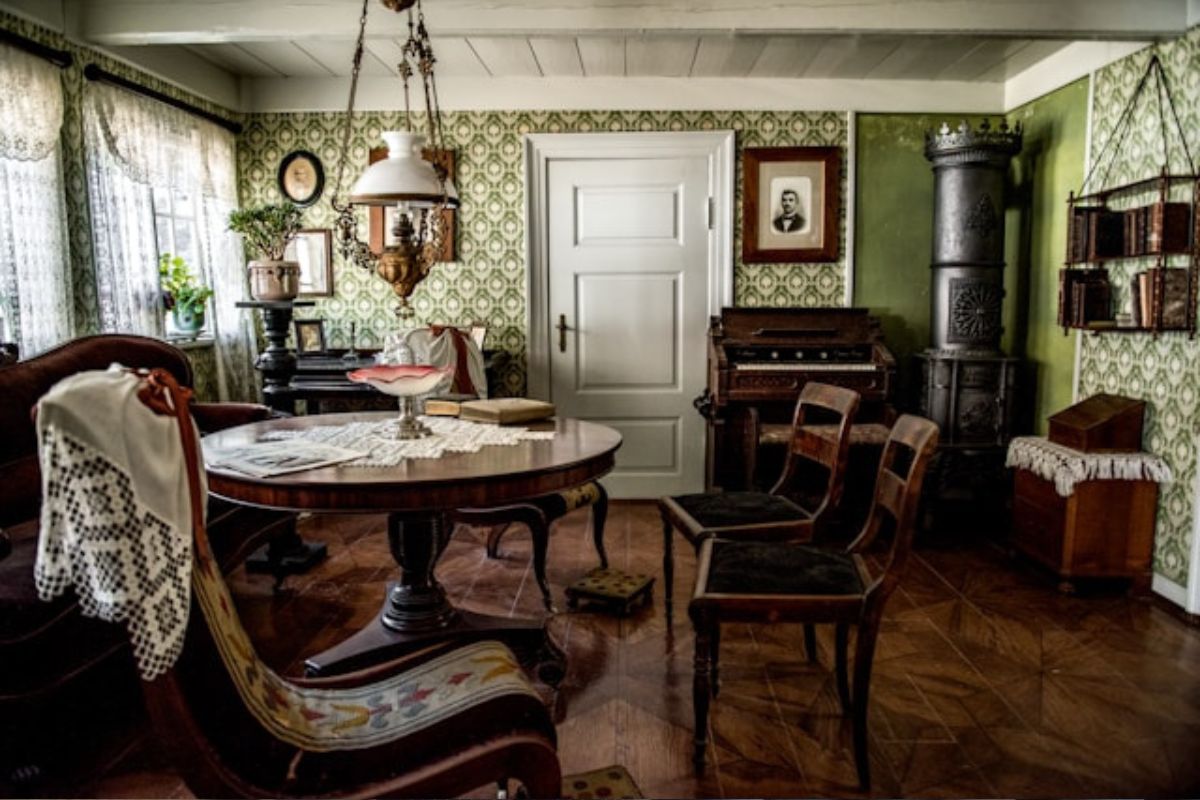
You notice the character when you first walk into an older house. Vintage homes catch attention because real materials show, and because the layout tells a story.
Still, buyers compete for that feeling, even in a market full of new builds that reflect the lifestyle of therich and famous.
In real estate talk, “vintage” means more than “old.” The word points to a home that keeps original lines, original finishes, or a clear era vibe.
Buyers should ask what is original and what is a later update, because that split affects value. For example, a 1930s kitchen with a 2010 remodel is still a 1930s house, but it will live and price differently.
Decades That Shaped What People Wanted at Home
First, the 1920s and 1930s leaned on masonry, heavy framing, and plaster over lath. Built-ins were popular, along with picture rails, beams, and sunrooms. Hardwood floors were common, and doors felt thick, because wood was plentiful and because labor was skilled. Front porches mattered too, because neighbors talked outside, and because summer heat pushed people outdoors.
Next, the 1940s and 1950s pushed efficiency after the war, and during the housing boom. Ranch homes spread, with low roofs, facades, and attached garages.
Kitchens grew brighter, with easier-clean surfaces, and with appliances that sat on proud display. Closets grew as well because consumer goods grew, and storage mattered. Fireplaces stayed popular because they signaled comfort, and they anchored living rooms.
Later, the 1960s and 1970s shifted focus to shared space. Family rooms gained size, and patios became a selling point for casual living.
Split-level plans rose too, because they fit slopes, and because they separated sleep from noise. In contrast, some neighborhoods kept tighter plans, with smaller rooms, and with den spaces instead of open great rooms.
Finishes often included paneling, stone veneer, and bold carpet, plus larger windows for more daylight.
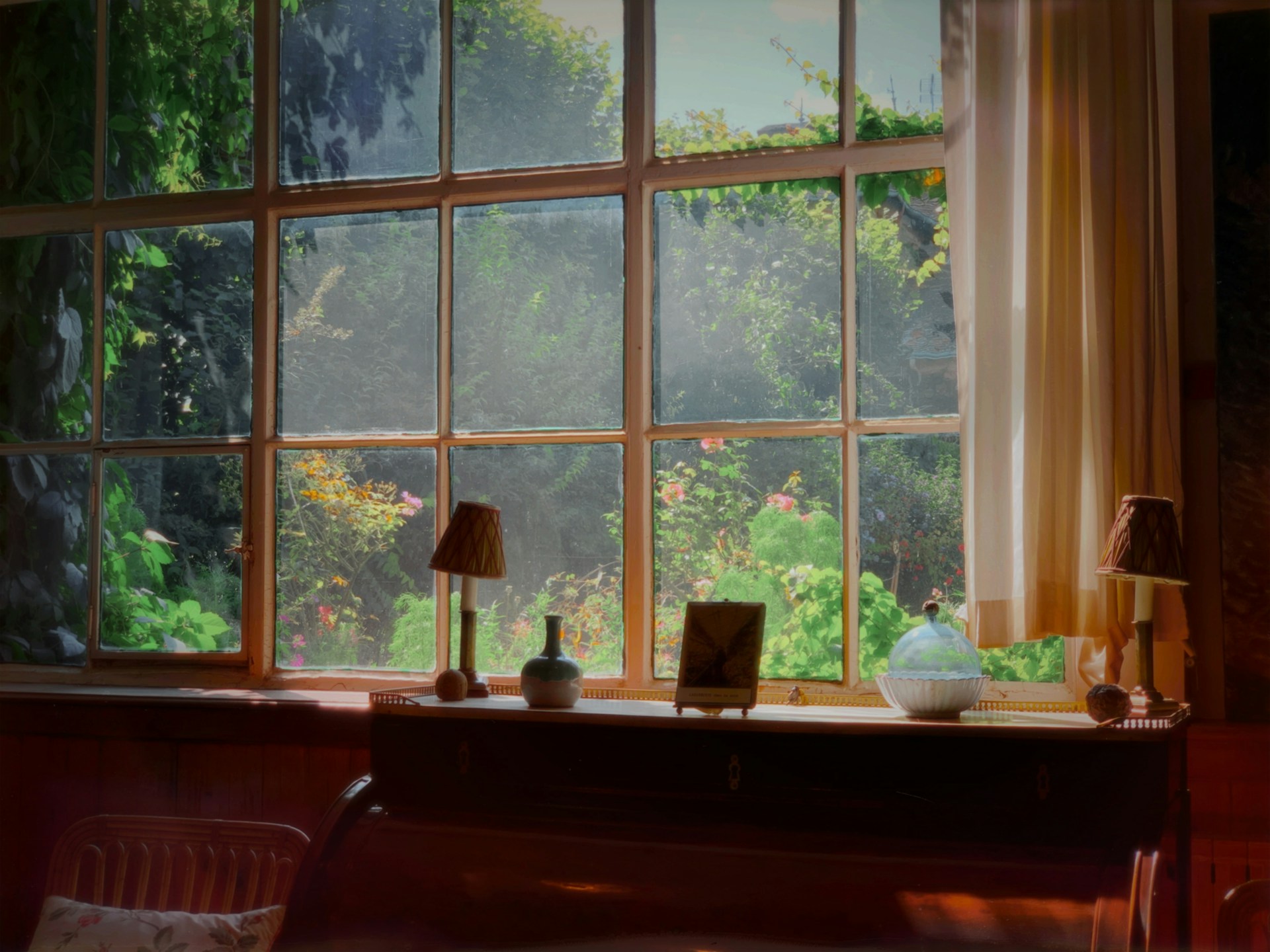
Today, the 1990s sit on the edge of “vintage,” yet the decade explains modern expectations.
Open kitchens, bigger primary suites, and vinyl windows became common, with more standardized parts and with faster builds.
Even so, many buyers now miss craft touches, such as deeper trim, real wood doors, and textured brickwork.
The 1980s Factor, Bold Interiors and Distinct Exteriors
However, the 1980s are easy to spot, and that is why the decade divides buyers. Interiors loved shine and contrast, with brass lights, mirrored walls, and glass blocks near baths or entry halls.
First, bathrooms went playful, with pastel tile, angular sinks, and large vanities. Next, living rooms sometimes dipped into sunken pits, while formal dining rooms returned for hosting. Entertainment zones grew because big TVs arrived, and families gathered around them.
Outside, exterior trends that defined the 80s leaned dramatic, much like the bold fashion trends of the time, which favored bright colors and oversized silhouettes.
Rooflines went steep, windows went arched, and garages grew dominant at the front. Builders mixed materials, such as brick with siding, to add texture and depth.
Decks expanded, so outdoor dining became part of the plan. A smart update keeps the bold shapes, yet softens dated parts, with calmer paint, better lighting, and cleaner hardware.
How Construction Methods and Materials Create “That Feel”
In general, materials set the mood before decor does. Plaster walls add weight, so they can mute sound, and they can feel smooth under paint.
In contrast, drywall is lighter, so it installs fast, and it has become the norm as builders chase speed. Solid wood trim and old-growth studs can hold nails well, and they can resist twists.
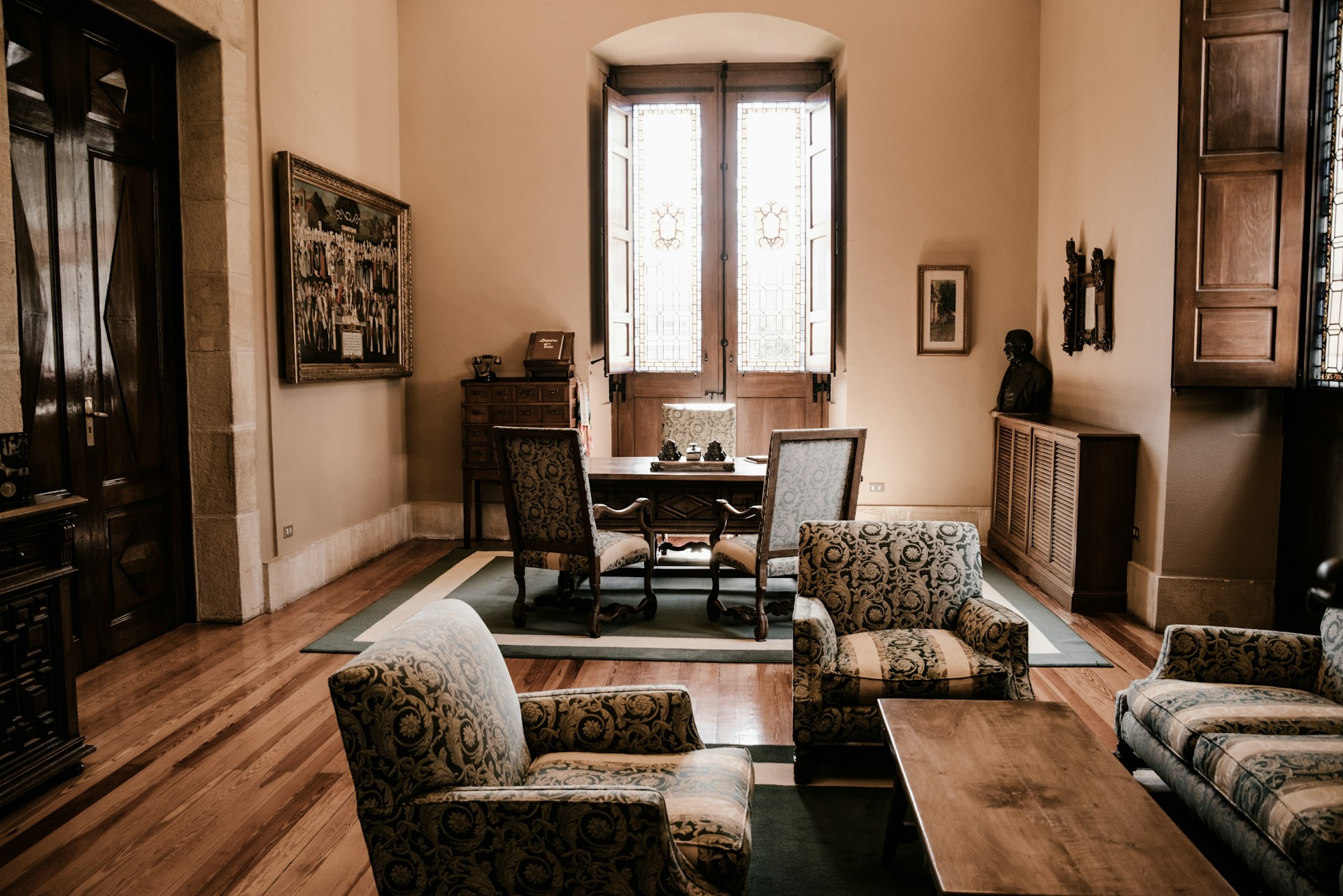
You may also see thicker subfloors and tighter stairs, because parts were cut on site, not snapped into place. Systems matter as much as surfaces.
Old wiring may lack capacity for today’s loads, and old pipes may corrode or narrow. Insulation can lag, especially in attics and in rim joists.
Many vintage homes still win trust when the structure stays sound, and when moisture stays controlled, because those traits are hard to fake.
Why Vintage Listings Stand Out in Photos and Showings
Today, listings win attention through contrast. A newer build can look perfect, and still look similar to the next one. Original stair rails, tall baseboards, and real wood doors read as unique, even in small photos.
Street character helps too, because older areas often have mature trees, sidewalks, and stable lot sizes.
Still, marketing needs clarity. Strong listing notes name the era, point to real upgrades, and explain what remains original. Buyers respond well when they can picture the work, and when the scope feels knowable.
Renovation Reality: What Buyers Expect to Be Updated
However, charm should never replace inspection. Start with the roof, the foundation, the electrical panel, and the heating system.
Next, check for moisture around basements, tubs, and window frames, because water does the fastest harm.
Look at the drainage outside, because gutters and grading protect everything below. Plan for lead paint and asbestos checks, because older materials can be present.
Keep the soul where you can. Refinish floors, repair windows when practical, and save doors and hardware that still function.
In kitchens and baths, aim for better flow, not a total erase, because scale and proportion create the period feel. With that approach, vintage homes can work for modern routines, while they keep their identity.
Value Drivers, Appraisals, and Red Flags
In general, location sets the base price, but condition sets the spread. Buyers pay more for permits, records, and honest repairs that match the era.
Appraisers like clean comps, so a well-documented update can reduce doubt. In mixed neighborhoods, vintage homes often need stronger listing notes because uniqueness can confuse the comp set.
On the other hand, a custom home that keeps key details can stand out and pull offers from people who want something rare.
Red flags are generally simple, and they are costly. For example, unpermitted wiring, active leaks, foundation movement, and mold can end deals fast.
Flips can fail, too, when they strip detail and replace it with generic parts. The best outcomes keep character, then upgrade safety and comfort.
The Bottom Line
In the end, vintage appeal isn’t one thing — it’s many small choices that add up. You can learn the decade, read the build method, and budget for key fixes, before you fall in love.
If you respect craft and you upgrade the essentials, vintage homes can stand out, and still feel easy to live in.
Main kw: vintage homes
Meta description: Vintage homes stand out through era details, solid materials, and smart updates. Learn what to keep, what to fix, and what buyers value.
